
Matcha



What is matcha: history, properties, types and selection
Matcha is not just green tea, but a real elixir of energy and health with a centuries-old history. Created on the basis of Japanese traditions, this bright green powder turns into a velvety drink with an umami taste and delicate aroma. Grown in the shade and processed with care, matcha green tea retains a maximum of antioxidants, vitamins and amino acids.
Matcha is made from the leaves of the tea bush Camellia sinensis – the same plant that gives rise to all real teas. However, the special technology of shading and grinding makes matcha a unique product even among elite green teas.
Perfect for a morning ritual, latte or healthy dessert – it gives peace, focus and inspiration every day.
The history of green matcha begins in China, back in the Tang Dynasty, when tea leaves began to be dried, ground into powder and diluted with hot water. In the 12th century, the Buddhist monk Eisai brought this tradition to Japan, where it was not only preserved, but also further developed. It was in Japan that the process of growing and processing matcha tea was perfected to a high level: special technology, attention to the quality of raw materials and benefits made matcha green tea an integral part of Japanese tea culture.
Although the origin of powdered tea originates in China, it was Japan that brought matcha tea to a new level of quality and consumption culture. Real Japanese matcha is made from tencha tea leaves grown in partial shade. This technology allows you to preserve the bright green color, rich taste and high content of L-theanine – an amino acid that promotes concentration and internal balance.
Chinese matcha is also available on the market, it is often made from less carefully processed raw materials, which affects its taste and visual characteristics.
Matcha is unique among other green teas because it is consumed not as an infusion, but together with tea leaf powder. Unlike senchi (classic Japanese green tea) or gyokuro (premium shaded tea in leaves), matcha is consumed whole, not infused, which allows you to get the full range of nutrients from the tea leaves. This allows the body to get dozens of times more nutrients — including antioxidants, amino acids and vitamins. Its bright green color, deep flavor and soft texture make matcha unique even among premium green tea varieties.
Growing matcha green tea requires a special approach. 3–4 weeks before the leaves are harvested, the tea bushes are shaded with special canopies or coatings that filter sunlight.
Shading blocks 70–90% of sunlight 20–30 days before harvest. This forces the plant to produce more chlorophyll (hence the rich green color) and L-theanine, an amino acid that creates the characteristic umami taste, the fifth basic taste along with sweet, sour, bitter and salty. It is the balance of L-theanine and natural caffeine that provides the same “calm focus” for which matcha is valued. The main methods of shading are: lace or bamboo canopies, fabric coverings and even artificial trees or bushes. This helps to increase chlorophyll and L-theanine. After harvesting, the leaves are steamed, dried and turned into tencha – the basis for future matcha. Tencha is ground in granite millstones to a powder state.
Types of matcha and their features
Matcha comes in several grades:
Ceremonial Grade – the highest quality tea from the most tender leaves of the first harvest (first flysh). Designed for traditional use in its pure form without the addition of milk or sweeteners.
Premium Grade – made from second-harvest leaves, has a more pronounced herbal taste. Suitable for everyday tea drinking and making matcha lattes.
Culinary Grade – for desserts, pastries, smoothies and other drinks where matcha is mixed with other ingredients.
Japanese matcha has a rich green color, a mild herbal taste and a delicate texture. It is produced in the prefectures of Uji, Kagoshima and Aichi, whose climate and soil are ideal for growing tea.
Green tea is also produced in powder form in China, but often a low-quality product is sold under the name “matcha”. It should also be noted that there are colored “matchas” — for example, from blue spirulina or beets — which have nothing to do with real tea.
In Ukraine, you can buy ceremonial matcha from Japanese brands Uji Matcha, Ippodo, as well as local importers of premium tea.
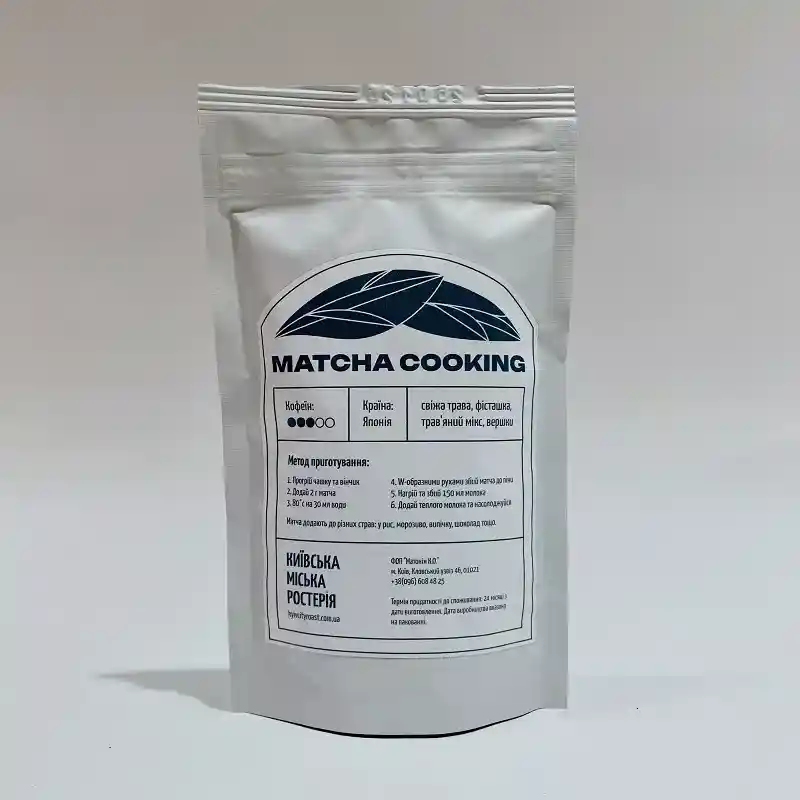
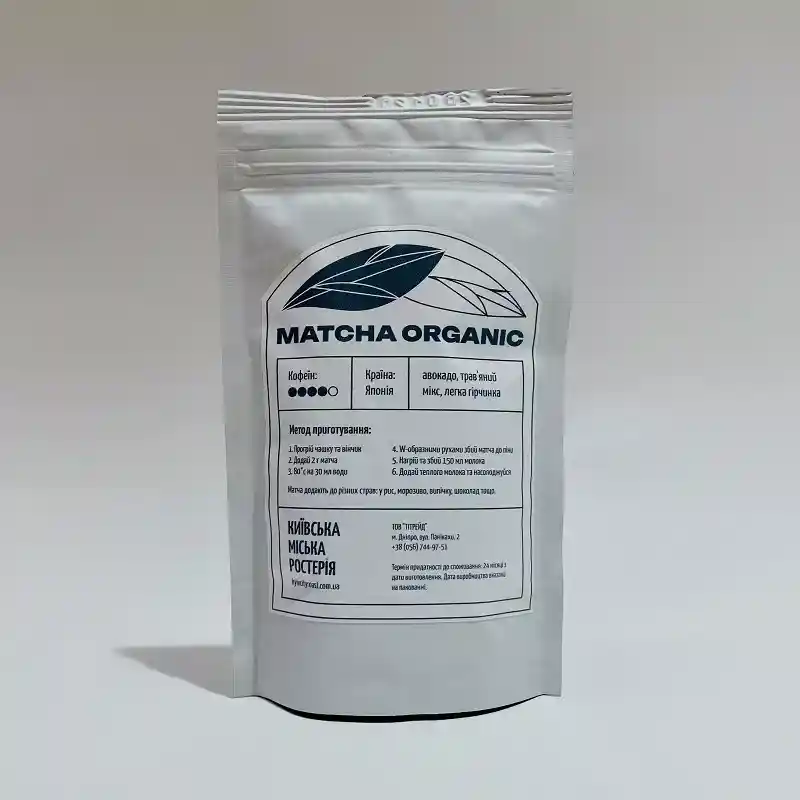
Products from “Kyiv City Roastery” are gaining particular popularity, specializing in high-quality drinks and offering several types of matcha: organic matcha of the highest grades and culinary.
Useful properties and contraindications
Matcha contains a high concentration of catechins, in particular EGCG, which have powerful antioxidant, anti-cancer and anti-inflammatory properties. According to the ORAC (Oxygen Radical Absorbance Capacity) scale, which measures antioxidant activity, matcha has one of the highest indicators among foods – up to 1300 units per gram, which is many times higher than blueberries or pomegranates. These components help fight free radicals, reduce the risk of cardiovascular diseases and support skin health. It is also rich in chlorophyll, which helps detoxify the body and improve digestion.
Green matcha contains amino acids, such as L-theanine, which has a calming effect, helps reduce stress and anxiety, improves concentration and mood. In addition, matcha contains important vitamins, in particular A, C, E, K, as well as minerals that are necessary for the normal functioning of the body.
Matcha contains a moderate amount of caffeine (60-80 mg per cup), which provides energy, which, thanks to the combination with L-theanine, comes gradually, without sharp jumps. Unlike coffee, where caffeine acts quickly and sharply, in matcha it is released gradually due to the interaction with L-theanine. This synergistic effect provides a state of “calm alertness” for 4-6 hours without hand tremors and the subsequent decline in energy. It helps maintain focus and energy throughout the day.
However, it is not recommended to use matcha for people with hypertension, liver disease or increased sensitivity to caffeine. It is advisable to limit consumption to 1-2 cups per day to obtain all the beneficial properties without overloading the body.
How to choose quality matcha tea
Real matcha has a bright emerald color, a sweet herbal aroma, and a fine velvety powder. Japanese matcha from Uji, Nishio and Shizuoka prefectures is considered the benchmark of quality. Uji is the oldest and most prestigious matcha producing region with an 800-year history. The climate, soil and traditions of this region create ideal conditions for growing the highest quality tea. Bitterness and a yellowish tint are signs of low-quality tea.
For everyday tea drinking and milkshakes, it is best to buy premium grade matcha.
Ceremonial grade is used during traditional Japanese tea ceremonies, where each stage of tea preparation and consumption has its own deep meaning.
For baking, there is culinary tea.
For smoothies, you can use both premium and culinary versions.
To distinguish quality matcha from a fake, pay attention to the country of origin (Japan), color, aroma and texture. Check quality certificates and customer reviews.
Experts from the Kyiv City Roastery advise buying matcha tea in airtight packages protected from light and air. When preparing the drink, evaluate how evenly the powder mixes with water. A thick, dense foam should form in the process.
Proper storage of matcha tea
Matcha is very sensitive to light, heat and moisture. It should be stored in a tightly closed container, in a cool, dark place (ideally in the refrigerator).
It is best to use the tea within 2–3 months after opening, although a closed package retains its properties for up to a year.
The most common mistakes are storing it at room temperature, in a bright place or in humid conditions, which leads to loss of aroma, color and taste.
Methods of brewing and consuming matcha
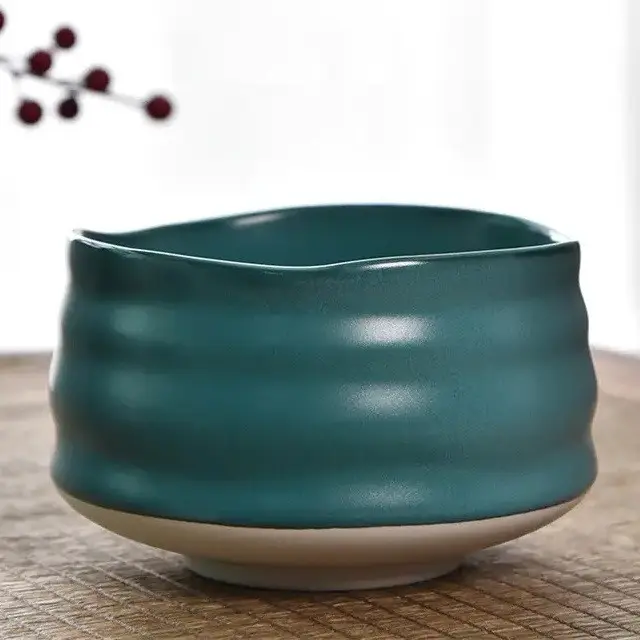
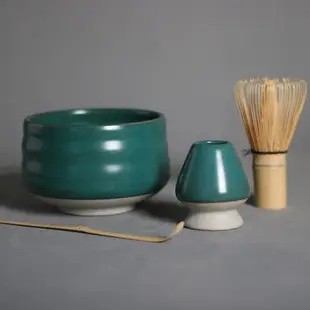
The Japanese matcha tea ceremony is not only a traditional ritual, but also a path to inner peace and harmony. The traditional Japanese way of making tea begins with the selection of special utensils: chawan (bowl), chiyaku (bamboo spoon) and tsasen (bamboo whisk). 1–2 g of matcha, which corresponds to approximately ½ teaspoon, is poured into the bowl. Then 60–70 ml of water with a temperature of about 80°C is added. The water temperature of 70-80°C is critical: boiling water destroys the delicate amino acids and makes the drink bitter, depriving it of its characteristic umami taste and silky texture. It is important to properly whisk the tea with a whisk, as if drawing the letter “M” to form a thick foam. This process calms, creates an atmosphere of harmony, and is therefore an important part of the tea ceremony. You can prepare usutya – light tea, or koitya – thicker, using twice as much powder. A matcha tea ceremony is not only a pleasure from taste, but also a deep immersion in Japanese culture and spirituality.
Nowadays, matcha is actively used not only for tea drinking, but also in cooking, food art, and bar art. Modern methods include the use of mixers, French presses, milk frothers, or simply spoons for whisking in a mug.
Necessary equipment for making classic matcha green tea:
Chawan – a deep ceramic bowl.
Tyasen – a bamboo whisk for whisking.
Chiyaku – a measuring spoon.
Sieve – for sifting the powder to avoid lumps.
Modern methods allow the use of a blender, an electric frother or even a jar with a lid to simply shake the tea with water.
For traditional matcha (usucha), 1–2 g of powder and 70 ml of hot water (not higher than 80°C) are used, whisking with a bamboo whisk until foamy.
For a matcha latte, the powder is first dissolved in a small amount of hot water, then warm milk (cow’s or plant-based) is added.
In cold drinks, matcha is first dissolved in a warm water solution, then cooled or ice is added.
It is important to remember the water temperature – no more than 80°C to avoid bitterness.
Recipes with matcha tea
Matcha tea is a versatile ingredient that adds bright flavor, color and benefits to desserts and drinks.
Here are some popular matcha recipes that are easy to prepare at home:
Matcha latte:
Mix 1 tsp. matcha powder with 2–3 tbsp. hot water (not boiling water), stir thoroughly with a whisk or spoon until smooth. Add 200 ml of warm milk (cow’s or plant-based) and, if desired, a sweetener (honey, syrup, sugar). Latte can be served hot or with ice.
Matcha smoothie:
In a blender, mix 1 tsp. matcha, 1 banana, 100 ml of plant-based milk, a handful of spinach and a few ice cubes. Add a little honey or maple syrup if desired. Beat until smooth.
Matcha cookies:
Beat 100 g butter with 70 g sugar, add 1 egg, 1 tsp. vanillin, 1 tsp. matcha, 150 g flour and 0.5 tsp. baking powder. Knead the dough, shape the cookies, bake at 180°C for 10-12 minutes.
Matcha cheesecake without baking:
Mix 200 g of cookies with 100 g of melted butter – this is the base. Beat 300 g of cream cheese, 200 ml of cream, 2 tbsp. sugar and 1-2 tsp. matcha. Place on the base, cool for a few hours.
Matcha pancakes:
Add 1 tsp. of matcha to the batter – your pancakes will have a delicate green color and an interesting aroma.
Matcha ice cream:
Mix matcha with cream, condensed milk and chill. Perfect for summer!
In the bar industry, matcha is added to martinis or gin and tonics for a bright color and aroma.
Where to buy matcha tea in Ukraine
Kyiv City Roastery specializes in premium drinks and, among others, offers fresh, high-quality certified Japanese matcha. In addition to tea, you can buy professional brewing equipment and get expert advice.
Various brands are represented on the Ukrainian market. Tea of Chinese and Japanese origin. It can be purchased both in supermarkets and in online stores and specialized outlets.
Always choose matcha tea from trusted manufacturers and suppliers to enjoy the true taste and benefits of this drink, for example: Ippodo Seiun Ceremonial, Kyoto Dew Premium, Matcha Organic Kyoto Style, Uji Matcha Gold.
Among Ukrainian suppliers, pay attention to Kyiv City Roastery. Always high quality for a reasonable price.
Information for buyers
The ceremonial class of tea is expectedly the most expensive, 30 g of such powder costs from 700 to 1500 UAH.
The premium class is more affordable – from 400 to 700 UAH.
Culinary class – from 150 to 400 UAH.
The cost depends on the class, quality of raw materials, origin, brand and method of packaging.
Most stores offer delivery by Nova Poshta or Ukrposhta. Some brands have their own courier delivery.
Kyiv City Roastery offers fast delivery in Kyiv, free of charge if the purchase is for a minimum amount of 800 UAH. You also have a quality guarantee and the possibility of returning or exchanging if you are not satisfied with the quality of the product. Registration on the website is convenient and fast. And the manager-consultants are friendly and professional.
Every month, new positions appear on the market – both traditional and with flavors of vanilla, mint, coconut.
Different color options are offered. It is worth being careful here, since multi-colored matches often have nothing to do with tea leaves. They can be made from fruits and vegetables.
Consumers are interested in:
Can children have matcha?
In small doses – yes, preferably culinary grade.
Is there a matcha without caffeine?
No, there is no matcha that is completely caffeine-free.
How long can open matcha be stored?
On average, 3 months in the refrigerator.
Matcha in the modern world
Matcha is actively used as a healthy food product, used in fitness, vegan recipes. It is added to cereals, gel capsules, energy bars. This is a source of energy without caffeine “swings”, which is ideal for those who monitor their well-being. It is combined with meditation, yoga and mindful-lifestyle.
Matcha tea is also widely used in cooking and cosmetology. The tea is included in face masks, scrubs and anti-aging cosmetics due to its antioxidant properties.
Matcha – the energy of nature in a cup: a charge of vigor, beauty and inspiration every day!