What is crema, and why does it appear on coffee?
Foam on the surface of an espresso It’s the first thing that catches your eye when you’re served a cup of aromatic coffee. It’s a thin, golden-brown layer that forms during the espresso brewing process, when hot water is forced under pressure through the coffee puck. It is formed from carbon dioxide and coffee oils.
The appearance of the crema is influenced by the freshness of the beans, the grind, the water temperature, consistent pressure, and the coffee machine settings. However, it is not the only indicator of quality. The overall impression of the drink is determined by its aroma, flavor balance, and aftertaste.
Cream Formation
When making espresso, water at a temperature of 92–96 °C is forced through a compacted layer of ground coffee at a pressure of about 9 bar, dissolving aromatic and flavor compounds and releasing carbon dioxide, which forms tiny bubbles under pressure. Combined with the emulsion of coffee oils, these bubbles form the characteristic foam on the surface.
The combination of high pressure, proper grind, and a consistent pour rate ensures consistent extraction. Together with a high-quality portafilter and a steady pour, this guarantees a perfect crema and a well-balanced flavor.
Key Factors Affecting the Quality of the Cream
The Freshness of Roasted Coffee Beans
Freshly roasted beans contain a significant amount of carbon dioxide, which is gradually lost during storage. It is this carbon dioxide that plays a role in the formation of the crema during extraction. The best results for espresso are usually achieved with beans that have been allowed to rest for 5–30 days after roasting. If the coffee is too fresh, excess CO₂ can interfere with even extraction. Stale beans produce an unstable and thin crema. It is equally important to store the beans properly, as exposure to air accelerates the loss of carbon dioxide and the oxidation of coffee oils.
Method of Processing Coffee Beans
During the washed process, the pulp is completely removed from the berries, so the beans have a cleaner flavor profile and a light creaminess.
The natural processing method involves drying the berries along with their pulp, which allows the seeds to accumulate more sugars and lipids, making the cream thicker and more stable.
The Honey processing method involves drying the beans after partially removing the pulp. This process ensures a clean flavor and a rich texture in the espresso.
However, the freshness of the beans and proper extraction remain far more important than the processing methods.
Type and variety of coffee beans
Robusta typically produces a thick, stable crema, while Arabica forms a thinner layer of foam but has a rich flavor profile. High-quality single-origin Arabica is prized for its balance of sweetness, acidity, and aromatic notes.
Espresso blends typically contain a small percentage of Robusta to ensure a good crema texture and richness.
The origin of the beans and the terroir are also important, as they determine the chemical composition of the coffee, which affects not only the taste of the espresso but also the color, body, and stability of the crema.
Extraction Level and Quality
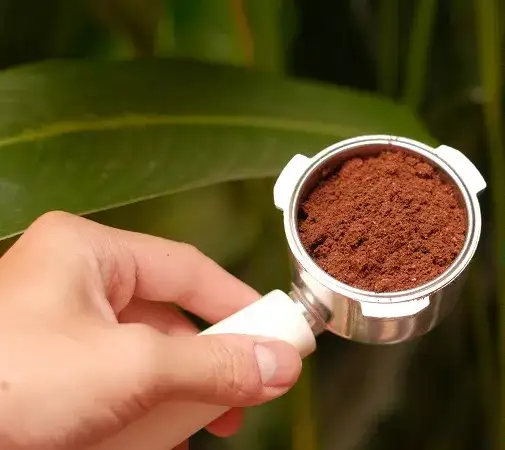
The following factors affect the consistency of the extraction: the correct amount of coffee, a consistent tamping pressure, and the grind setting.
For a classic espresso, a brew time of 25–30 seconds is considered optimal.
A grind that is too coarse or poor brewing technique can lead to under-extraction and virtually no crema. A grind that is too fine or a brew time that is too long leads to over-extraction: the bitter and astringent taste of the coffee is accompanied by a dark crema.
How to Read a Cream
Ideally, the cream should be uniform, fine-pored, and golden-brown in color, and should hold its shape for several minutes.
If the crema is too light, it often indicates that the water passed through the coffee puck too quickly and did not have enough time to fully dissolve the flavor compounds. A very dark crema may be a sign of over-extraction. Sometimes an espresso is topped with a tiger-striped crema. This is considered a sign of even extraction.
The stability of the cream is also an important indicator. If it disappears quickly, this may indicate that the grain is stale or that mistakes were made during plowing.
How do guests perceive the cream at a coffee shop?
For most guests, the crema is the first visual indicator of an espresso’s quality. That’s why baristas pay attention not only to the taste but also to the appearance of the espresso.
In Italy, crema is traditionally considered an essential characteristic of a classic espresso, whereas in the specialty coffee segment, much more attention is paid to the balance of flavor, sweetness, and the clarity of the cup. Therefore, an espresso with a thin layer of crema can also be considered high-quality if it fully reveals the flavor potential of the beans.
Do you need to stir or skim off the cream?
Followers of the Italian tradition often stir the drink a few times with a spoon to evenly mix the crema with the rest of the drink for a balanced flavor, since bitter compounds can accumulate on the surface.
At the same time, in specialty coffee shops, espresso is often tasted without stirring, to assess how the flavor changes from the first sip to the last. This approach allows you to better appreciate the nuances of the extraction and the evolution of the flavor profile.
It’s worth trying both methods and choosing the one that best suits your personal taste.
Practical Tips for Baristas
A consistent crema starts with the right settings. Use 18–20 g of coffee for a double espresso. If the water flow is too fast or too slow, adjust the grind. Calibrate the grinder throughout the day, as changes in humidity and temperature affect extraction.
For even extraction, distribute the coffee evenly in the portafilter and tamp it evenly. Regularly clean the group head and basket of coffee oils, which can affect the flavor and foam. The optimal water temperature is 92–96 °C.
Consistent parameters ensure a predictable result.

Why a thick crema doesn’t always mean a delicious espresso
The formation of a thick and consistent crema is influenced by the coffee variety, roast level, freshness of the beans, and extraction parameters; therefore, the drink’s appearance cannot be the sole criterion for evaluation.
For example, brewing Robusta produces more crema, but that doesn’t mean its flavor profile will be more interesting than that of Arabica. High-quality specialty Arabica may have a thinner layer of crema, but it stands out for its bright acidity, natural sweetness, and multifaceted aroma.
That is why professional baristas evaluate espresso holistically. They pay attention not only to the crema, but also to the aroma, the balance of sweetness, acidity, and bitterness, the purity of flavor, and the length of the aftertaste. Ultimately, it is these characteristics that determine the quality of the drink, while the crema is just one indicator of proper extraction.