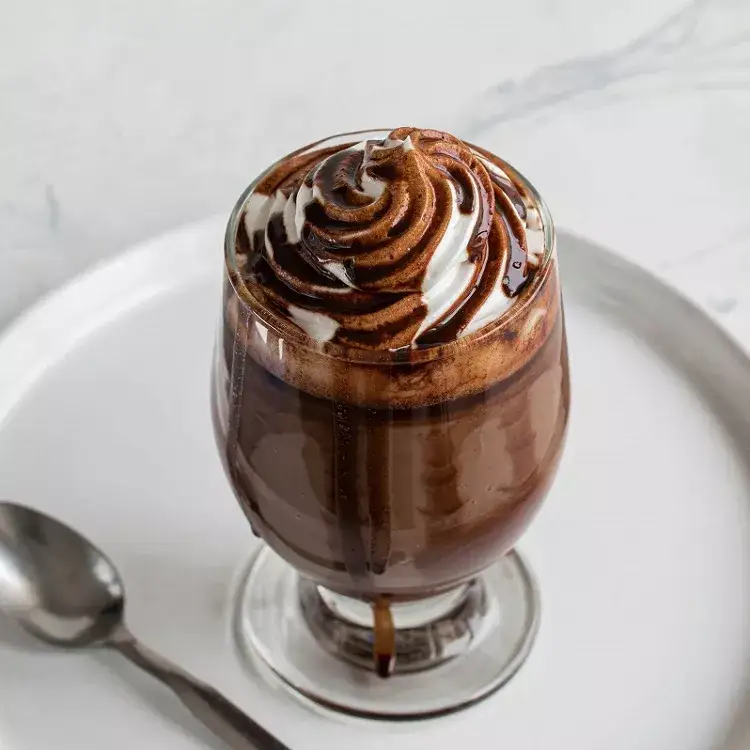
Nitro Coffee: A Trendy Drink in Coffee Culture
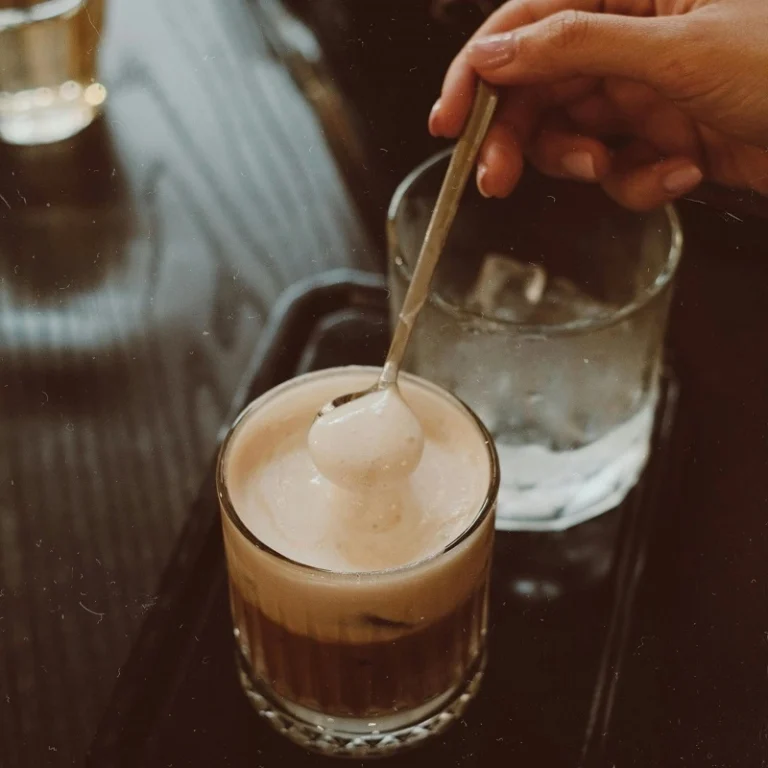
Over the past few years, nitro coffee has evolved from a barista’s experiment into one of the trends in modern coffee culture. Cold coffee infused with nitrogen is most often made using cold brew and then dispensed through a special tap. It is the nitrogen that creates the characteristic cascading effect: tiny bubbles gently sink downward, forming a thick, creamy head on top of the coffee.
Nitro coffee has a milder flavor than regular iced coffee. It has a velvety texture, natural sweetness, and almost no bitterness. For this reason, nitro coffee is often enjoyed without sugar or milk.
The Origins and Development of Nitro Coffee Around the World
It is believed that nitro coffee first appeared in the United States in the early 2010s. Independent coffee shops in Portland and Austin were among the first to start serving cold brew coffee through beer tap systems.
Customers were intrigued because the nitro coffee looked unusual.
After that, large coffee chains picked up on the trend, and nitro coffee eventually spread throughout Europe, Asia, and Australia. Today, nitro coffee can be found both in specialty coffee shops and in ready-to-drink form.

The Process of Making Nitro Coffee
Cold brew (cold-brewed coffee) is filtered, cooled, and poured into a keg system, where it is pressurized with nitrogen. This gives the beverage a creamy texture, a thick head, and a distinctive cascading effect when poured.
Cold extraction reduces the content of bitter compounds and acids, so nitro coffee has a milder, sweeter, and more balanced flavor.
Equipment for preparing nitrogen-infused beverages
To make nitro coffee, you need special equipment:
- Keg system—a tank for storing cold brew.
- A nitrogen cylinder is a source of gas.
- Pressure regulator—controls the nitrogen flow.
- Dispensing tap—a special nitrogen tap that creates a distinctive creamy foam.
- Refrigeration system – nitro coffee is served chilled to 3–6°C.
However, there are compact nitro coffee machines and siphon coffee makers with nitrogen capsules designed for home use.
Step-by-Step Recipe for Nitro Coffee
Ingredients for preparation
- 100 g of medium- or coarse-ground coffee.
- 1 liter of cold, filtered water.
- Nitrogen for saturation.
Preparation
- Mix the coffee with water in a 1:10 ratio. Let it steep for 12–18 hours in the refrigerator or at room temperature to make cold brew coffee.
- Strain the finished drink through a paper or metal filter to remove all sediment.
- Cool the coffee to 4°C.
- Pour the beverage into a keg or siphon, connect the nitrogen line, and set the pressure to 30–40 bar. Let it sit for 30–60 minutes.
- Pour the coffee through the nitrogen tap into a tall glass without ice. This is the best way to bring out the cascading effect and creamy texture.
A Comparison of Nitro Coffee and Cold Brew
| Characteristics | Nitro Coffee | Cold brew coffee |
|---|---|---|
| Basics | Cold infusion + nitrogen | Cold infusion |
| Texture. | Creamy, velvety | Light, liquid |
| Foam | A thick, creamy cap | None |
| Taste. | Soft, sweet | A more pronounced coffee profile |
| Serving | No ice | With or without ice |
| Shelf life | 2–5 days after saturation | 7-10 days |
Flavor Characteristics and Organoleptic Properties of Nitro Coffee
The taste of nitro coffee depends largely on the beans and the cold brew recipe, but nitrogen significantly affects how the drink is perceived. Thanks to the tiny bubbles, the texture becomes creamy and velvety without milk or cream. Nitro coffee is less acidic and bitter than hot coffee, which brings out its natural sweetness. Chilled nitro coffee is perfect for sipping slowly on a hot day.
Caffeine Content in Nitro Coffee
The caffeine concentration is influenced by the coffee bean variety, the grind size, the steeping time, and the coffee-to-water ratio.
When comparing equal volumes of different beverages, nitro coffee typically has a caffeine content on par with or slightly higher than that of filter coffee, since it is made with concentrated cold brew as its base. Espresso has a higher concentration of caffeine per 100 ml, but because the serving size is small, the total amount of caffeine in the coffee is lower.

Types and Variations of Nitro Drinks
In addition to the classic nitro cold brew, coffee shops offer various variations:
- Nitro latte – with milk.
- Nitro-cascara is a nitrogen-infused coffee berry infusion.
- Seasonal versions with vanilla, caramel, or citrus syrup, spices, or toppings.
Texture affects how we perceive taste, which is why sweetness and aroma may seem more pronounced.
Why You Should Add Nitro Coffee to Your Menu
Nitro coffee is:
- an eye-catching presentation that draws customers’ attention
- the establishment’s modern image
- higher-than-average check
In addition, this drink is a great alternative to the usual cold drinks and desserts in the summer.
Helpful Tips for the Perfect Nitro Coffee
Choose coarsely ground beans with a medium roast. The brew will be mild, with more pronounced chocolate and caramel notes.
Cold nitro coffee retains its carbonation and flavor better, so store it at a temperature of 3–6°C.
The optimal pressure range is 30–40 bar: lower pressure will result in weak foam, while higher pressure will result in excess gas.
Serve coffee without ice. Ice ruins the creamy texture and flavor of the drink.