Why a signature menu is important for a coffee shop
By nature, people crave novelty: new flavor combinations and unique offerings available only at a particular establishment. That is why a signature menu has become not just a way to diversify the selection, but a tool that helps a coffee shop stand out from the competition.
Unique cocktails help establish the establishment’s reputation and encourage guests to return for a delicious drink. Seasonal offerings add variety to the coffee menu and motivate customers to visit the establishment regularly to try new items.
An eye-catching presentation, an intriguing name for a signature drink, or an unusual combination of ingredients attract attention on social media, and photos and guest reviews serve as additional advertising.
Sources of inspiration for creating original recipes
A successful signature drink is the result of observing customers and experimenting. Customer requests, seasonal preferences, and even requests for a less sweet drink or one with a touch of tartness can inspire a barista to create a new recipe.
Visiting other coffee shops is an equally valuable source of ideas, as it helps you understand which combinations have already become trends and which still have potential. It’s important not to copy existing recipes, but to reinterpret them in line with your own establishment’s concept.
You can find inspiration at coffee festivals, barista championships, and trade shows, where modern brewing techniques, unusual ingredients, and the latest industry trends are showcased.
Another way to create an interesting drink is to work with seasonal ingredients. Berries, citrus fruits, pumpkin, spices, and herbs allow you to regularly update your menu and offer guests flavors associated with a particular season.
How to Develop Signature Drinks for a Coffee Shop: From Concept to Reality
Creating a signature drink starts with understanding what it should be like: cold or hot, based on espresso or cold brew, and so on. The preparation method, the selection of ingredients, and even the presentation all depend on this.
The base should blend harmoniously with the other ingredients. Too much syrup, spices, or fruit additives can make the drink too sweet and overwhelm the coffee flavors.
The name can reflect the main ingredient, the season, the establishment’s concept, or even the story behind its creation. The main thing is that it’s easy to remember and conveys the character of the drink.
Next, the barista prepares the drink several times, adjusting the proportions, temperature, and serving method until a consistent result is achieved. Only then can the signature recipe be considered ready to be presented to guests.
Flavoring ingredients and additives for signature drinks
When creating an original recipe, it’s important not only to find an interesting combination but also to maintain a balance between sweetness, acidity, bitterness, and aroma.
For sweetening, people use not only sugar but also honey, agave syrup, and other alternatives. It’s best to choose syrups with all-natural ingredients to ensure a pure flavor. Fruit purees, caramel, and chocolate are great additions to coffee.
Citrus zest, cinnamon, cardamom, vanilla, lavender, or rose petals can make a drink more distinctive when used in moderation. Too many flavorings can easily upset the balance and mask the coffee’s distinctive flavor.
Homemade syrups, purees, milk, cream, and other ingredients require appropriate storage conditions and a clearly defined shelf life to maintain the drink’s consistent flavor and ensure its safety.
Presentation and Garnishing of Signature Drinks
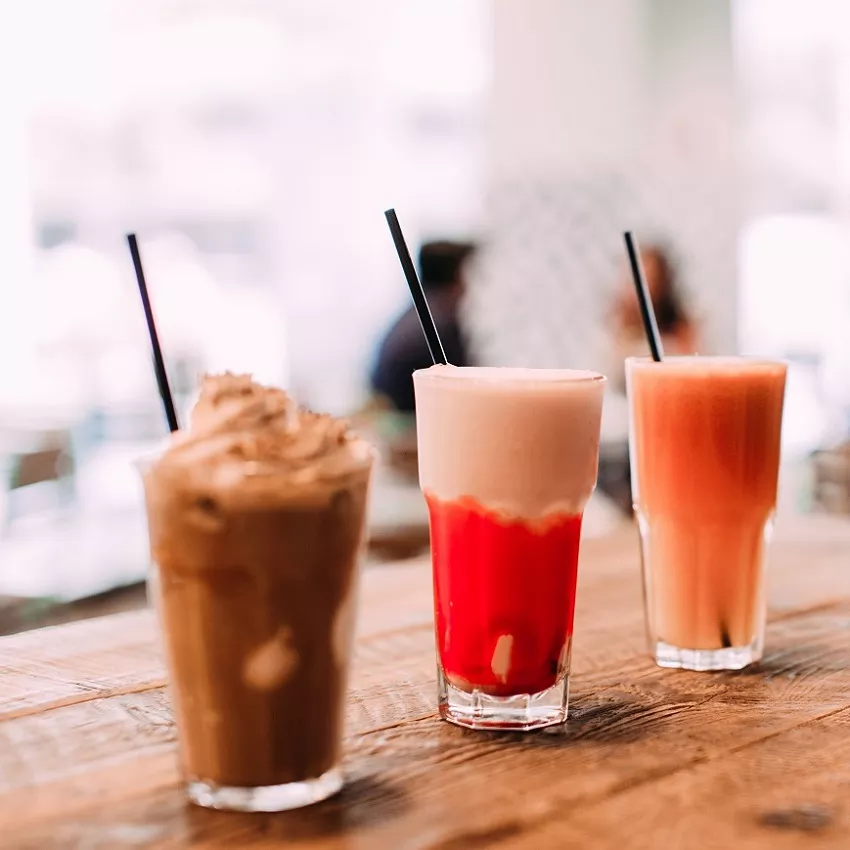
Presentation is just as important as the recipe. The right tableware highlights the establishment’s style and helps bring out the drink’s unique characteristics. Hot coffee cocktails are served in glass tumblers or ceramic mugs, while cold ones are served in tall, clear glasses to showcase the layers and texture.
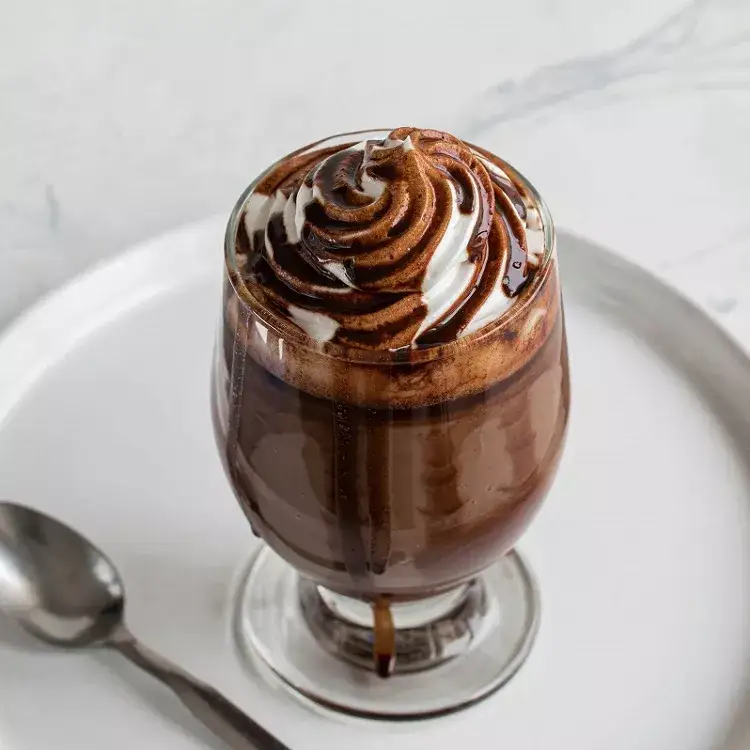
The garnish should complement the drink, not distract from it. Common garnishes include cocoa, grated chocolate, citrus zest, fresh berries, or sprigs of rosemary. It’s important that all garnishes be edible and harmonize with the flavor.
Performance Evaluation and Inclusion on the Coffee Menu
Test new items through seasonal promotions—it’s a safe way to pique your guests’ curiosity. Ask visitors for their feedback, monitor reactions on social media, and feel free to refine the recipe. If, within a few weeks, the drink becomes a bestseller, delivers great profitability, and is easy to prepare—go ahead and make it your establishment’s signature item.
Cost Calculation for Original Beverages
A successful signature drink combines an interesting concept, consistent quality, and cost-effectiveness.
When setting prices, they take into account not only the cost of coffee, milk, syrups, and other ingredients, but also the costs of decor, packaging, seasonal products, and potential losses.
The retail price should cover costs, generate a profit, and at the same time remain affordable for guests.
If a recipe takes too much time or requires a lot of prep work, it affects the barista’s speed and the coffee shop’s efficiency during peak hours.
Examples of Popular Signature Drinks
During the warmer months, cold coffee cocktails made with tonic water, citrus fruits, berry purée, or fruit syrups are popular. In the fall and winter, people tend to choose drinks with spices, pumpkin, caramel, and hints of chocolate and nuts.
Many Ukrainian coffee shops are focusing on local ingredients, adding honey, sea buckthorn, viburnum, lavender, herbal syrups, or seasonal berries to their signature drinks. This helps them create a distinctive flavor profile and support local producers.
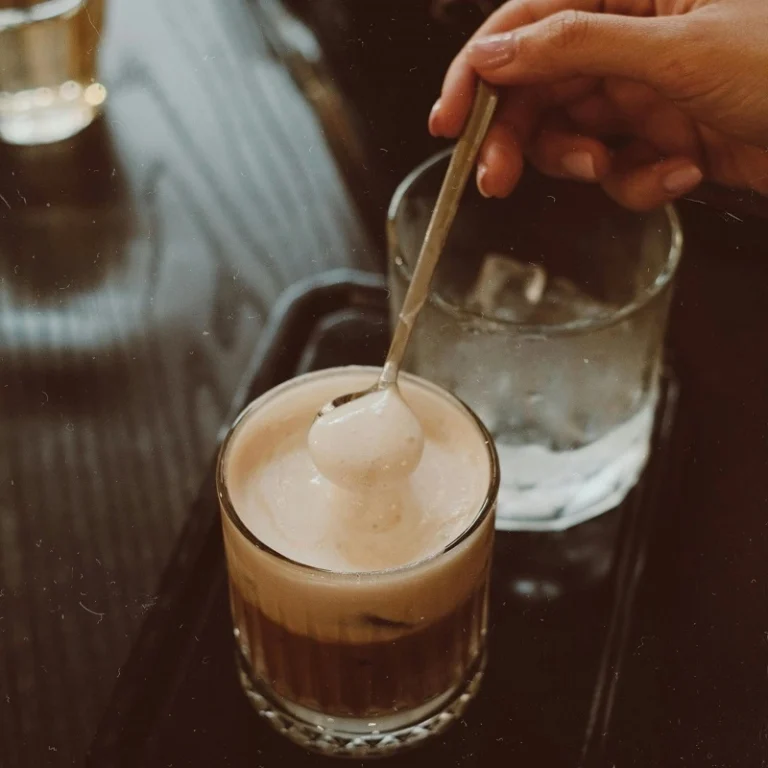
Others are following international trends. Drinks featuring matcha, yuzu, coconut water, non-alcoholic fermented beverages, and cold milk foam are appearing on the market.
Common Mistakes When Creating a Custom Menu
When creating a signature menu, it’s easy to go overboard in the pursuit of originality. Avoid overly complicated recipes with a bunch of ingredients that overpower each other’s flavors. Also, don’t forget about seasonality: fresh berries are expensive and don’t taste good in winter.
Never serve drinks without testing them first. Even a barista’s most ingenious idea should be tested on guests first.
And one last thing—pay attention to your establishment’s concept. The drink should perfectly match the style of your coffee shop and your customers’ expectations. The most successful signature menu is a combination of creativity, a well-thought-out approach, and an understanding of your audience.
Conclusion
A signature drink doesn’t have to be complicated. It’s much more important that it be well-balanced, easy to prepare, and in line with the establishment’s concept. It’s the combination of a creative approach, high-quality coffee, and attention to detail that helps create a signature menu that builds customer loyalty.