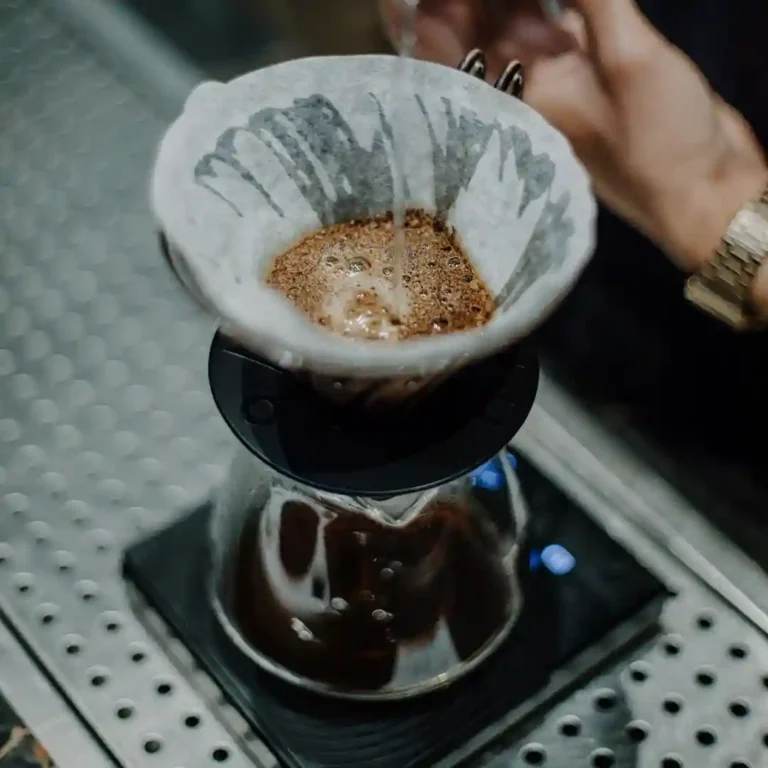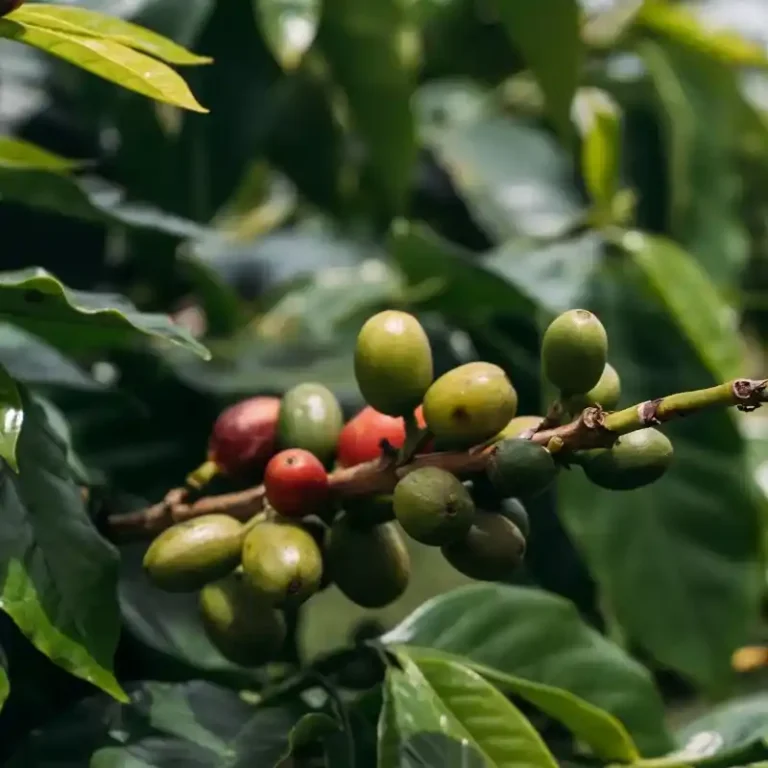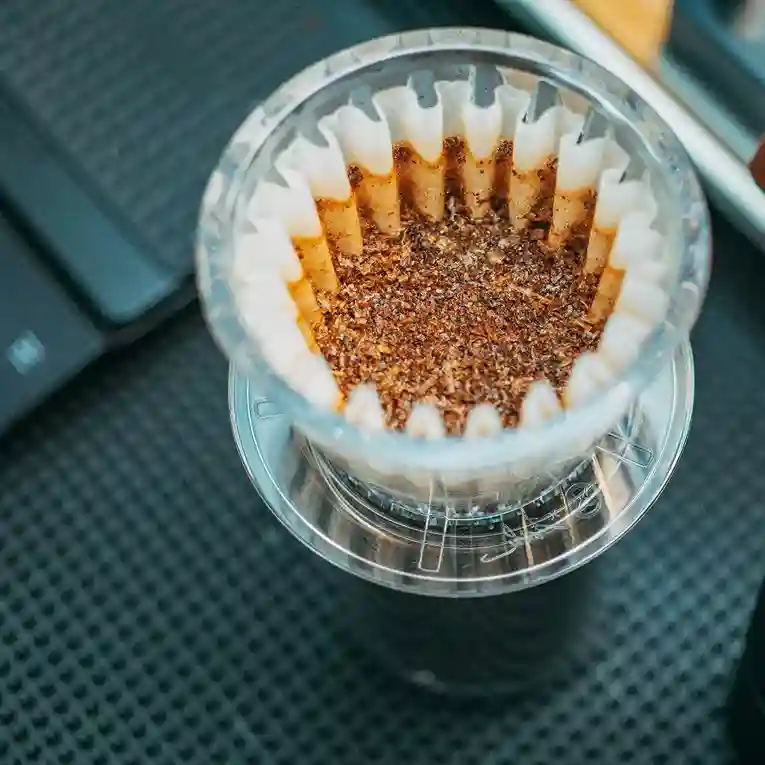
During the coffee brewing process, hot water passes through the ground coffee for a certain period of time. During this time, it extracts aromatic compounds, acids, sugars, oils, and other substances from the ground beans—substances that shape the aroma, body, and overall impression of the beverage. This process is called extraction. It is this process that determines the flavor of the resulting coffee: balanced, acidic, sweet, or excessively bitter.
Definition of Coffee Extraction
Extraction is the chemical process of dissolving the coffee bean’s components in water. It is this process that determines which characteristics of the bean will be expressed in the cup. Proper coffee preparation affects the balance between acidity, sweetness, and bitterness, as well as the intensity of the aroma, the body, and the length of the aftertaste. Many coffee enthusiasts mistakenly believe that the final result depends primarily on the coffee variety. In reality, brewing errors can ruin the taste of coffee even when made from high-quality beans. That is why baristas pay so much attention to grind size, temperature, and the coffee-to-water ratio—controlling the extraction process allows the beans’ full potential to be realized.
The Three Stages of Coffee Extraction
The process is generally divided into three stages.
In the first stage, fruit acids and light aromatic compounds dissolve. If the process is stopped too early, the drink will be sharp, watery, and not sweet enough.
It is during the second stage that the grain’s potential is fully realized: sweetness, depth, and balance emerge.
In the third stage, the liquid absorbs the heavier components. It’s important to monitor the time, because extracting for too long results in a tart and bitter taste in the coffee.
Key Parameters of a Proper Process
Grain Milling Degree
Extraction time depends on the preparation and grinding method. The finer the grind, the greater the surface area in contact with water, and the faster the substances dissolve.
A fine grind is used for espresso because the liquid passes through the coffee puck in just 25–30 seconds. Filter methods require a coarser grind to ensure even extraction of soluble compounds.
Water temperature
A temperature between 90 and 96°C is considered optimal. At lower temperatures, the coffee takes longer to brew, which can result in a drink that is too watery. Too high a temperature accelerates the dissolution of substances and increases the risk of over-extraction.
Temperature is especially important when brewing light-roast coffee beans, which release their soluble components into the water more slowly.
Duration of contact between ground grain and water
The extraction time should correspond to the chosen brewing method. For espresso, it is usually 25–30 seconds, while for alternative methods it can exceed several minutes.
When changing the grind size, it is important to adjust the contact time as well. A contact time that is too short often results in under-extraction, while one that is too long leads to excessive bitterness.
Coffee-to-water ratio
The balance between coffee and water is just as important as the temperature or grind size. Too much coffee will make the drink too strong, while too much water will make it watery. For a balanced result, it’s important to follow the recommended proportions and, if necessary, adjust other parameters: grind size, temperature, and brewing time.
Water Quality and Composition
If the mineral content is insufficient, the coffee loses its depth and character. On the other hand, excessive mineral content can make it difficult to perceive subtle aromatic and flavor nuances.
Special attention should be paid to tap water. Chlorine, excess minerals, or impurities can alter the taste of the coffee and mask the beans’ natural characteristics. Therefore, to ensure a high-quality beverage, it is recommended to use filtered water.
Degree of roasting
To achieve a cleaner flavor profile and better unlock the bean’s potential, it’s essential to consider the degree of roast. Light-roasted beans have a denser structure, so a higher temperature or finer grind is needed to achieve a high-quality result. Dark-roasted beans release soluble substances more readily, so the risk of over-extraction increases.
Under-extraction of coffee
When the coffee does not have enough time to release a sufficient amount of soluble substances, under-extraction occurs. This is most often due to a grind that is too coarse, a temperature that is too low, or an insufficient brewing time.
This type of coffee is easily recognizable by its sharp acidity, watery texture, and lack of sweetness. Sometimes the result resembles the taste of low-quality instant coffee.
Coffee Over-Extraction
Over-extraction is the opposite problem, where the coffeereleases too many compounds. If you notice a dry aftertaste, a viscous mouthfeel, and excessive bitterness, the cause may be a grind that’s too fine or an extraction time that’s too long.
To avoid this problem, you need to monitor the extraction time and adjust the settings depending on the brewing method. It’s important to remember that over-extraction doesn’t make the drink stronger; it only degrades its quality.

Basic Rules for Successful Extraction
When searching for the perfect cup, adjust the parameters one at a time so you can clearly understand which factor influenced the result. Even a slight adjustment to the grind size or brewing time can significantly affect the balance, richness, and overall taste of the beverage.
Record the parameters after each brewing session: note the weight of the coffee beans, the amount of liquid, the temperature, and the brewing time. Keeping a log like this will help you determine the optimal settings more quickly.
Equipment for precise parameter control
Professional baristas use a wide range of equipment to control the extraction process, but a few simple tools are usually sufficient to ensure a consistent extraction of soluble substances at home.
A high-quality coffee grinder allows you to precisely adjust the grind and control the extraction. Scales with a timer help you control the amount of coffee and water and track the duration of the process.A kettle with temperature control ensures consistent heating, and a thermometer lets you check the actual temperature.
Refractometers—devices that help measure the concentration of dissolved substances in coffee—are used to monitor the extraction process more accurately.

Methods and Characteristics of the Process
Each method has its own extraction characteristics, which affect the richness, balance, and character of the beverage.
The espresso method involves rapid brewing, during which hot water under pressure passes through a layer of ground coffee beans. This method produces a rich beverage with a concentrated aroma, a full body, and a distinct aftertaste.
Filter coffee, on the other hand, involves a slow extraction process. The prolonged contact between the liquid and the ground coffee ensures a uniform extraction of soluble compounds and fully brings out the bean’s aromatic profile in all its nuances.
Alternative brewing methods include pour-over, AeroPress, and French press. They differ in the method and duration of contact between the water and the coffee, which determines the rate of extraction and results in different flavor profiles.
Regardless of the method, it is the interaction between the grind and water that determines the balance, richness, and structure of the coffee profile. High-quality water, the right grind size, precise dosing, and control over extraction time help ensure consistent, predictable results and maximize the beans’ potential.