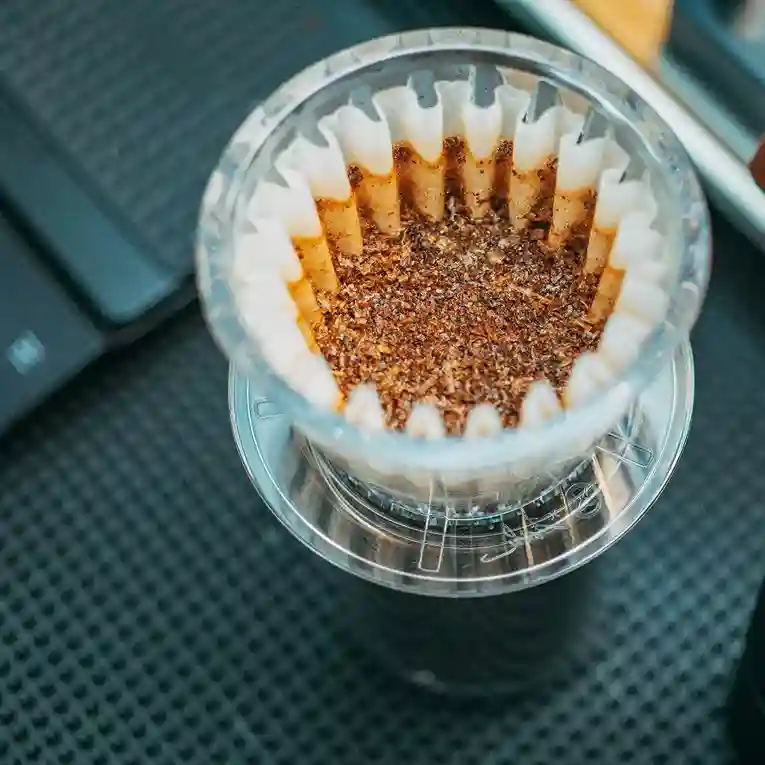
Coffee glossary: over 70 coffee terms worth knowing
Coffee culture has a language of its own, with terms that describe the bean, processing methods, brewing techniques and the palette of flavours. Knowing these concepts is useful not only for baristas, but for anyone who wants to understand coffee better, read a coffee menu with confidence and make sense of professional bean descriptions.
Section 1: Main types of coffee and coffee beans
These coffee terms help you understand which types of coffee bean exist and how their origin shapes the flavour.
Arabica
The most widespread species of coffee tree, accounting for roughly 60-70% of world production. Valued for its complex aroma, natural sweetness and wide range of flavour nuances.
Robusta
A coffee species with a higher caffeine content and a more pronounced bitterness. Often used in espresso blends for body and a stable crema.
Single origin
Coffee that comes from a single region, farm or even a single plot. It lets you experience the character of a particular terroir most clearly.
High-grown coffee
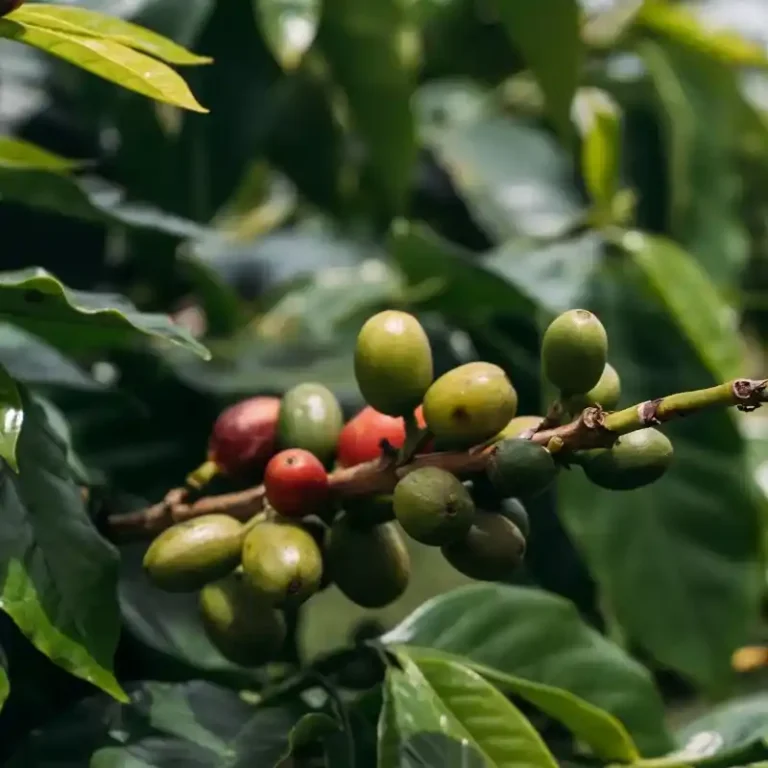
Coffee grown on plantations high above sea level. Slower ripening of the cherries helps build a richer, more complex flavour.
Green coffee beans
Unroasted beans that keep their natural green colour and have almost none of the familiar coffee aroma. These are the beans that are later roasted to unlock the aromatic profile.
Cascara
The dried pulp of the coffee cherry, used to brew an aromatic drink. It tastes like a fruit tea with notes of dried fruit, berries or rosehip.
Section 2: Espresso-based drinks
Most popular coffee drinks are built on espresso, varying the proportions of water and milk and adding different ingredients.
Espresso
A concentrated coffee drink brewed under high pressure. The basis of most classic coffee recipes.
Doppio
A double shot of espresso. The drink has a fuller flavour and contains more caffeine.
Ristretto
A concentrated version of espresso, brewed with the same dose of ground coffee but less water. The shorter extraction gives the drink an intense flavour, a thicker texture and less bitterness.
Lungo
A version of espresso brewed with the same dose of grounds but more water. The longer extraction gives the coffee a larger volume, but also less intensity and more bitterness.
Americano
Espresso with hot water added after brewing. This makes the coffee less intense while keeping it aromatic.
Cappuccino
Made from three ingredients: espresso, hot milk and a delicate milk foam. Considered one of the most popular milk-based coffee drinks.
Caffè latte
Espresso with a large amount of hot milk and a thin layer of foam. Mild in flavour with a delicate texture.
Flat white
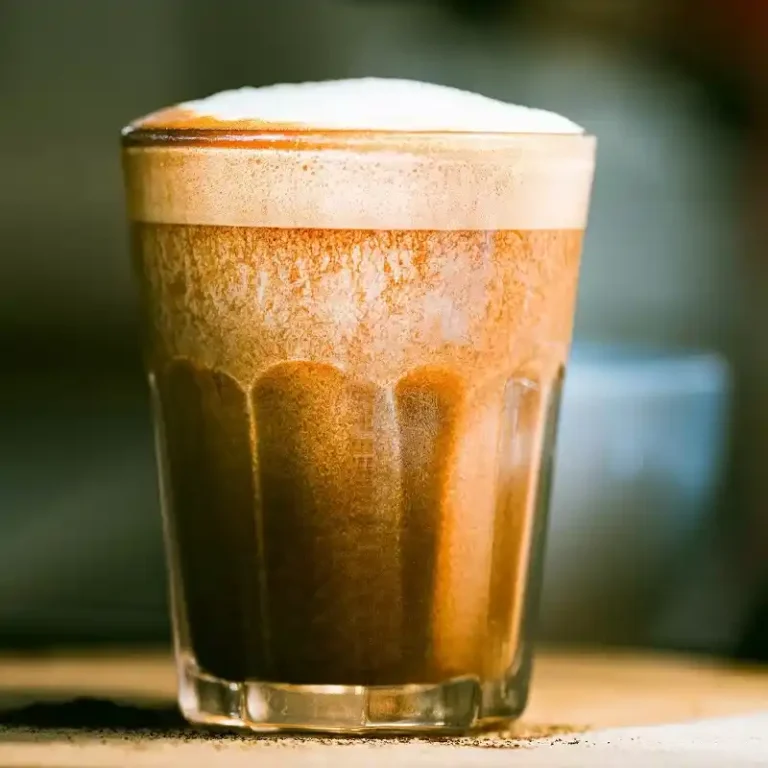
A drink built on a double espresso and a small amount of microfoam. Distinguished by an intense coffee flavour and a velvety texture.
Macchiato
Espresso with a small amount of milk foam, which softens the taste without changing its character: a macchiato keeps a rich, pronounced coffee flavour.
Cortado
A Spanish drink made of espresso and warm milk, usually in a 1:1 ratio. The milk softens acidity and bitterness while keeping the coffee flavour distinct.
Con panna
Espresso topped with whipped cream instead of milk. Combines an intense coffee flavour with a creamy texture.
Mocha
A coffee drink made with espresso, chocolate and milk. Often finished with whipped cream or cocoa.
Section 3: Alternative brewing methods
Alternative methods reveal the aroma, acidity and texture of coffee in different ways, without an espresso machine.
Filter coffee
Hot water passes through ground coffee and a filter, paper or metal, producing a clear, clean and aromatic drink with a balanced flavour.
AeroPress
A manual brewing device that combines immersion with filtration under pressure. The result is clean, rich and balanced, and it invites experimenting with recipes.
French press
A brewer with a metal filter and a plunger. Because it works by immersion, the coffee has a heavier body and a fuller texture.
Chemex
A filter brewer with a glass carafe and a paper filter. It produces a clean, light and balanced cup.
Pour-over
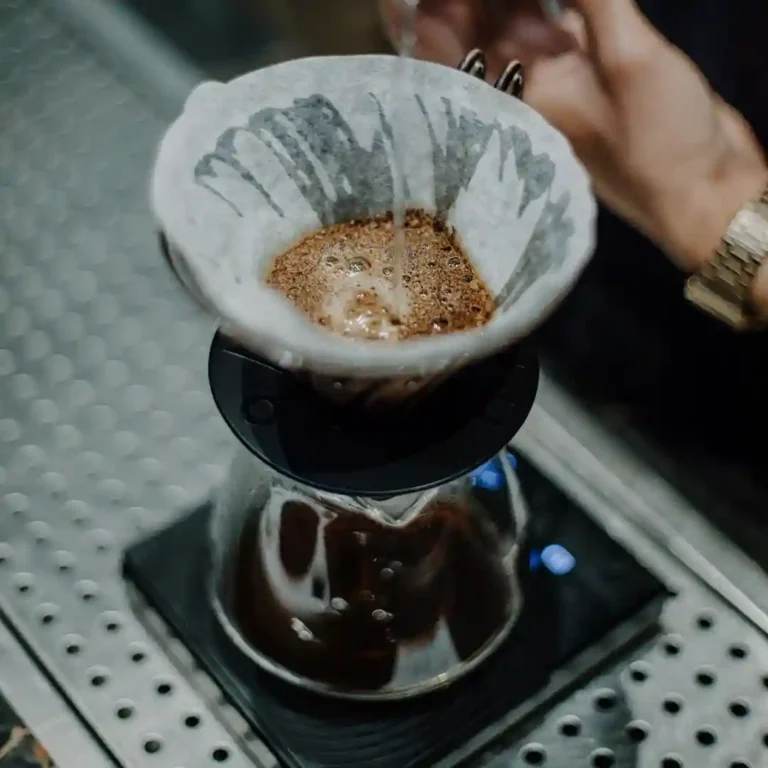
A manual brewing method in which water is poured slowly through ground coffee. It allows precise control of extraction.
Hario V60
A cone-shaped dripper for pour-over brewing. Its spiral ribs and large opening give control over the brew and a clean flavour.
Kalita Wave
A flat-bottomed dripper with three holes. It provides a steadier flow of water and a more even extraction.
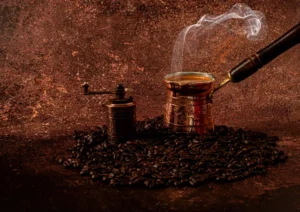
Cezve
A metal pot with a long handle for brewing coffee the Eastern way. Traditionally made of copper or brass.
Turkish coffee
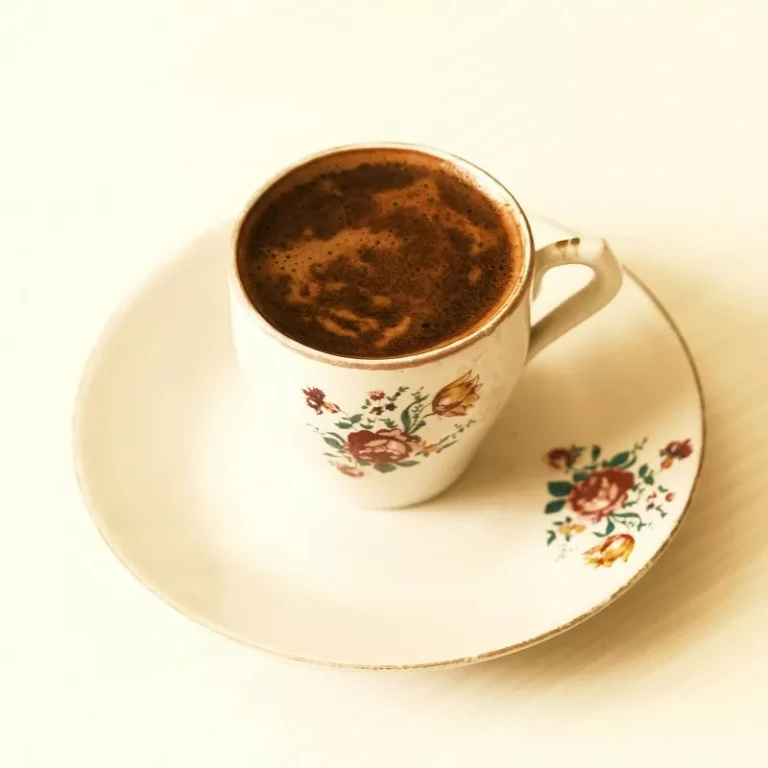
A method of brewing a very fine grind in a cezve without filtration. The cup has a thick texture and a characteristic sediment.
Moka pot
A stovetop brewer in which hot water is pushed through the coffee grounds by steam pressure. It produces a strong, intense drink.
Cold brew
Coffee steeped in cold water for 8-24 hours. It has a mild flavour, gentle acidity and natural sweetness.
Cold drip
A cold brewing method in which water passes slowly, drop by drop, through the ground coffee. The result is brighter and more aromatic than cold brew.
Siphon
A vacuum brewer that uses heat and a pressure difference to make coffee. It combines a spectacular presentation with a clean flavour profile.

Section 4: The profession and the craft
A good cup of coffee is a combination of knowledge, technology and skilled execution.
Barista
A specialist in preparing coffee drinks who works with the equipment, dials in recipes and controls the quality of every cup.
Cupping
Professional coffee tasting following a standardised protocol. Used to evaluate aroma, flavour, acidity, body and aftertaste.
Latte art
The art of creating patterns on the surface of milk drinks using steamed milk.
Roaster
A specialist who develops roast profiles for different coffees in order to unlock the full flavour potential of the bean.
Section 5: Processing and production
The way the cherries are processed and the beans are roasted determines the future aroma, sweetness and character of the drink.
Coffee roasting
The heat treatment of green beans, during which the aromatic compounds, colour and flavour profile of the coffee are formed.
Washed process
A method in which the pulp of the coffee cherry is removed before the bean is dried. Such coffee usually has a cleaner, brighter flavour.
Natural (dry) process
The cherries are dried without being pulped first. This helps build a sweeter, fruitier profile.
Honey process
A semi-washed method in which part of the mucilage is left on during drying. It combines traits of the washed and natural processes.
Anaerobic fermentation
Fermentation takes place without access to oxygen, in sealed tanks. It gives the bean unusual, pronounced flavour characteristics.
Carbonic maceration
A processing method in which whole cherries are held in a carbon dioxide-rich environment. Borrowed from winemaking, it helps build a complex fruity flavour profile.
Omni roast
A universal roast profile suitable for both espresso and alternative brewing methods.
Section 6: Flavour characteristics of coffee
Professional coffee evaluation is based on a combined analysis of flavour characteristics that together form the overall impression of the cup.
Acidity
The natural brightness of the flavour, typical above all of quality arabica. It can resemble citrus, berries or ripe fruit and has nothing to do with a sour or spoiled drink.
Body
The sensation of weight and density in the mouth. A drink can be light, medium or full-bodied in texture.
Balance
A harmonious combination of acidity, sweetness, bitterness and body, with no single characteristic dominating.
Aftertaste
The flavour sensations that remain after a sip. Good coffee has a long, pleasant aftertaste.
Crema
The thin layer of golden-brown foam that forms on the surface of espresso from the emulsion of coffee oils and carbon dioxide.
Bouquet
The full set of aromatic and flavour nuances that unfold while tasting the coffee.
Section 7: Professional equipment
Every piece of coffee equipment affects the consistency of brewing and the quality of the espresso.
Espresso machine
Equipment for brewing espresso under high pressure, with additional functions for heating water and steaming milk.
Portafilter / holder
A removable metal handle with a basket for the grounds, locked into the group head of an espresso machine to brew espresso.
Tamper
A tool for compressing the ground coffee evenly before brewing espresso.
Grinder
A professional coffee grinder that delivers a precise and even grind for different brewing methods.
Boiler
The heating vessel of a coffee machine, which maintains the required water and steam temperature.
Group head
The part of the machine that the portafilter locks into and through which hot water passes during extraction.
Steam wand
A metal wand that delivers steam for heating and texturing milk.
Pressure gauge
An instrument that shows the pressure inside the coffee machine while it is running.
Section 8: Technical brewing terms
These concepts describe the espresso brewing process and the factors that shape its flavour.
Extraction
The process of dissolving flavour and aroma compounds out of ground coffee with water.
Pre-infusion
Wetting the bed of ground coffee with a small amount of water before the main extraction, so that the flow is even.
Tamping
Compressing the grounds with a tamper to create even resistance to the water.
Extraction time
How long the water takes to pass through the coffee bed. For a classic espresso it is usually around 25-30 seconds.
Under-extracted coffee
Coffee in which, because the extraction was too short, the flavour compounds did not fully dissolve. It often has sharp acidity and a thin body.
Over-extracted coffee
The result of an extraction that ran too long, giving the drink excessive bitterness and a dry aftertaste.
Dose
The precise amount of ground coffee used to brew a single drink.

Section 9: The geography of coffee
The origin of the bean largely determines its aromatic and flavour profile.
Java
An Indonesian island that became one of the best-known historical centres of coffee growing.
Uganda
One of the world’s largest robusta producers, which is also actively developing quality arabica production.
Vietnamese coffee
A brewing tradition that often combines robusta with condensed milk. Vietnam is the largest producer of robusta, with roughly 40% of world production.
Jamaica Blue Mountain
A premium arabica from the Blue Mountain region of Jamaica. Known for its mild flavour, delicate acidity and high price.
Yemen Mocha
A historic coffee region and port through which coffee was exported to other countries for centuries.
Colombia
One of the world leaders in growing high-quality arabica. A variety of altitudes and microclimates gives Colombian coffee a broad range of flavour profiles.
Ethiopia
The homeland of coffee. Many local varieties stand out for their bright fruity and floral aromatics.
Brazil
The world’s largest coffee producer, known for chocolate, nut and caramel notes in the bean.
Section 10: Specialist terms
The professional coffee world often uses concepts that describe the quality and condition of the bean.
Decaf
Coffee with no caffeine, or with a minimal amount of it, obtained by decaffeinating the green beans.
Quaker
An underripe bean that stays lighter after roasting and can give the coffee unwanted flavour notes.
Pod
A pressed portion of ground coffee in a paper filter, for brewing espresso quickly.
Screen size
A measure of coffee bean size, determined using a set of calibrated sieves.
Bean defects
Damage or natural flaws in the beans that can affect the flavour of the finished coffee.
Crop year
The year the coffee cherries were harvested, which makes it possible to judge freshness and trace a lot of beans.
Coffee freshness
The period after roasting when the bean shows its aromatic and flavour qualities at their best.
Degassing
The natural process by which carbon dioxide is gradually released from freshly roasted coffee beans.
Section 11: Historical figures and legends
The history of coffee is a mix of documented facts and legends that shaped world coffee culture.
Kaldi
The legendary Ethiopian goatherd who, as the story goes, discovered the stimulating properties of coffee cherries by watching his goats.
Baba Budan
The Indian Sufi who, according to legend, carried a few coffee beans out of Yemen and began coffee cultivation in India.
Conclusion
Coffee terminology traces the journey of the bean from farm to cup. Knowing the core concepts makes choosing coffee easier, helps you navigate a café menu with confidence and lets you appreciate the differences between varieties, processing methods and brewing techniques more deeply. And it is exactly this knowledge that separates casual drinking from a considered one.