Coffee plays an important role in modern culture, as it is not only a popular beverage but also an element of social interaction, lifestyle and daily ritual for millions of people around the world.
A cup of coffee accompanies us in different situations: when we wake up in the morning, during business meetings. It is a reason to go out on dates and a treat for friends. It can be the backdrop for fun conversations and moments of solitude and reflection.
As the coffee industry has grown, so has the variety of drinks: latte, cappuccino, macchiato, Americano, flat white, cappuccino – just a small list of the many espresso-based variations. Each of these names has its own character, ratio of ingredients, and method of serving.
To choose a coffee drink to your liking, it’s important to first understand the difference between the basic types: ristretto, espresso, and lungo.
This knowledge not only allows you to better navigate the coffee menu, but also to better assess the quality of preparation, experiment and form your own taste preferences.
Italian coffee classics
Espresso is a classic Italian drink that has become the basis for most modern coffee cocktails. It was born in the 20th century, when the first coffee machines capable of quickly brewing coffee under high pressure appeared in Italy. The word “espresso” itself means “squeezed” or “prepared quickly,” which emphasizes the brewing technology.
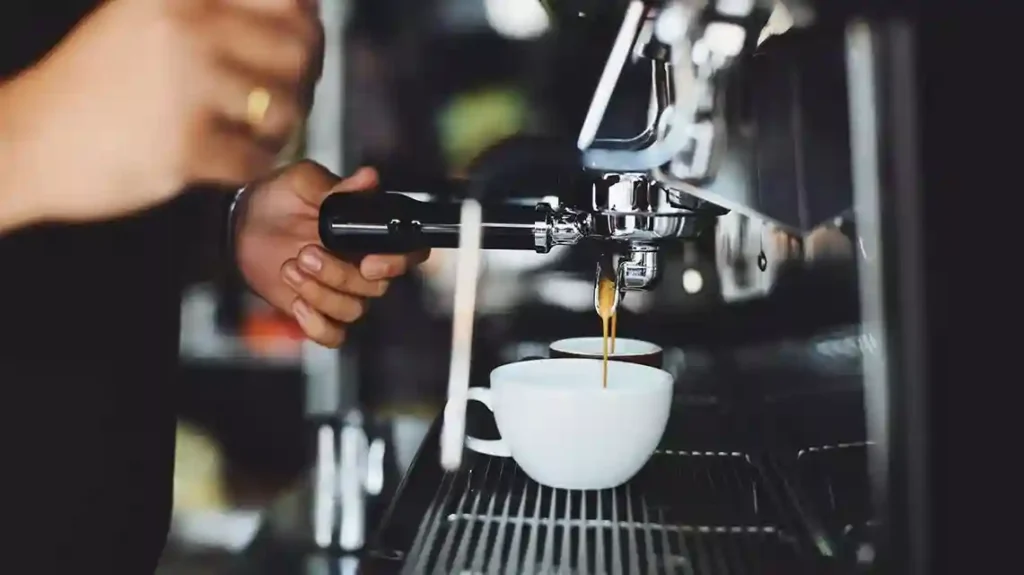
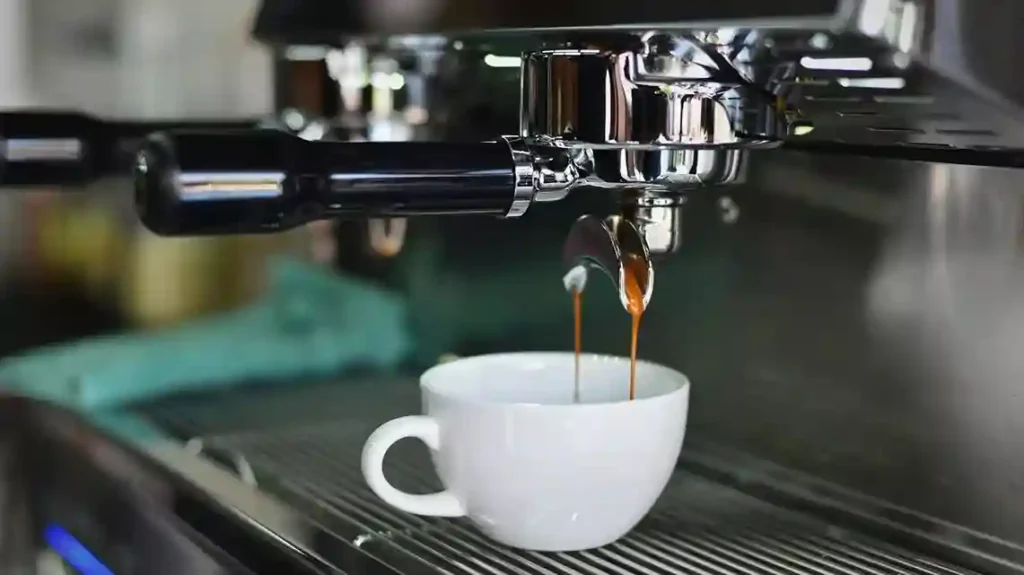
Traditionally, it is made by passing hot water under pressure (about 9 bars) through finely ground coffee. This process takes about 25-30 seconds. The result is a concentrated decoction of 25-30 ml with a thick cream, which is a sign of quality espresso.
The main characteristics of the classic drink are its rich flavor, thick texture, bright aroma and balanced bitterness. It is worth noting that espresso is not a separate type of coffee beans, but rather a method of brewing it. That is, it can be made from different coffee beans, the main thing is to follow the right technology.
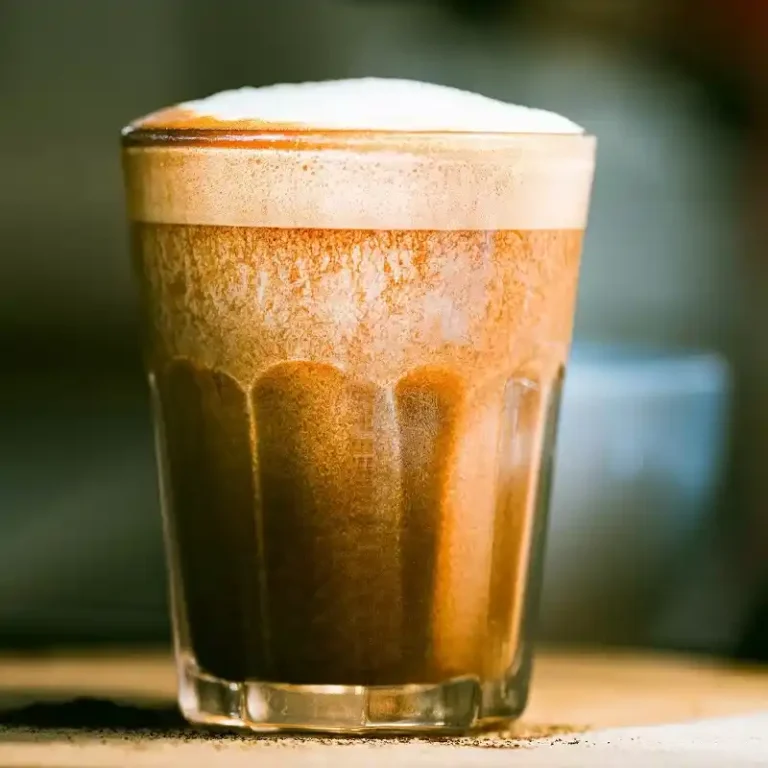
The versatility of this method and its rich, flavorful texture make it the basis for such coffee drinks as latte, cappuccino, and macchiato. It goes well with animal and vegetable milk, juices, tonics, and ice cream. It is a great base for coffee art.
Ristretto – concentrated pleasure
Ristretto is a more concentrated version of espresso, with an even deeper flavor and richer aroma. It is made using the same technology as espresso. The difference is in the amount of water: you need half as much, about 15-20 ml instead of 25-30 ml. The water passes through the same portion of ground beans, but the shorter extraction time allows you to get only the very first, most aromatic elements.
Due to the high concentration of flavoring substances, ristretto is often considered the strongest. Despite this, it tastes less bitter, more dense and sweet, and has an intense coffee flavor. Although the volume of the finished broth is half as much, the caffeine content is about the same as in classic espresso.
In coffee culture, ristretto is considered the choice of true connoisseurs. It is usually drunk quickly, in one or two sips, to fully experience the concentrated pleasure and depth of flavor. In many European countries, a love of shot is a sign of sophisticated taste.
Extended enjoyment
“Long” is how another type of espresso, lungo, is translated from Italian.
It is prepared using the same technology as classic espresso, but with twice as much water, approximately 50-60 ml. The extraction process takes longer (up to 45 seconds), which results in a larger volume with a milder, but more complex flavor.
Unlike the other two varieties, lungo has less saturation, but it has more bitter notes that appear due to the longer contact of water with coffee beans. It does not feel like strong coffee, although the caffeine content may be higher than in the classic drink.
It is not a “small Americano” as many people think. Unlike an Americano, which is made by adding hot water to the finished espresso, a lungo is brewed with more water at once, which changes the chemical composition and flavor characteristics.
In Europe, this variant is often drunk slowly, enjoying every sip, usually in the morning, like other coffee drinks.
How do they differ?
Let’s summarize the main differences between the three variations.
Espresso, ristretto, and lungo share a common base, but differ significantly in flavor, preparation, and caffeine content. The main difference between them is the ratio of beans to water. All three use the same amount of ground coffee (approximately 7-9 g), but different volumes of liquid. Ristretto is brewed with the smallest amount of water – 15-20 ml – the fastest, within 15-20 seconds, which makes it the most concentrated. The classic version is prepared with 25-30 ml for 25-30 seconds, while for lungo, double the amount of water (50-60 ml) is taken and brewed for up to 45 seconds. This affects not only the volume but also the flavor.
Coffee shot has an intense but less bitter flavor. The classic version is a balanced and rich brew. The “long” version is mild, but with a pronounced bitterness.
Regarding caffeine: contrary to popular myth, ristretto contains less caffeine than lungo, because the short extraction does not have time to “extract” all of its content. Lungo, on the other hand, often has the highest caffeine content of the three, although this is not obvious from the taste.
For your convenience, we provide a comparative table below:
| Characteristics | Ristretto | Espresso | Lungo |
|---|---|---|---|
| Volume | 15-20 ml | 25-30 ml | 50-60 ml |
| The amount of coffee | 7-9 г | 7-9 г | 7-9 г |
| Cooking time | 15-20 sec | 25-30 sec | 35-45 sec |
| Taste. | Intense, sweet | Rich and balanced | Mild, with a bit of bitterness |
| Caffeine | Smallest or medium | Medium | The largest |
| Method of delivery | Quickly, in 1-2 sips | Classic shot | Long |
Practical aspects
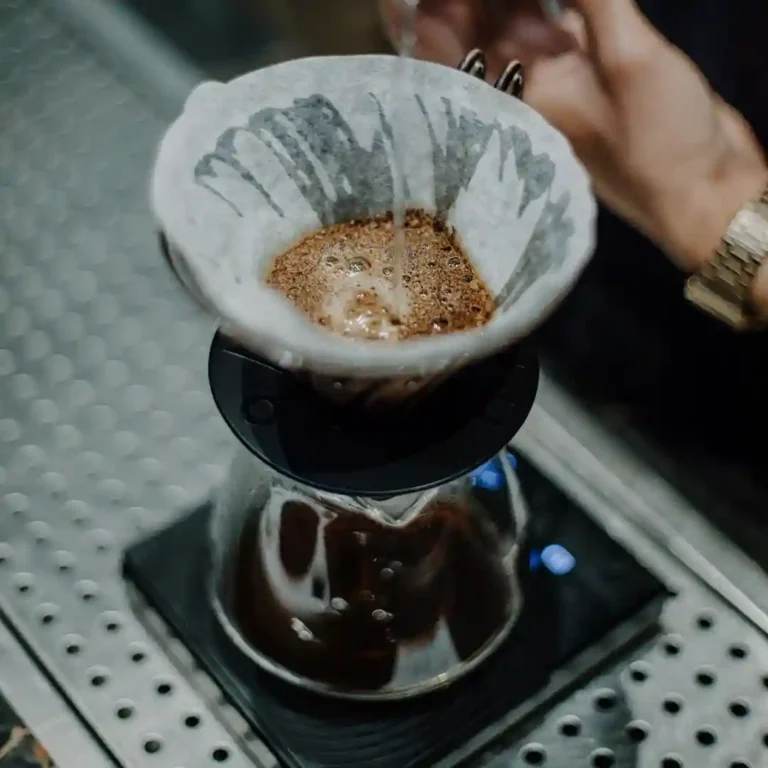
For high-quality espresso, ristretto, and lungo, you need the right equipment. The best choice is a professional machine that allows you to precisely control the pressure, temperature, and extraction time. Alternatives for home use are cone coffee makers, automatic coffee machines, or an air press, which can be used to experiment. An equally important attribute is a grinder with adjustable grinding, as the degree of grinding significantly affects the taste of each drink.
Ristretto requires finer-ground coffee beans for a short, intense extraction. Two sips will be the most delicious single origin Arabica with a mild, bright flavor.
The classic version requires finely ground coffee beans. The classic version requires a balanced blend of Arabica beans with the addition of Robusta. It is this composition that gives creaminess and strength.
For lungo, ground coffee beans of medium roast with fruity or nutty notes are suitable. The texture of the ground coffee should resemble coarse sand.
As for toppings, ristretto is usually served without milk to preserve the concentrated flavor. Espresso goes well with a little milk or cream, sometimes with sugar. Coffee long drinks can be enjoyed on their own or with milk, spices, or syrups, depending on your taste.
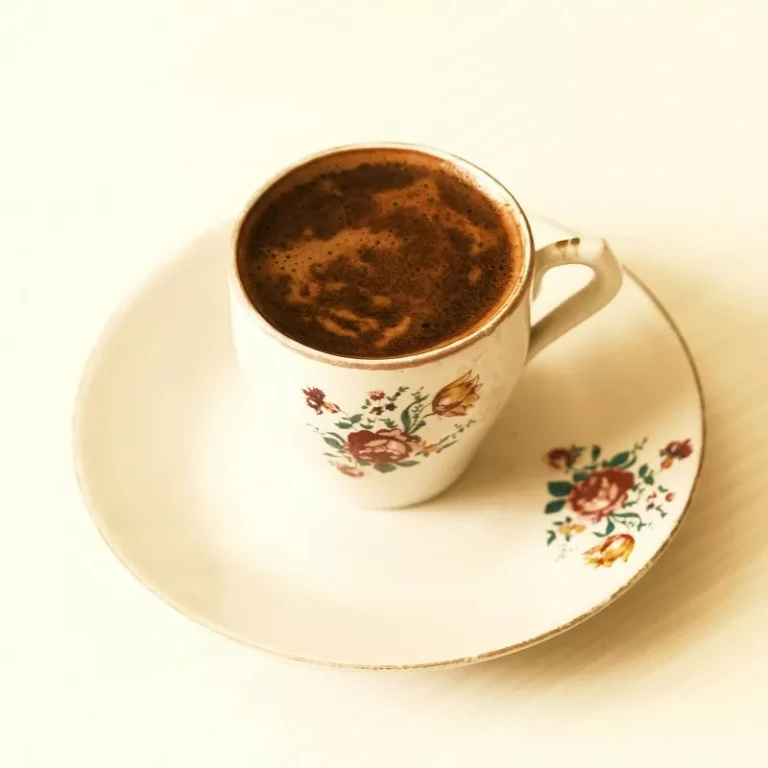
Serving also matters. Ideally, all drinks should be served in preheated cups to keep the temperature up. Ristretto should be served in the smallest cup (about 60 ml), espresso in a standard cup (80-90 ml), and lungo in a slightly larger cup or glass (120-150 ml). The refined presentation emphasizes the culture of coffee consumption and makes the moment special.
How to make a choice
Choosing the perfect coffee drink depends primarily on your taste preferences. If you prefer a deep, concentrated flavor with minimal bitterness, try a ristretto. For those who appreciate the balance between richness, aroma, and light bitterness, espresso is the right choice. If you’re looking for a softer, longer-lasting option, pay attention to lungo.
Baristas advise beginners to start with a classic espresso, as it allows you to fully experience the character of coffee beans and form a basic understanding of the flavor profile. Next, it is advisable to try a ristretto to delve deeper into the aromatic shades, and then a lungo, which demonstrates how the duration of extraction affects the taste of the drink.
The best way to get acquainted with the world of coffee is to visit a coffee shop, where you can try different variants, get advice from baristas, and learn how to distinguish between flavor profiles. This will help you choose a drink that tastes good to you.
Conclusions.
Different types of espresso have long gone beyond just a coffee brewing technique. They have become part of a cultural code that reflects the tastes, habits, and lifestyles of people in different countries. For example, in Italy, ristretto is often drunk on the go for a quick and powerful energy boost. Espresso is a classic, a symbol of the European coffee culture that combines tradition, ritual, and social interaction. Lungo is more associated with a quiet morning, conversation or work break.
Each of these variations has its own character, and this is where their cultural significance lies. But it’s equally important to experiment with the type of coffee grounds, volume, extraction time, and temperature to find the drink that best suits your individual preferences.
The world of coffee is a space for discovery. The slightest difference in recipe or grinding will produce a different result. Only by comparing and making individual adjustments can you create your own flavor profile, prepare your coffee drink consciously and enjoy it to the fullest.