Roasting coffee for espresso and alternatives. Is there a difference?
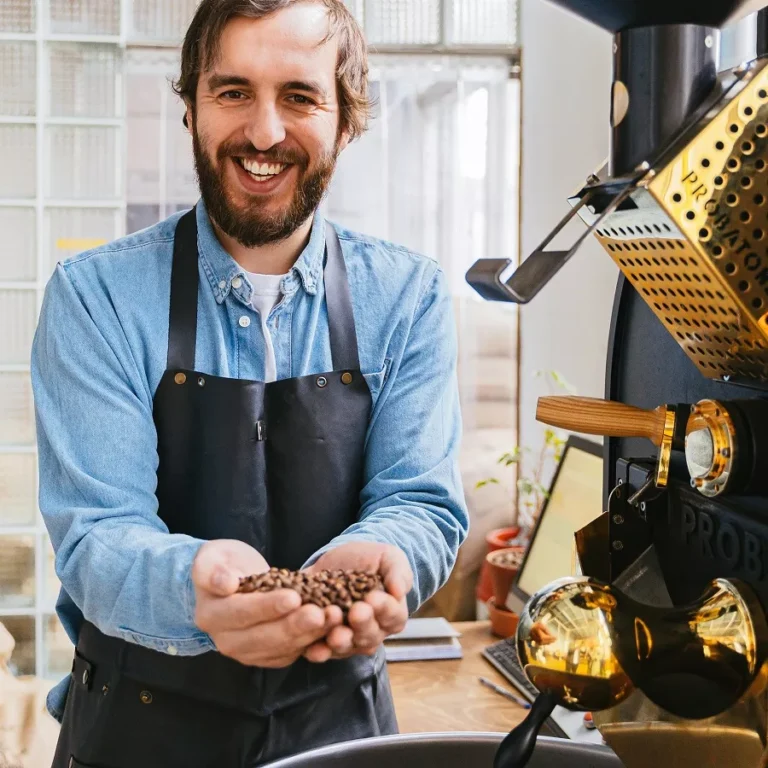
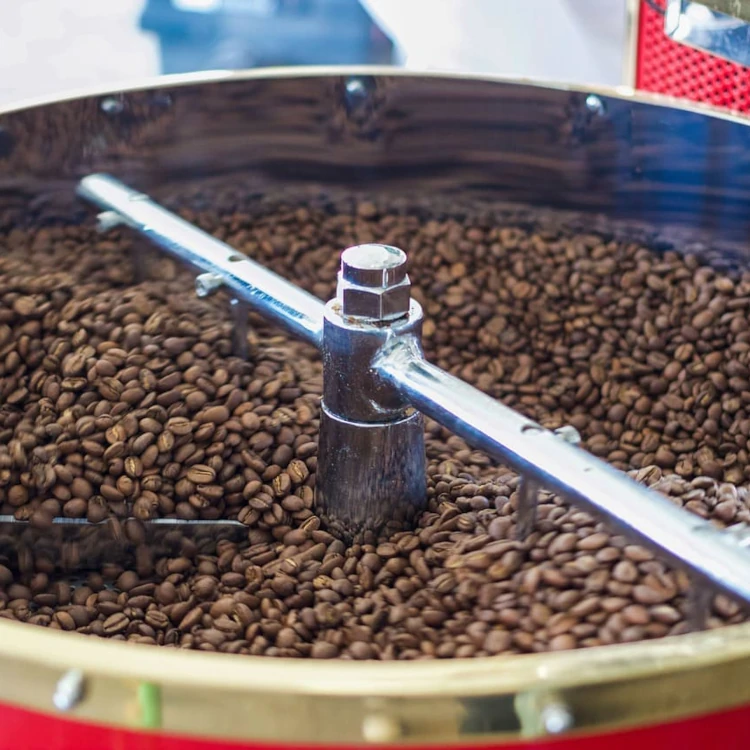
Of course, there are different roasting styles, and it’s incorrect to assume that espresso requires a dark roast and filter coffee requires a light roast. Personally, I don’t roast coffee to a dark level because I work with high-quality beans and, before roasting, I evaluate the beans’ initial characteristics, such as their temperature, density, and moisture content. Based on this, I design the roasting profile, which is, of course, more complex than simply roasting the beans to a dark state. I consider this approach to be the most sensible in terms of maximizing the flavor and aroma profiles of a particular coffee from a specific country and individual regions.
The average consumer thinks that dark-roasted coffee has more body and is sweeter. But people who work in the coffee industry know that dark roasts can completely lack sweetness and flavor.
A dark roast is usually just a way to hide the defects in the coffee.
If you roast coffee beans properly and then taste them, describing their flavors and characteristics, you can accurately determine the best brewing method to bring out their flavor and aroma to the fullest.
When considering the right roast—coffee beans from different countries, regions, and harvests react differently to temperature. The tone of the beans depends on the temperature at which we perform the roast*. In other words, coffee can be roasted correctly and still have either a light or a dark hue.
It’s important to remember that “developing” the grain means increasing its “solubility.” You’re simply making the grain more soluble. Remember that the grain “prepares” itself from the outside in. The grain itself contains “strands” of cellulose woven into a web-like structure that form cells. Each grain contains about a million cells. The cellulose is coated with oils and solids. The better we develop the grain, the more porous and fragile the cellulose becomes. And the better our grind will be.
There is a difference, but it lies not so much in the roasting process as in the roaster’s understanding of all the characteristics of the beans they are working with.
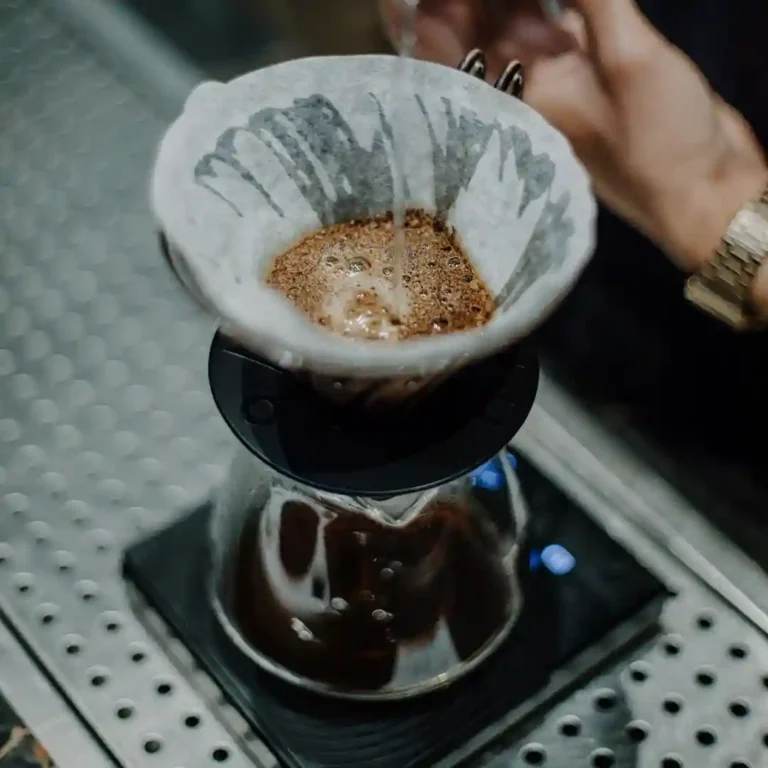
How do alternative coffee brewing methods differ from espresso, after all?
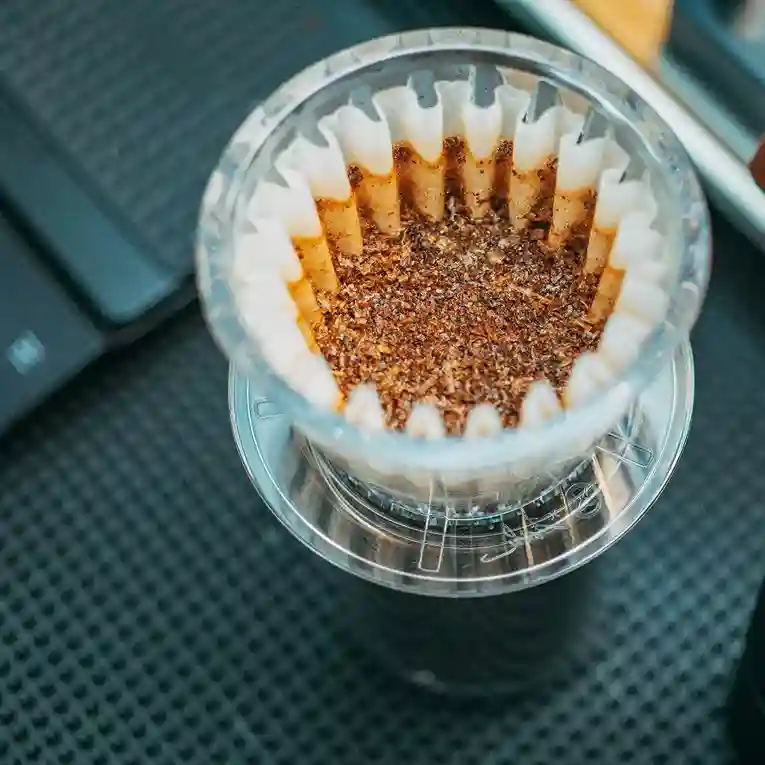
Different brewing methods require different grind sizes: a finer grind is used for espresso, while a coarser grind is used for alternative brewing methods.
However, grinding does not alter the content of flavor and aroma compounds in coffee; it merely changes the extraction time—that is, the “extraction” of these compounds from the coffee.
In my opinion, what makes this alternative fundamentally different from espresso is that, with a coarser grind and a longer extraction time, we can extract more from the coffee than we can with espresso (which involves a short extraction).
In the alternative, all the flavors and aromas—as well as any defects present in the beans—are always most distinctly and clearly perceived.
Can you tell the quality of coffee by the color of the coffee beans?
The color of roasted coffee in the package is by no means an indicator of flavor. What matters most is the result we get in the cup. When choosing coffee, the best option is to ask a roaster or barista for advice.
Local roasters and coffee shops include brewing recommendations on the coffee package based on cupping results.
If you want a clean coffee flavor in your cup—not a charcoal taste—and you take a thoughtful approach to this beverage, I recommend buying beans not at the supermarket, but from your local roasteries. Small roasters focus first and foremost on the taste of the coffee, and only then on making a profit.
Which brewing method brings out the coffee’s flavor best?
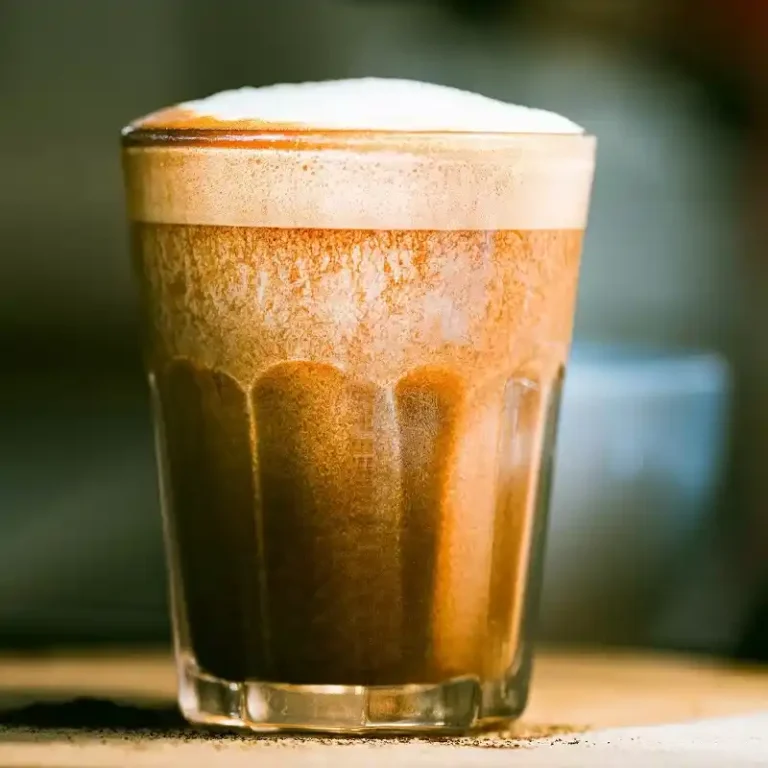
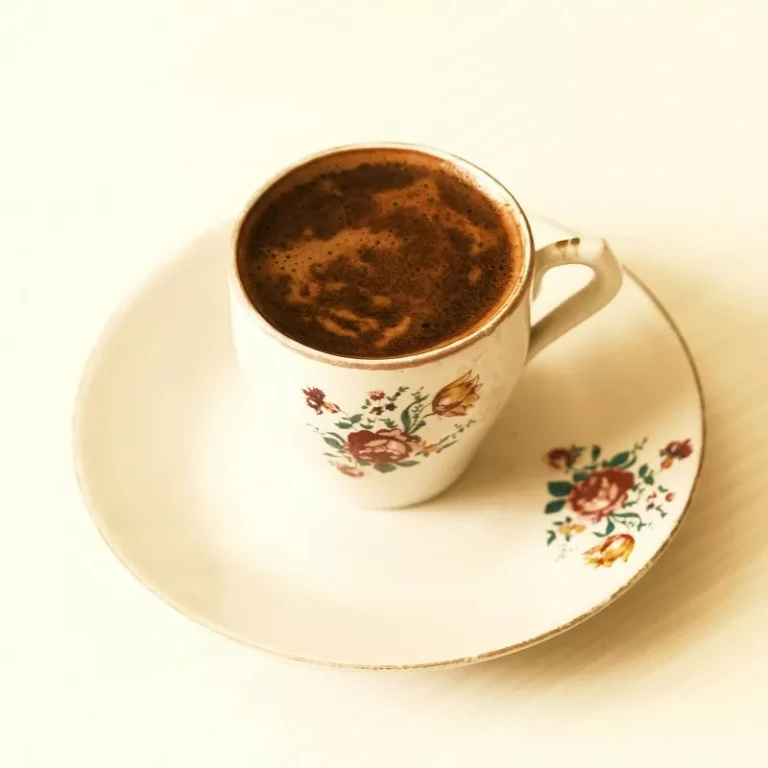
I see espresso as a brief alternative. If we compare it to literature, espresso is a short description of a work—a distillation of its most interesting parts. Espresso always has body and a balance of sweetness, acidity, and bitterness. It is in this concise form that I’m reading this book about coffee. For me, an alternative is always a full, detailed story—a story about the long journey and life of a coffee bean.
I’d like to remind you once again that when it comes to high-quality coffee beans, it makes sense to roast them and try them in a different way to fully appreciate their beauty.
Therefore, all coffee must be tasted after roasting, broken down into descriptors, and described; only after completing all these comprehensive procedures can we understand what it is best suited for and at what temperatures it should be brewed.