Why it’s important to be able to describe the taste of coffee
The description of coffee is not limited to strength and bitterness. There are many flavors of the bean drink. Several notes can be harmoniously combined in one cup: fruit, chocolate, nut, caramel, and floral.
The ability to distinguish and describe flavor helps you better understand your own preferences, consciously choose grains, and notice how it changes depending on the cooking method.
For professionals, note descriptions are an important communication tool. Baristas, roasters, and tasters use it to convey the character of a drink, explain the origin of the grain, and help the customer determine their request.
Even a basic understanding of the characteristics makes it easier to choose and better appreciate the nuances of a drink.
Factors that shape the organoleptic profile of coffee
Grain origin and terroir
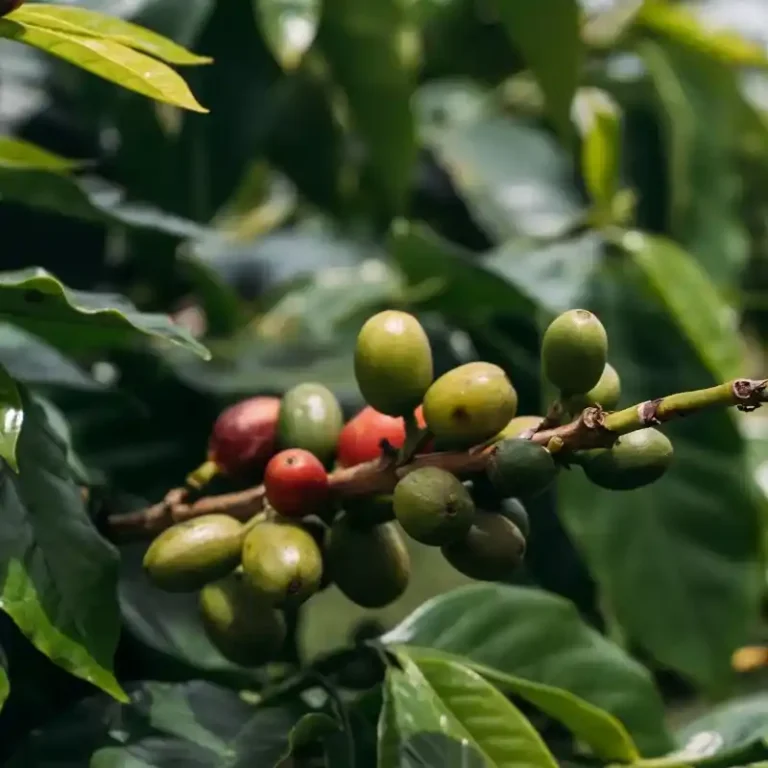
Each country has a unique terroir – climate, altitude, soil and weather conditions – that has the greatest impact on the organoleptic profile of coffee beans.
Ethiopian coffee has bright fruity and floral notes, while Brazilian beans are characterized by chocolate and nutty hues.
Highland plantations usually harvest denser grain with a more complex aromatic profile and distinct sourness.
Roasting level
Different degrees of roasting can dramatically change the perception of the same coffee.
Light roasts usually have fruity and floral notes. Medium roasts are sweeter and more balanced, and dark roasts are rich with bitter and chocolate notes.

Grain processing methods
After picking, the berries are processed. Each farmer chooses a method based on the climatic conditions and the desired result, because the processing method directly affects the organoleptic profile: sweetness, acidity, purity of taste and richness of aroma.
The most common are the washed, natural, and honey methods, each of which reveals the potential of the grain in a different way.
The washed method makes the drink cleaner and emphasizes the acidity more vividly.
Honey processing gives coffee sweetness, softness and moderate acidity.
The natural method produces a sweet, rich bouquet with fruity and berry notes. It is often used in regions with dry and warm climates, where berries can dry evenly in the sun without the risk of mold.
Method of preparation
Espresso, filter coffee, pourover and French press – each method reveals the sound of the same bean in a different way.
Espresso is characterized by a concentrated flavor, dense body, and rich aftertaste, which makes chocolate, nut, and caramel notes more pronounced in the cup. Instead, alternative brewing methods create a lighter and more transparent drink that better reveals the aromatic profile of the beans, fruity acidity and subtle hues.
Five main flavor characteristics of coffee
During a tasting, a drink is evaluated by several characteristics that form a holistic impression. It is the aroma, notes, acidity, body, finish, and balance that help us understand the character of the grain, the complexity of the bouquet, and the specifics of the origin. Together, they create a multifaceted profile that allows us to more accurately describe the differences between varieties, roasts, and brewing methods.
Coffee flavor
The nose can detect hints of chocolate, citrus, berries, caramel, spices, and nuts before the first sip. To better recognize the nuances of aroma, it is important to train your sensory memory. Experienced tasters often compare the flavor of coffee to familiar foods or fruits.
Taste notes
Flavor notes are revealed after the first sip. Their formation begins from the moment of ripening in a particular terroir, is adjusted by the way the grain is processed and the degree of roasting. In fact, these are associations that arise during consumption: chocolate, berries, citrus, caramel, nuts, flowers, spices. It is these shades that help to describe the character of the grain more accurately and to notice the difference between varieties and methods of preparation.
Acidity
Acidity is one of the most important characteristics of quality coffee. The right acidity makes the drink come alive. When describing acidity, people usually pay attention to its intensity, purity, and aftertaste.
Depending on the variety, terroir, and processing method, coffee can exhibit different types of acidity:
- citrus – fresh, bright, reminiscent of lemon or orange;
- berry – sweeter and richer, reminiscent of raspberries or currants;
- apple – soft, juicy and balanced;
- The wine is deep, complex, and slightly tart. .
The body of the drink
Coffee body is the sensation of density and texture in the mouth. It is determined by assessing how light, velvety, or rich the coffee feels when you take a sip. It is the body that creates a sense of fullness in the taste of the drink.
Aftertaste.
The aftertaste is the sensation that remains after a sip. It can be short or long, sweet, chocolate, nutty, or dry.
Quality coffee usually has clean and pleasant final notes without harsh bitterness.
Balance
Balance is considered to be one of the main features of quality coffee, because it makes it possible to feel all of its characteristics: acidity, sweetness, body, and aroma. It is what makes the experience of consumption holistic and enjoyable. No single note, no single characteristic dominates.
Description of coffee flavor. Professional protocols.
Standardized protocols and special descriptors help to describe grain characteristics more accurately, avoid overly subjective assessments, and compare beverages according to common criteria. Such systems are used during tastings, championships, and cupping, where it is important not only to feel the characteristics but also to interpret and describe them correctly.
Why standardized description algorithms are important
Professional tasting requires a unified system for evaluating the beverage. Standardized protocols help to compare different types of coffee more objectively.
How filter coffee is described at championships
When evaluating filter coffee, judges pay attention to the purity of taste, aroma, balance, sweetness, acidity, and clarity of notes. For alternative brewing methods, it is important how clearly and consistently the characteristics of the grain, its terroir and character are revealed.
How espresso is described at competitions
Espresso is judged not only by its flavor, but also by its texture and overall experience. Important characteristics include balance, body density, and the duration of the final notes after a sip. A well-made espresso is characterized by sweetness, balanced flavor, and a mild, harmonious aftertaste without harsh bitterness.

Terms for professional description
In the coffee industry, special descriptors are used to describe the shades and convey the character of the drink more accurately.
Most often it is:
- citrus acidity;
- chocolate profile;
- syrupy body;
- caramel sweetness;
- floral aroma.
Description of the taste of coffee. A practical guide.
Step-by-step tasting guide
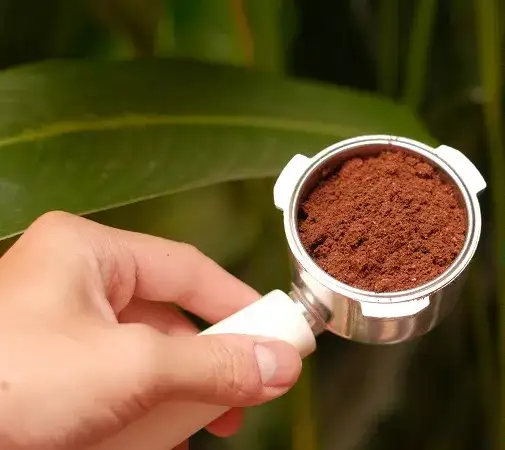
The first step is to evaluate the flavor of the dry grind.
The second one evaluates the first sip impression, acidity, sweetness, body, and aftertaste.
This algorithm helps to better structure your own impressions.
How to recognize different flavors
The best way to train your taste perception is to compare the drink to food. If you can taste notes of black currant or dark chocolate in a drink, make a note of the associations. It’s also helpful to taste different varieties at the same time to notice differences in acidity, sweetness, body, and flavor.
Typical flavor profiles depending on the roast
The light color better preserves the natural characteristics of the grain, emphasizes acidity and fruit notes.
Medium roast harmoniously combines sweetness, sourness and bitter notes.
Dark roasting creates a richer flavor with smoky, caramel and chocolate tones.
How to describe coffee for coffee shop guests
It’s important to explain the taste to guests in clear language, without using professional terms. Instead of “wine acidity,” you can say “reminiscent of red wine,” and instead of “dense body,” you can say “richer texture.” This makes it easier for guests to imagine the taste, and for the barista to offer the drink that the guest will like.
The variety of coffee flavors in the world
Coffee from different countries has its own character. Ethiopia is often associated with floral and berry notes, Colombia with a balanced sweet profile, and Brazil with chocolate and nutty flavors.
How a flavor description can help you find your perfect coffee
Understanding the organoleptic characteristics of the profile makes it easier to choose coffee according to your preferences. Knowing what notes you like-chocolate, nutty, fruity, or berry-makes it easier to find varieties and brewing methods that bring out those flavors.