Introduction to the world of mocha and macchiato coffee
Main conclusions
- Mocha contains espresso, chocolate and milk to create a dessert drink
- Macchiato consists of espresso with a little milk foam
- Mocha has a sweet chocolate flavor, macchiato retains the richness of espresso
- Both drinks have Italian origins, but different methods of preparation
Mocha and macchiato are two Italian drinks that are often confused because of their similar names. But you know what? They are fundamentally different in flavor and preparation methods. Mocha combines espresso with chocolate and milk to create a dessert drink with rich chocolate notes. A macchiato, on the other hand, is espresso with a small amount of milk foam – the “spot” that gave this traditional Italian drink its name.
Both drinks have gained worldwide popularity due to their unique flavor profiles. Professional baristas emphasize the main differences: mocha emphasizes chocolate sweetness, while macchiato retains the richness of espresso with a light milk accent.
What is mocha coffee: history, features, ingredients
Mocha comes from the name of the Yemeni port of Al-Mukha, which served as the main center of the world coffee trade from the 15th to the 17th centuries. For almost 200 years, 100% of the world’s commercial coffee passed through this port, giving Yemen a global monopoly on coffee supplies. Yemeni coffee beans from Mok were protected by strict export controls – seeds capable of germination were prohibited from being exported.
The coffee beans from the port of Moka were characterized by distinctive flavors of chocolate, nuts, and floral and woody tones. It is these natural chocolate notes of Yemeni Arabica that gave the name to the modern mocha drink, which combines espresso with chocolate and milk.
A classic mocha consists of espresso (30-60 ml), chocolate syrup or cocoa (10-20 g), hot milk (150-180 ml), and whipped cream. The European recipe uses twice as much milk as the American version. In Italy, mochaccino is made on the basis of cappuccino with visible layers of coffee, chocolate, and whipped cream.
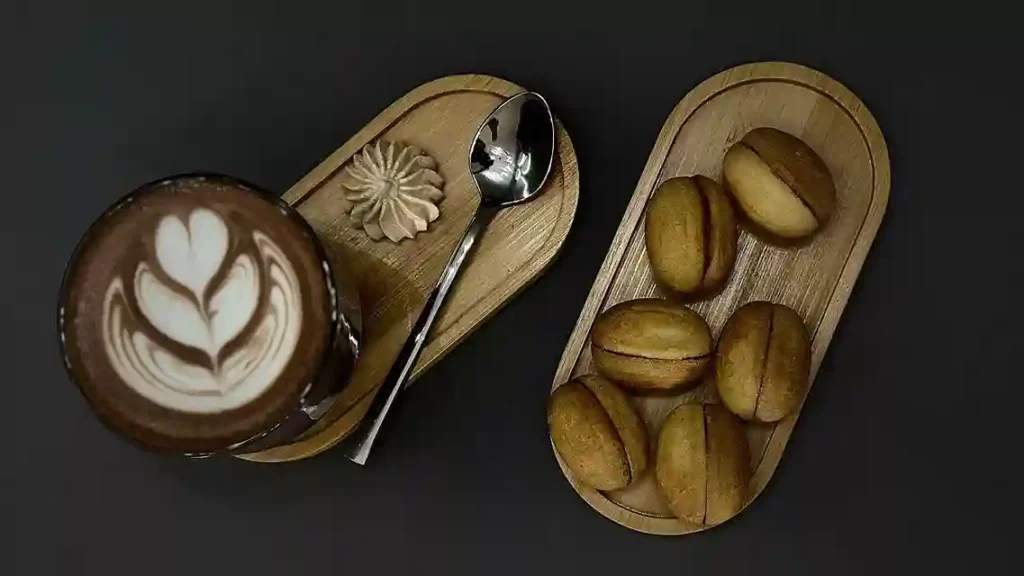
Flavor features and recommended coffee varieties for mocha
| Type of coffee | Region. | Chocolate notes | Rating for mocha |
| Yemeni Mocha | Yemen | Expressed | 5/5 |
| Maracaibo | Venezuela | Chocolate + nuts | 4/5 |
| Brazilian Arabica | Brazil | Soft chocolate | 4/5 |
| Guatemalan Arabica | Guatemala | Rich chocolate | 4/5 |
| Ethiopian Arabica | Ethiopia | Light cocoa | 3/5 |
Yemeni mocha coffee has a complex flavor with a pronounced chocolate aftertaste. This makes it ideal for making an authentic drink. Professionals recommend using 100% Arabica with soft chocolate notes. Espresso for mochaccino is brewed exclusively from Mocha Arabica beans.
Ideal mocha beans should have a dense body, low acidity, and pronounced cocoa notes. Maracaibo from Venezuela combines notes of chocolate and nuts to create a rich flavor profile.
How to make real mocha at home
A professional mocha recipe is based on the exact proportions and correct temperature of the ingredients:
- Make an espresso – use 7-9 g of fine-ground coffee and 30-40 ml of water for one serving
- Prepare the chocolate base – melt 20 g of chocolate or mix cocoa powder with sugar and water until a paste-like consistency
- Put the chocolate base in the bottom of an ice cream glass or tall cup
- Heat milk to 65-70°C (150-180 ml for one serving)
- Whisk the milk with a cappuccino maker or French press until it becomes a fine bubbly foam
- Pour the espresso gently over the chocolate base
- Add the foamed milk in a thin stream, creating layers
- Garnish with whipped cream (50 g) and chocolate chips (10 g)
- Serve immediately in a heated cup
- Add cinnamon to taste for a flavorful accent
Use milk with a fat content of 3.2% and a minimum of 3 g of protein per 100 g for a high-quality foam. A double espresso with 10-20 g of chocolate and 150 ml of frothed milk gives an ideal volume of 250-300 ml.
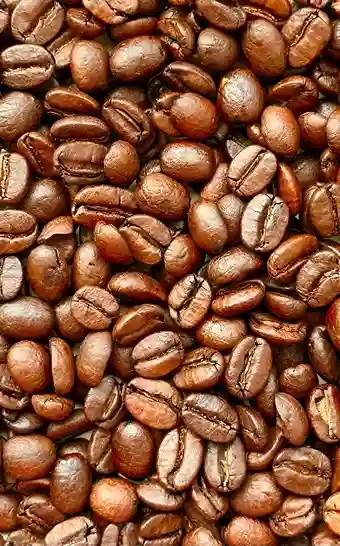
A variety of mocha recipes
The beauty of mocha is the ability to personalize the recipe depending on your taste preferences:
- Dark chocolate mocha – use 1-2 squares of dark chocolate for a rich and slightly bitter taste
- White mocha – 40 g of white chocolate for 2 servings creates a soft and sweet taste with creamy notes
- Mocha with syrup – 45 ml of dark chocolate syrup with coconut (10 g) for a tropical accent
- Classic mochaccino – 50 ml of melted dark chocolate with traditional proportions
- Mocha with marshmallows – add mini-marshmallows instead of whipped cream for a kid-friendly version
Popular toppings include whipped cream, chocolate chips, cinnamon, and grated chocolate. White chocolate in mocha combines espresso with creaminess for a creamy flavor. Dark chocolate emphasizes the coffee notes.
Cappuccino macchiato: secrets of the “spotted” drink
Macchiato means “tarnished” or “spotted” in Italian. Why the name? It accurately describes the essence of this drink – espresso with a small “spot” of milk foam. The name caffè macchiato literally translates as “stained coffee”, which reflects the visual effect of white foam on the dark surface of the espresso.
In Italian coffee culture, macchiato originated as a way to distinguish espresso with milk from pure espresso. Baristas in Italy added a drop of milk to espresso in the 1980s to soften the flavor for guests who were sensitive to the strength of coffee.
Coffee industry professionals distinguish between espresso macchiato (the traditional Italian version) and latte macchiato (a more modern interpretation with more milk). An authentic macchiato consists of 30 ml of espresso and a teaspoon or 15 ml of milk foam.
Traditional macchiato recipe
Proportions of Italian macchiato
- Espresso: 25-30 ml (1 serving)
- Milk foam: 10-15 ml (1 teaspoon)
- Total volume: 35-45 ml
Traditional Italian espresso macchiato is made from a single 25-30 ml shot of espresso. The standard method involves pouring espresso into a cup, then adding 1 teaspoon of milk foam on top. The ratio of espresso to milk in an Italian macchiato is 1 shot of espresso to 15 ml of frothed milk.
The classic recipe uses 30 ml of espresso and 20-25 ml of milk for the foam. Do not mix the espresso and milk – the foam only “stains” the coffee, creating a contrast between the dark coffee and the white foam.
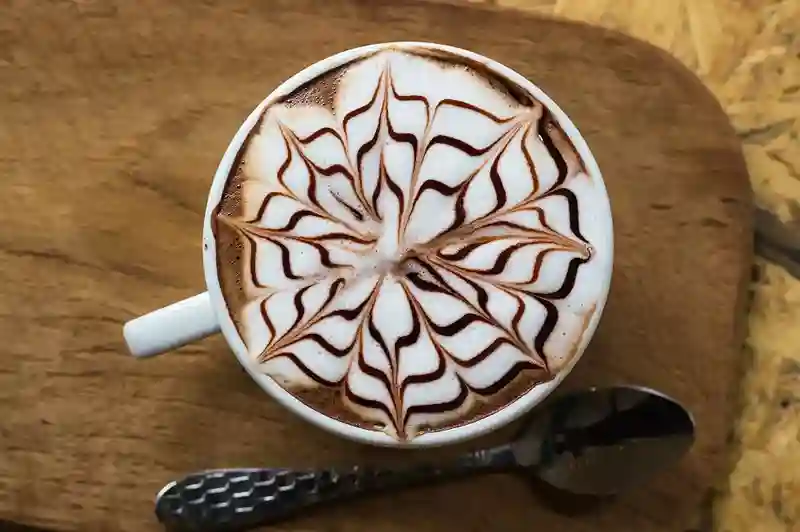
Technique for creating the perfect macchiato
The professional espresso macchiato machine starts by brewing 30 ml of espresso. Then 1-2 teaspoons of thick milk froth is added on top without stirring. The milk foam is whipped to a thick, stable texture using a cappuccino machine, steamer or French press at a temperature of about 60°C.
For espresso macchiato, the foam should create a characteristic “spot” on the surface of the espresso while maintaining the contrast of the layers. The industry standard for macchiato foam is that milk is heated to 60°C, whipped until it doubles in volume with a dense top.
In a latte macchiato, the order is reversed. First, hot milk and foam in a tall glass, then the espresso is poured in a thin stream from above. Amount of foam for espresso macchiato: 20-25 ml of milk or 2 tsp of foam for 30 ml of espresso.
Classic espresso macchiato is served in a 60-80 ml cup immediately after preparation. For foaming, we recommend using full-fat milk in a 100-150 ml jug.
Different interpretations of macchiato among experts
| Expert/Company | Recipe. | Features. |
| Simonelli Group | Espresso + cold/hot milk | Tall glass |
| Saint Espresso | Double espresso + foam | Strong flavor |
| So So Good Coffee | One shot + a spoonful of foam | The classic approach |
| Italian standard | 30 ml of espresso + 15 ml of foam | Traditional |
Lauro Fioretti of the Simonelli Group defines macchiato as espresso with cold or hot milk in a tall glass. Ollie Futcher, head roaster at Saint Espresso, prepares a macchiato as a double shot of espresso with milk foam on top.
Industry experts prepare macchiatos in different ways, reflecting the evolution of the drink from a traditional Italian recipe to modern interpretations.
Modern variations of macchiato
Modern coffee shops have created numerous variations of the traditional macchiato. The most popular of them is Starbucks Caramel Macchiato. This drink is made from frothed milk, a small amount of espresso, caramel syrup, and vanilla flavoring.
- Caramel macchiato – 1 part coffee, 3 parts milk and a drop of caramel
- Vanilla macchiato – a traditional recipe with vanilla syrup
- Cold macchiato – espresso and milk foam served chilled
- Double macchiato – two servings of espresso with proportionally more foam
- Almond macchiato – using almond milk instead of cow’s milk
Starbucks Caramel Macchiato is more like a latte with caramel syrup than a traditional macchiato. Caramel macchiato was invented by a Starbucks barista in the 1990s. However, this drink is fundamentally different from the classic Italian macchiato.
Mocha vs. macchiato: key differences
| Criterion. | Mocha | Maciato |
| Composition | Espresso + chocolate + milk | Espresso + minimum foam |
| Volume | 250-300 ml | 35-45 ml |
| Calorie content | High (150-200 kcal) | Low (15-25 kcal) |
| Caffeine | 60-120 mg | 60-80 mg |
| Taste. | Sweet, chocolatey | Strong, coffee-like |
| Complexity. | Medium | Simple |
A mocha contains 30 ml of espresso, 10-15 ml of chocolate sauce or cocoa, 60-90 ml of milk, sometimes cream and chocolate chips. Macchiato traditionally consists of 30 ml of espresso and 1 spoon of milk foam. Mocha has a sweet flavor with pronounced chocolate notes due to cocoa or chocolate syrup.
Cappuccino has a rich espresso flavor with a light milk accent and a creamy aftertaste from the foam. Mocha has a significant amount of hot milk and foam, while macchiato has only minimal foam. Mocha is a high-calorie dessert drink, while macchiato is low-calorie.
A mocha is often made with two shots of espresso, melted chocolate, and a large portion of frothed milk in layers. Macchiato contains no sugar and preserves the acidity and bitterness of espresso. Typical reactions of tasters: mocha is popular with sweet drinkers, while macchiato is preferred by those who appreciate pure coffee flavor.
Variations and author’s recipes
Coffee industry professionals are constantly experimenting with classic recipes. They create seasonal variations and specialty drinks. The process of developing new recipes includes testing different proportions, types of chocolate and milk.
Author’s variations of mocha are popular:
- Spiced mocha – adding cinnamon, nutmeg and cardamom to a classic recipe
- Lavender mocha – using lavender syrup for a flavorful accent
- Cold mocha frappe – chilled version with ice and whipped cream
- Salted caramel mocha – a combination of chocolate and salted caramel syrup
- Vegan mocha – using plant milk and dark chocolate
Author’s variations of macchiato:
- Honey macchiato – adding natural honey instead of sugar
- Macchiato with coconut – using coconut milk for an exotic flavor
- Spicy macchiato – light flavor of cinnamon and nutmeg
- Orange macchiato – adding orange peel for citrus notes
Seasonal recipes include pumpkin mocha in the fall, mint macchiato in the winter, and berry variations in the summer. Many coffee shops develop their own signature recipes that become the hallmark of the establishment.
Coffee selection and equipment for perfect drinks
For high-quality mochas and macchiatos, professionals recommend 100% Arabica for a mild flavor or a blend of 70-80% Robusta for density and foam.
Recommended varieties:
- Matari – beans with notes of bitter chocolate and mocha spices
- Haimi – beans with notes of caramel, honey and vanilla for mocha
- Lavazza Espresso Italiano Classico – suitable for espresso, cappuccino and latte in coffee machines
For coffee makers, we recommend a fine grind for the perfect flavor. The blend of Arabica and Robusta provides a balance of flavor and foam quality for milk drinks.
Top coffee machines with a cappuccino machine:
- JURA E6 is the leader of the rating with a score of 92%
- ATVEL A6 – 1st place among automatic coffee machines for bean coffee
- Nivona CafeRomatica – 2nd place in the ranking of coffee machines with cappuccino machine
- Tuvio TCM03EA – the best automatic coffee machine with cappuccino machine for home
- Philips EP 0820/00 – one of the top coffee machines for home use
The French press is recommended as the best manual milk frother for macchiato at home. Coffee machines with a frother are suitable for making coffee with milk, including mocha and macchiato.
Common cooking mistakes
The most common mistakes when making mocha and macchiato:
- Improper grinding – too fine grinding leads to clogging of the filter and bitter taste, coarse grinding produces weak coffee
- Improper water proportions – underfilling or overfilling the water chamber disrupts the pressure balance and extraction quality
- Using cold water – causes the moka pot to overheat the coffee beans, which leads to a bitter taste
- Excessive temperature – burns coffee beans and creates a burnt taste
- Tamping of grains – not recommended in moka-pot, as it restricts the flow of water
Professional advice:
- The mocha powder should have the consistency of table salt – medium-fine
- The water in the chamber should reach the safety valve, but not exceed it
- Predictive water heating improves coffee quality
- Use medium-low temperature to avoid burning
- Check the date of roasting the beans – they lose their flavor within a few weeks
The size of the burner should match the size of the mocha pot base for even heating. The right technique and quality ingredients are the key to perfect results.

Conclusion: how to choose your perfect drink
What drink to choose?
- Do you like sweets? → Mocha
- Do you appreciate the pure taste of coffee? → Macchiato
- Would you like a dessert drink? → Mocha
- Need a quick coffee boost? → Macchiato
Mocha is suitable for lovers of sweet drinks due to its pronounced chocolate notes and mild flavor. This dessert drink is ideal for those who want to combine the pleasure of coffee with sweets. Macchiato emphasizes the richness of espresso with a light milk accent, while maintaining an authentic coffee flavor.
The choice between mocha and macchiato depends on your taste preferences and the situation. Mocha is the perfect choice for leisurely enjoyment, while macchiato provides a quick coffee boost without the extra sweetness. Experiment with different recipes and find your perfect coffee drink!
Frequently asked questions
What is the difference between mocha and macchiato?
Mocha contains espresso, chocolate and lots of milk, creating a sweet dessert drink with a volume of 250-300 ml. A macchiato consists of espresso and a minimal amount of milk foam (35-45 ml), preserving a strong coffee flavor with a light milk accent.
What is mocha?
Mocha is an Italian coffee drink that combines espresso with chocolate (syrup or cocoa) and frothed milk. The name comes from the Yemeni port of Al-Moka, where coffee beans with natural chocolate notes were exported. It is a dessert drink with a rich sweet flavor.
What is macchiato?
Cappuccino (“spotted” in Italian) is a traditional Italian drink made from espresso and a small amount of milk foam. The classic recipe includes 30 ml of espresso and 15 ml of foam, creating a characteristic “spot” on the surface of the coffee. It preserves the rich flavor of espresso with a slight milk softening.
How to make the perfect mocha?
Prepare espresso (30 ml), melt the chocolate or mix cocoa with sugar, heat the milk to 65-70°C and whisk until frothy. Put the chocolate base in a cup, pour in the espresso, and add the foamed milk in a thin stream. Garnish with whipped cream and chocolate chips.
How is a traditional Italian macchiato made?
Prepare one shot of espresso (25-30 ml) in a small cup. Whisk a small amount of milk to a thick foam at 60°C. Add 1-2 teaspoons of the foam on top of the espresso without stirring. Serve immediately in a 60-80 ml cup to preserve the temperature and flavor.
What is the history of mocha coffee?
Mocha originates from the Yemeni port of Al-Moka, which was the main center of the world coffee trade from the 15th to the 17th centuries. Yemeni beans had natural chocolate notes, which gave the modern drink its name. European traders specially ordered “coffee from Moka,” and later the Italians created the drink by combining espresso with chocolate.
What is the history of macchiato coffee?
Macchiato was invented in Italy in the 1980s as a way to soften the intensity of espresso. Baristas added a drop of milk foam to espresso, creating a characteristic “spot” (macchiato means “spotted” in Italian). This allowed them to distinguish espresso with milk from pure espresso and satisfy guests who were sensitive to the strength of coffee.
What does mocha consist of?
A classic mocha includes espresso (30-60 ml), chocolate syrup or cocoa (10-20 g), hot frothed milk (150-180 ml), and whipped cream for garnish. European variations use more milk and melted chocolate instead of syrup. The total volume is 250-400 ml, depending on the recipe.
What does macchiato consist of?
Traditional Italian macchiato consists of only two ingredients: espresso (25-30 ml) and milk foam (10-15 ml or 1-2 teaspoons). The ratio of espresso to milk is approximately 2:1, which preserves the dominant coffee flavor with a slight milk accent. The total volume does not exceed 45 ml.
What are the best additives for mocha coffee?
Popular toppings include whipped cream, grated chocolate, chocolate chips, cinnamon, and cocoa powder on top. For flavor variations, vanilla extract, caramel syrup, almond extract, or coconut flakes are added. Seasonal additives: mint in winter, lavender in summer, pumpkin spice in autumn. Marshmallows are popular in children’s versions.