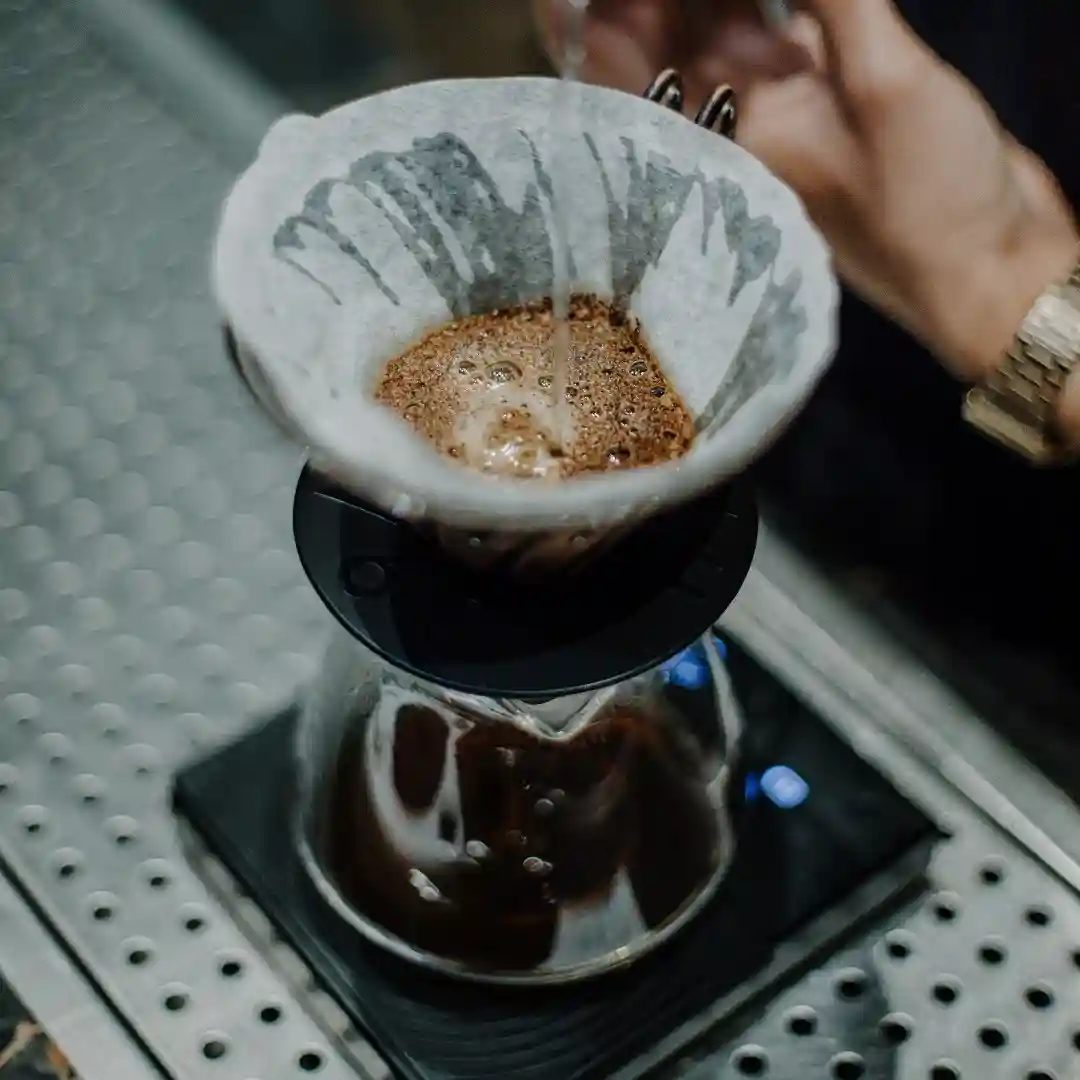
According to research, this dictum will be understood by about a third of humanity.
Within 4 minutes of the first sip of morning coffee, you have to defecate. For many people, this reaction is predictable, and so they try to drink the first cup of the drink at home.
This phenomenon is still being studied. It has already been proven that the reaction does not depend on the presence of caffeine. Decaffeinated coffee stimulates the body in exactly the same way.
What other factors can cause this desire?
In this article, we’ll look at the effects of coffee on the intestines, kidneys, and nervous system.
The speed of the drink’s effect on the body
Studies show that the effect after consumption can appear within 4-5 minutes. This is due, in part, to the fact that the body reacts to the hot drink entering the stomach.
After the first sip, the nervous system is activated and digestive processes are initiated. For many people, coffee stimulates the intestines almost instantly. This makes them want to go to the bathroom even before caffeine enters the bloodstream.
The speed of the reaction depends on many factors: genetics, the state of the digestive system, regularity of consumption, and time of day. Some people have a slow reaction, while others have an impulse to visit the restroom almost automatically.

Effects on the digestive system
The main reason for this reaction is the effect of the drink on the stomach and intestines. Drinking coffee stimulates the production of stomach acid, which makes the digestive system work more actively.
Coffee also affects intestinal motility. The wave-like contractions move food through the digestive tract, as a result of which the intestinal contents move faster, and the body signals the need to use the toilet.
Another important mechanism is the gastrocolic reflex. This is a natural reaction of the body when the large intestine activates its work after ingestion of food or a hot drink. That’s why even a small cup of coffee can make you want to have a bowel movement.
Interestingly, drinking coffee on an empty stomach often enhances the effect. When the stomach is empty, the body reacts faster to stimulation, and nerve signals are more actively transmitted to the intestines.

Not only caffeine is responsible for the effect
Many people think that it’s all about caffeine. In fact, this reaction is also caused by other components of coffee drinks. For example, chlorogenic acid. This natural compound stimulates the production of gastric juice and affects intestinal motility.
Various oils and bioactive substances also affect digestion. That is why drinking even a decaf drink has a laxative effect.
The temperature of the drink also plays an important role. Hot drinks irritate the stomach receptors more than cool drinks, so the body’s reaction can be more intense.
Diuretic effect of coffee and kidney function
In addition to its effect on the intestines, the cereal drink also has a diuretic effect. Caffeine stimulates the kidneys and accelerates urine production. For this reason, a person may use the restroom more often after drinking a cup of coffee.
Caffeine can increase the urge to urinate, so even a small amount of fluid sometimes makes you want to go to the bathroom faster.
When consumed in moderation, the drink does not cause severe dehydration. However, excessive consumption can disrupt the body’s fluid balance, especially if a person does not drink enough water during the day.
In those who drink coffee regularly, the body adapts to caffeine and over time, the diuretic effect becomes less pronounced.
Individual characteristics of the reaction to coffee
The gut microbiome is a collection of beneficial microorganisms in the intestines that affect digestion, immunity, and the body’s response to food and drink. This set is individual, as is the response to peristalsis and the rate of caffeine absorption.
In addition to genetics, habits also have an impact. If a person drinks coffee infrequently, the stimulation of the intestines and bladder is usually felt more strongly. In addition, a morning cup often has a more intense effect than an afternoon cup, because the digestive system is more sensitive after waking up.
When to pay attention to symptoms
In most cases, this reaction is completely natural. However, sometimes excessive urge to go to the bathroom, abdominal pain, or diarrhea can indicate digestive problems.
People with irritable bowel syndrome should be especially careful. For them, the drink can provoke spasms. If the symptoms are accompanied by pain, heartburn, or severe bloating, it is advisable to consult a doctor to rule out gastritis, high acidity, and other diseases.
How to reduce the effect of coffee on the body
Prefer mild varieties with less acidity. Do not drink coffee on an empty stomach and supplement it with food. This will help to reduce the activity of the gastrocolic reflex.
It is also worth controlling the amount of caffeine and remembering to drink enough water.

Conclusion
The fact that after drinking coffee drinks, you feel the urge to go to the toilet is a completely natural reaction of the body. This is influenced by a combination of factors, including caffeine, chlorogenic acid, the temperature of the drink, and the functioning of the intestines and kidneys.
For most people, this reaction is not dangerous. The main thing is to be attentive to how you feel. Then coffee will remain a source of vigor without unnecessary discomfort.