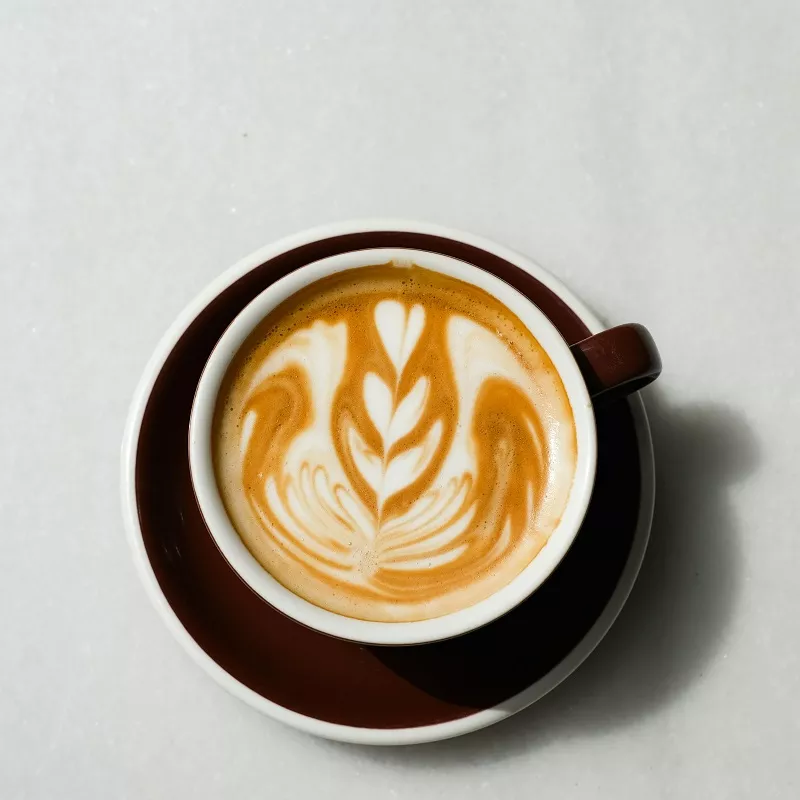
Cappuccino is the art of balancing espresso and milk. Choosing the right coffee beans forms the basis of a drink with a deep flavor and velvety texture.
Professional baristas know that not all beans are equally suitable for cappuccino. Espresso must be able to withstand the interaction with milk while maintaining its character.
Key points of the article
- Criteria for choosing coffee for dairy drinks
- Rating of the best cappuccino brands
- Professional cooking techniques
- Rules for storage and quality assessment
Why choosing coffee for cappuccino is different from other brewing methods
Cappuccino requires a special approach due to the unique interaction between espresso and milk. Unlike black coffee, milk drinks require beans with a fuller body and a balanced flavor profile.
Milk doesn’t just dilute coffee – it creates a new flavor composition. The coffee must have enough intensity to “break through” the milk base.
Professional standards recommend grains with low acidity and chocolate notes for dairy beverages Source: SCA Standards.
How coffee interacts with milk
Milk contains proteins, fats and natural sugars. Caffeine and chlorogenic acids react with milk proteins to create a complex balance.
Fats envelop bitter coffee compounds, softening them. Lactose enhances sweet notes, especially those that develop during roasting.
Why is temperature so important? When milk is heated to 60-65°C, chemical changes occur that affect the formation of foam.
Fruit profiles can get lost, while cocoa notes create synergy with milk.
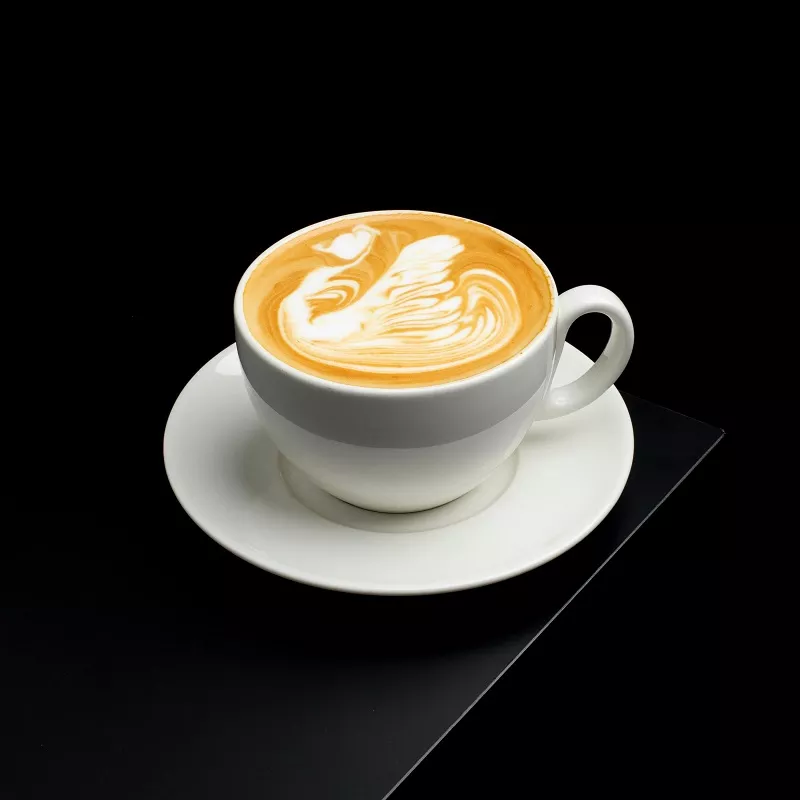
The main criteria for choosing the best cappuccino coffee
The choice is based on four key factors. Roasting affects the development of flavor compounds and their ability to interact with milk.
The origin of the beans shapes the basic profile – some regions produce coffee with characteristics ideal for dairy drinks. The balance of Arabica and Robusta affects the intensity and quality of the cream.
Freshness of roasting is crucial for preserving flavorful oils.
The main selection criteria:
- Degree of roasting (medium to dark)
- Origin of grains (regions with low acidity)
- Arabica/robusta ratio
- Freshness and storage conditions
Roast degree: which is the best for cappuccino
Roasting changes the characteristics of the beans. Medium roasting develops nutty and caramel notes that blend harmoniously with milk.
Dark roasting creates intense smoky notes with minimal acidity. Professional roasters often use it for espresso blends.
What about light roasting? It retains its unique characteristics, but is often too delicate for dairy drinks.
| Degree of roasting | Effect on cappuccino | Recommendations. |
| Light | Strong acidity can conflict with milk | Not recommended |
| Average | Balanced flavor, nutty notes | Ideal for the majority |
| Dark | Intense flavor, minimal acidity | Suitable for rich cappuccino |
Origin of grains: how the region of cultivation affects the taste of milk
Central America produces beans with moderate acidity and a balanced profile. Guatemalan coffee has fruity and chocolate notes that perfectly complement milk.
Costa Rican beans are characterized by a clean profile. Salvadoran coffee offers mildness with low acidity.
Ethiopia, despite its reputation as the birthplace of coffee, often has a too bright fruit profile. Delicate floral notes can get lost in milk.
Brazil and Colombia are traditionally used in espresso blends. Their full body and cocoa notes are enhanced when blended with milk.
Arabica vs Robusta: the perfect balance for the perfect cappuccino
Arabica and Robusta are fundamentally different. Robusta contains twice as much caffeine (2.2-2.7% vs. 1.2-1.5% in Arabica) Source: NCBI.
Robusta is used in blends in proportions of 10-30% for espresso. It creates a dense crema, an important element for cappuccino.
Italian tradition suggests using blends with 20-50% robusta. The high quality of modern robusta allows us to create blends with minimal bitterness.
Advantages and disadvantages:
- Arabica – complex flavor, low bitterness, delicate creaminess
- Robust – intense, long-lasting creaminess, high caffeine
- Mix – the perfect balance of flavor and texture
- Pure Arabica – delicate flavor, less resistance to milk
Balanced flavor and texture
The balance between acidity and bitterness shapes the ability of coffee to blend with milk. Baristas evaluate this by tasting the finished drink.
Milk foam should have a velvety texture without large bubbles. The right balance keeps the foam stable.
The perfect texture is achieved when the coffee has enough density for a rich espresso. The bitterness acts as a counterpoint to the sweetness of the milk.
Rating of the best coffee beans for cappuccino
The evaluation is based on the standards of the Specialty Coffee Association. The methodology includes analysis of aroma, taste, body and milk compatibility.
The grains are tested for their ability to create a stable crema. Lavazza and other brands are evaluated for quality uniformity and price-performance ratio.
The rating takes into account visual characteristics and the balance between espresso and milk.
Robust Street Blend and Africa blend: strength and tenderness in one cup
Our blends with 50% Robusta – Street Blend and Africa blend – are the perfect choice for those who enjoy a rich, non-acidic cappuccino. The classic espresso flavor in combination with frothed milk reveals itself gently and harmoniously, creating a delicate and balanced drink.
Espresso blend is a great choice for cappuccino
Espresso roasted coffee, which contains 80% Arabica and 20% Robusta. Espresso blend gives a rich, balanced flavor and consistently remains a favorite choice of cappuccino connoisseurs.
Colombia Medellin Supremo: the gold standard of Arabica for cappuccino
The classic Colombia Madeline Supremo Arabica is the basis for an impeccable cappuccino. The mild, harmonious taste combined with milk foam creates a real pleasure in every cup.
Decaf Colombia: enjoyment without compromise
Decaffeinated cappuccino allows you to enjoy your favorite flavor even if you avoid caffeine. The beans are roasted in a special mode to preserve the rich aroma and fullness of flavor.
Lavazza Qualita Oro: the perfect balance for a classic cappuccino
Lavazza Qualità Oro is 100% Arabica from Central and South America. The medium-dark roast develops fruity and floral notes.
In cappuccino, Qualità Oro creates a balanced flavor without excessive acidity. The milk complements rather than masks the coffee notes.
The stability of the cream ensures the correct texture of cappuccino.
Illy Classico: exquisite Italian taste in your cup
Illy Classico presents premium pure Arabica. The unique roasting technology develops notes of chocolate and caramel.
Illy creates a soft texture with a delicate flavor in cappuccino. The Italian roasting tradition allows it to be harmoniously combined with milk.
Stable cream maintains the correct structure of the drink.
Movenpick Caffe Crema: Swiss precision in every cup
Movenpick Caffe Crema embodies Swiss quality standards. The beans are selected from Central America.
The roasting process develops notes of milk chocolate and nuts. In cappuccino, this coffee creates a rich but balanced flavor.
The cream has an optimal density for proper serving.
Lavazza Crema e Aroma: the perfect creamy foam for a luxurious cappuccino
Lavazza Crema e Aroma is a balanced blend of Arabica and Robusta. Robusta increases the density of the crema and the stability of the foam.
The optimal proportions for dairy beverages provide a balance between the mildness of Arabica and the strength of Robusta.
This mixture perfectly supports the process of creating milk foam.
Other worthy options: coffee that deserves attention
Lavazza Espresso Perfetto is designed for home espresso machines. Kimbo Espresso Napoletano represents the traditional Italian approach.
For organic coffee lovers, Lavazza Tierra Bio-Organic is worth considering – certified organic beans.
Alternative brands:
- Lavazza Espresso Perfetto – stability for home use
- Kimbo Napoletano – traditional Italian flavor
- Lavazza Tierra – organic coffee
- Segafredo Zanetti – a classic Italian blend
Where to buy the best cappuccino beans
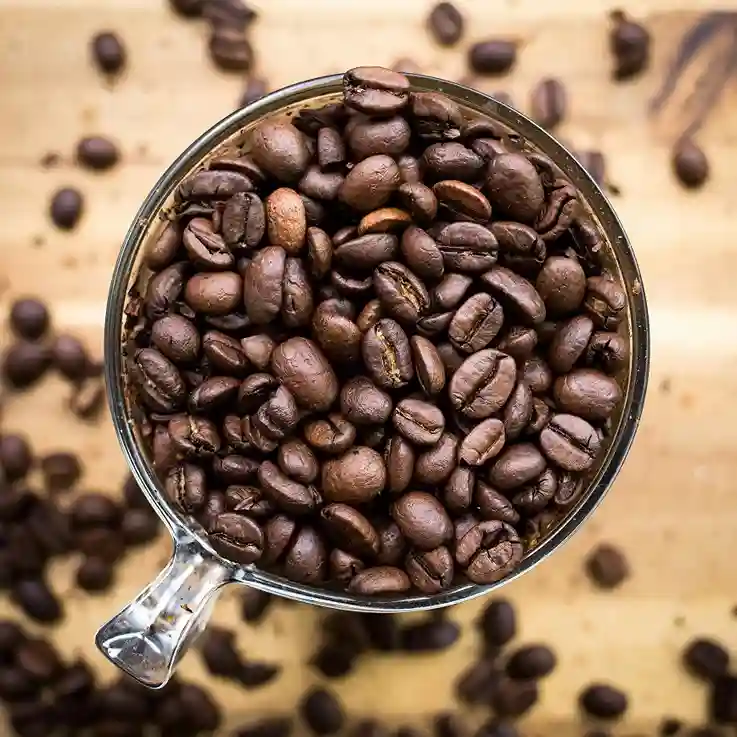
Choosing a reliable supplier is important to ensure quality. Specialty coffee shops offer the freshest coffee with roasting information.
Lavazza and other brands ensure quality control through official distributors. Online stores often offer the widest selection.
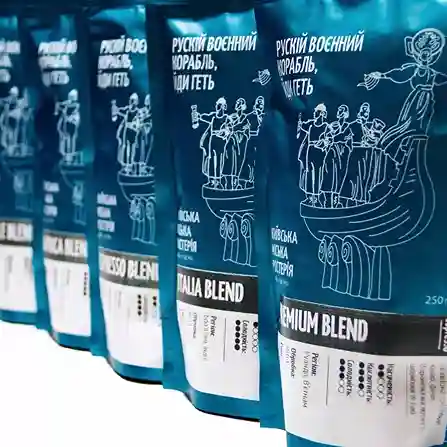
In the online store of Kyiv City Roastery, you can buy the best varieties of coffee for cappuccino – from classic balanced blends to bright aromatic arabica. We select the beans so that they blend perfectly with milk, revealing notes of chocolate, caramel, and nuts. If you are not sure about the choice, our managers will be happy to help you choose the coffee that suits your taste preferences and brewing method. Order online and enjoy your favorite cappuccino at home
Tips for choosing a place to buy:
- Check the roasting date (no older than 2-4 weeks)
- Choose stores with a high turnover of goods
- Avoid exposing grains in transparent packaging to the sun
- Give preference to specialized stores
Tips for making the perfect cappuccino at home
It requires precise proportions. Cappuccino is made from espresso, milk and foam in a 1:1:1 ratio.
Milk interacts best with espresso at 60-65°C. A higher temperature destroys proteins and results in a bitter aftertaste.
The quality of the espresso directly affects the result. Use freshly ground coffee and keep the extraction time at 25-30 seconds.
Steps of preparation:
- Brew a double espresso (60 ml in 25-30 seconds)
- Heat the milk to 60-65°C with foaming
- Pour in the foamed milk in a circular motion
- Serve immediately at 60-70°C
Secrets of a professional barista: how to unleash the full potential of your coffee
Professional baristas use the exact 1:1:1 ratio for a classic cappuccino. The best quality milk has a fat content of 3.2-3.5%.
The blending technique affects the texture. Start from a high position for blending, then zoom in for patterning.
The time between making the espresso and adding the milk should not exceed 10-15 seconds. This preserves the cream and temperature.
Even with home machines, you can achieve excellent results if you follow the basic principles. Espresso is 70% of the success of a drink.
How to properly store coffee beans to preserve flavor
The grains need to be sealed in an airtight container in a dark place. Store in a cool, dry place protected from light.
Optimal containers include mylar bags with oxygen absorbers or vacuum systems. Avoid the refrigerator due to the risk of condensation.
Volatile fragrance oils oxidize quickly when exposed to air. Minimize exposure by using small portions.
Practical advice:
- Store at a stable, cool temperature
- Use airtight containers with a valve
- Avoid transparent packaging and direct light
- Buy grains in small portions

How to assess the quality of cappuccino coffee
The assessment is based on professional capping standards. The beans must demonstrate the absence of defects and uniformity of roasting.
Visual evaluation of espresso includes the analysis of the crema – dense, brown with golden highlights. Walnut is often found in high-quality cappuccino beans.
The flavor profile is evaluated for pure espresso and finished cappuccino. The fruit profile can be positive if it is balanced with milk.
The aftertaste should be clean and long. The quality of the beans directly affects the characteristics of the drink.
Conclusion
Вибір найкращої кави для капучино поєднує розуміння взаємодії між кавою та молоком. Зерна з унікальним смаковим профілем повинні гармонійно доповнювати молочну основу.
Cappuccino is made with espresso as the foundation, so the quality of the beans is the key to success. A balanced approach takes into account the origin, roasting and ratio of Arabica-Robusta.
Experimenting with different brands will help you find the perfect coffee for your preferences. Investing in quality beans always pays off in the finished drink.
Frequently asked questions
What is the best cappuccino bean coffee?
The best blend is a mixture of Arabica and Robusta (70-80% to 20-30%) of medium roast. Lavazza Qualità Oro, Illy Classico demonstrate an optimal balance of flavor and the ability to create a stable cream for dairy drinks.
What are the criteria for choosing cappuccino beans?
Key criteria: roast degree (medium to dark), origin with low acidity, balanced ratio of Arabica to Robusta, freshness of roast. Milk compatibility and flavor profile stability are also important.
What brands of coffee beans are best for cappuccino?
Leading brands: Lavazza (Qualità Oro, Crema e Aroma), Illy Classico, Movenpick Caffe Crema. These brands offer balanced blends of Arabica and Robusta with optimal creaminess and flavor balance.
What degree of roasting is best for cappuccino?
Medium and medium-dark roasts are optimal because they develop nutty and chocolate notes with moderate acidity. Dark roasting creates an intense flavor, while light roasting can be too delicate for dairy drinks.
What is the ideal ratio of Arabica to Robusta for cappuccino?
The optimal ratio: 70-80% Arabica and 20-30% Robusta. Arabica provides a complexity of flavor, while Robusta adds intensity and creates a dense cream, which is important for the cappuccino texture.