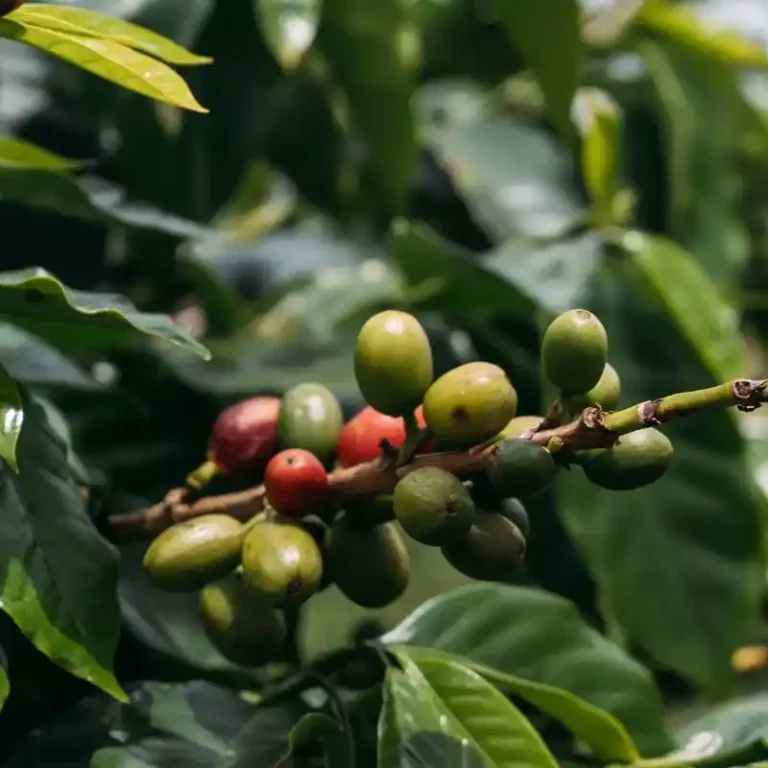
A coffee cherry consists of 4 main layers: the bean itself, covered by a silvery skin (called the silverskin), the parchment layer, covered by mucilage, and the pulp. Let’s talk about each of these layers.
The pulp is what gives the berry its red or yellow color, and it is what is used to make cascara. The pulp can best be compared to the edible part of a cherry.
Glue is a sticky, gel-like, colorless substance that covers the parchment. Glue is extremely rich in sugars and feels very sticky to the touch. Glue is often confused with pulp. The varying amounts of mucilage that remain on the parchment during drying after depulping have allowed Central American producers to distinguish several types of hani processing—yellow hani, red hani, and so on. The amount of gluten, its texture, and sugar content vary from variety to variety.
The parchment, or parchment layer, is the hard outer layer that encloses the coffee bean. Parchment serves as excellent natural protection for the bean and shields it from fluctuations in ambient humidity, which are harmful to processed beans. Hulling of the parchment is almost always carried out immediately before export. The term “parchment” is often used to refer not only to the husk itself but also to the bean enclosed within the parchment husk.
The silver skin is a delicate membrane that covers the coffee bean. It is this membrane that turns into chaff during roasting. There is typically more silver skin in Hani-processed coffee than in washed coffee. There is a simple explanation for this. The rise in temperature caused by heat released by bacteria during fermentation in washed processing contributes to the breakdown of the silver skin, and more of it is separated from the bean along with the parchment during hulling.
A coffee cherry usually contains two beans. If there is only one bean, it is called a peaberry.
The Structure of the Coffee Cherry