
Decaffeinated coffee
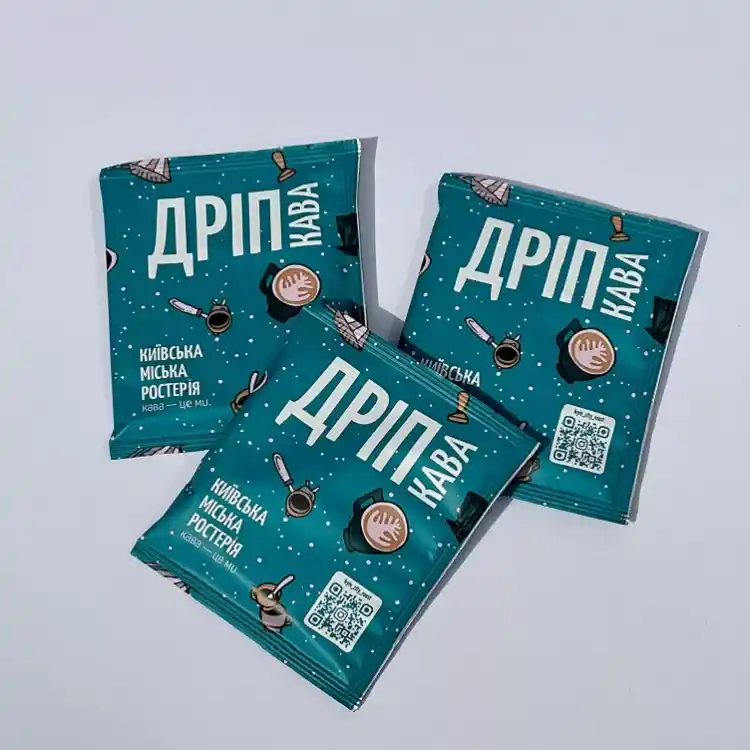

What is decaffeinated coffee and its features
Caffeinated coffee is a coffee drink from which caffeine has been almost completely removed. There are various methods of decaffeination, including using water, solvents or carbon dioxide. The main characteristic of such a drink is its low caffeine content (less than 1 – 2% of the usual content in coffee).
Decaffeinated coffee is growing in popularity. This trend is due to the desire to reduce stress levels or the negative impact on sleep. It is also an alternative for people who, on the recommendation of a doctor, should limit their caffeine intake.
Decaffeinated coffee usually has a milder and less intense taste. Its aroma may be slightly less pronounced.
Methods of making decaffeinated coffee
Among the methods of making decaffeinated coffee, there are cheap and more expensive options, safe, and potentially harmful.
In particular, a process that involves the use of methylene chloride to extract caffeine from the beans. A cheap but not always safe method, as chemical residues can get into the drink.
Swiss Water is a safe method that does not use chemicals. Instead, caffeine is removed using water and special filters, which allows you to preserve the natural taste of the drink. This is an environmentally friendly process, but more expensive.
Carbon dioxide is also used for decaffeination, which removes caffeine from the beans under high pressure. This is an effective and modern technology that preserves the taste of the drink.
The ethyl acetate method is another natural method of decaffeination. Ethyl acetate is found in fruits and berries, so this method is considered organic. It allows you to preserve the taste characteristics of the beans, especially Arabica.
It is important to understand that the decaffeination process always occurs with green, unroasted beans. After removing the caffeine, the beans undergo a standard roasting, which forms the final taste profile of the drink.
Understanding the differences, it is worth giving preference to more expensive methods that do not cause harm and preserve the taste and aroma of coffee beans.
Benefits and harms of decaffeinated coffee
Caffeinated coffee has a number of advantages and disadvantages.
The undoubted advantage of this type of coffee is that it can be consumed by people with hypertension, heart and kidney problems, sleep disorders, anxiety, as well as pregnant women.
However, there are also possible side effects: excessive consumption can cause problems with the gastrointestinal tract, and some people may be allergic to residual chemical components (for example, methylene chloride).
Scientists claim that decaffeinated coffee is safe when consumed in moderation. It does not have the negative effects of regular coffee. However, it is important to choose one processed without the use of chemicals.
Decaf coffee preserves important components of coffee beans: antioxidants, chlorogenic acid and trigonelline. These substances support cardiovascular health and have anti-inflammatory properties. Therefore, even without caffeine, the drink remains beneficial for the body.
Decaf coffee retains important components of the coffee bean: antioxidants, chlorogenic acid and trigonelline. These substances support cardiovascular health and have anti-inflammatory properties. Therefore, even without caffeine, the drink remains beneficial for the body.
How to Choose Quality Decaffeinated Coffee
When choosing quality decaffeinated coffee, there are a few key criteria to consider:
Decaffeination method: Choose coffee that has been processed using safe methods, such as Swiss Water or CO2.
Quality decaf coffee has a distinctive flavor and aroma.
Origin of beans: The best decaf coffee is made from high-quality Arabica. Pay attention to the country of origin of the beans – Colombia, Brazil and Ethiopia are famous for their quality decaffeinated products.
Label: Check the ingredients on the label. Decaffeinated coffee should contain only coffee beans. If the label indicates that methylene chloride or other chemical solvents were used, it is better not to buy such a product.
Buy coffee in specialized stores or from producers who use certified decaffeination methods. If the coffee has an organic label, this indicates high quality.
The best brands of decaffeinated coffee in 2025
When choosing, it is important to focus on personal preferences and choose products from proven manufacturers who use safe methods of processing 100% Arabica. This type of grain is best suited for decaffeination, preserving a mild taste and rich aroma.
The decaffeinated coffee market offers a number of quality brands, including Lavazza, Dallmayr Prodormo and other brands of the global coffee industry.
If you value quality, taste, and choose a Ukrainian manufacturer with a long-standing reliable reputation, pay attention to the products of Kyiv City Roastery. The consistently high popularity of our decaffeinated coffee among customers indicates its quality and trust in the company.
How to prepare it correctly
It is worth grinding the grains immediately before cooking, using medium or coarse grinding, depending on the cooking method.
For brewing, it is recommended to use water with a temperature of about 90–95°C. High temperatures can make the drink more bitter, while low temperatures can make it less pronounced.
Recommended brewing methods:
Espresso is the ideal way to brew decaffeinated coffee for those who like a full, intense flavor. It is important not to overdo it with coffee to avoid excessive bitterness.
For a milder flavor, you can use the filter method. It allows the coffee to release its flavors gradually.
Coffee brewed in a Turkish coffee maker will have a deep, rich flavor with a slight bitterness. Pay attention to the exact amount of coffee and water to get the best result.
Baristas recommend choosing decaffeinated coffee made from high-quality coffee beans processed using methods that preserve the flavors.
For filter coffee and Turkish coffee, 1–2 tablespoons of coffee per 200 ml of water are usually used. For espresso, 18–20 grams per serving.
Popular recipes with decaf coffee:
Decafe latte: Make espresso from decaffeinated coffee, add warmed milk and a little foam.
Americano: Brew coffee using the espresso method, add hot water for a milder taste.
Caffè s’alto: Classic recipe from a Turkish or filter, add milk to taste for a milder taste.
Where to buy quality decaffeinated coffee
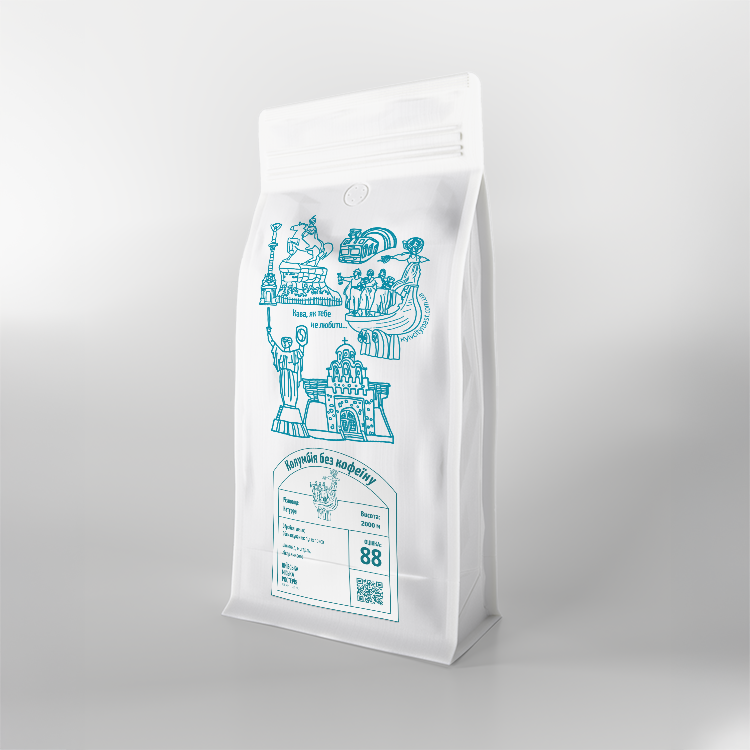
After years of searching for the best grain variety and processing method, Kyiv City Roastery decided to offer one option, but one that will completely satisfy the most demanding customers with its aroma and taste – 100% decaffeinated Colombian Arabica in whole and ground beans. We use only safe decaffeination methods that preserve the natural antioxidants and flavor of the grain.
Our specialty store offers freshly roasted coffee in high-quality packaging that will preserve its freshness, aroma and taste for a long time.
Choose the desired product, add to cart, proceed to checkout, indicating the necessary delivery data and a convenient payment method.
Our managers will be happy to advise on any issues, from the selection and design of the product to brewing methods and necessary accessories.
Answers to frequently asked questions
Is decaf coffee completely caffeine-free?
Typically, the caffeine content in the drink is about 0.1% of the total mass of the grain.
How does the taste differ from regular coffee?
The drink may be softer and less intense compared to regular coffee.
How long does decaffeinated coffee last?
Decaf coffee can be stored for up to 6-12 months in an airtight container at room temperature.
Can decaffeinated coffee cause sleep problems?
No, because it contains very little caffeine.
What is the difference between decaffeinated and decaffeinated coffee?
Decaffeinated coffee contains less caffeine than regular coffee, but more than decaf coffee, and does not undergo the full decaffeination process.
Which Arabica is best for decaffeination?
To produce high-quality decaf coffee, 100% Arabica from high-altitude regions is used. Green beans from Colombia, Brazil, and Ethiopia tolerate the decaffeination process best, while maintaining their flavor characteristics.
Does decaffeinated coffee have the same beneficial properties as regular coffee?
Yes, decaffeinated coffee has the same antioxidant and other properties as regular coffee, but without the stimulating effects of caffeine