Latte: History and subtleties of the art of cooking
What is latte
A delicious espresso-based coffee drink with a large amount of milk has been among the top favorite milk and coffee cocktails for decades. This combination creates a mild and delicate flavor. The name comes from the Italian word “caffè latte”, which literally means “coffee with milk”. The main difference from other coffee drinks is the ratio of ingredients: usually 1 part espresso to 3-5 parts milk. The combination of creamy texture and mild flavor has become a favorite among coffee connoisseurs around the world.
Origin and development of the recipe
The history of the drink is linked to mid-20th century Italy. At first, it was prepared at home for family consumption, combining freshly brewed coffee with hot milk. In the 1950s and 1960s, latte became popular in Italy and gradually spread throughout Europe. American coffee culture in the 1980s added new variations of the coffee cocktail, including flavored and festive recipes that have now become classics in coffee shops in the United States and around the world.
Today, latte occupies an important place among the most popular coffee drinks in the world, standing on a par with cappuccino, Americano, and macchiato. In the modern coffee industry, it has become a true symbol of sophistication and aesthetic approach to coffee brewing. The latte is not only distinguished by its mild, balanced taste, but also by its appearance: skillful patterns on the surface of the milk foam, latte art, turn an ordinary cup into an element of creativity and individual barista style.
In the international coffee culture, it is considered a drink that combines the aromatic depth of espresso, the delicate texture of whipped milk and the aesthetic pleasure of serving. It is this harmony of taste, aroma and visual design that has made this variant of coffee with milk one of the most striking symbols of the modern coffee era, combining the traditions of craftsmanship and gastronomic fashion trends.
Differences from other coffee drinks
Although latte belongs to the group of milk and coffee drinks, it differs significantly from cappuccino and macchiato in terms of flavor, structure, and proportions of ingredients. A proper understanding of these differences helps to create a drink with the desired flavor profile and texture.
Cappuccino is a drink that combines espresso, hot milk, and milk foam in approximately equal parts. This ratio gives cappuccino a richer coffee flavor and a dense, airy foam that together create a sense of volume and depth.
Cappuccino, on the other hand, is almost pure espresso, “marked” with a small amount of milk or foam. In this drink, the leading role is played by the coffee flavor, which retains its intensity and distinct concentration.
Latte is characterized by a large amount of milk and a delicate, creamy texture. Its flavor is more delicate than cappuccino and especially macchiato, making it a versatile drink and popular among those who prefer less strong coffee compositions.
A classic latte is prepared in the ratio of one portion of espresso (30-40 ml) to 200-300 ml of hot milk. This proportion ensures an optimal balance. The coffee remains noticeable, but does not dominate, and the softness of the milk creates a rounded, harmonious taste.
For those who like a more intense flavor, you can add a double portion of espresso, but in this variation, the drink will lose some of its classic softness and become closer to macchiato or flat white in taste.
One of the key characteristics that distinguishes latte from other coffee drinks with milk is the structure of the foam – it is thin, elastic and silky, formed from micro-foam with small, uniform bubbles.
In cappuccino, the milk foam is much denser, lighter, and more voluminous, which gives the drink its characteristic “airiness.”
In macchiato, the amount of foam is minimal or absent altogether, as espresso plays the main role in the drink.
It is the texture of the foam that affects how the milk mixes with the coffee, shapes the flavor palette and determines the visual appeal of the drink. In a latte, microfoam merges seamlessly with the coffee, creating a delicate flavor transition and the perfect base for latte art.

Advantages of making latte at home
The higher cost in establishments is due to the overall cost of maintaining infrastructure and providing service. Making coffee at home is more profitable: one cup can cost 3-4 times less than in a coffee shop. For coffee lovers who drink several cups a day, this is a significant savings.
Making a latte at home avoids preservatives, stabilizers, and other additives that are sometimes added in coffee shops to keep the product fresh for longer. Controlling the ingredients guarantees the drink’s pure flavor and aroma.
Home cooking gives you room for creativity: adding syrups, spices, cocoa, or alternative types of milk allows you to create your own unique recipes. This is especially interesting for those who like to experiment and customize the taste to suit their mood.
Choosing the right ingredients
The choice of ingredients is crucial to the quality of a latte, as it is coffee and milk that shape the flavor balance and texture of the drink. To make a classic latte, it is best to choose Arabica beans. Their mild, slightly sweet taste is harmoniously combined with milk and does not create excessive bitterness. Robusta is used much less frequently, as its distinct bitterness and high acidity can disrupt the delicacy of the milk and coffee composition.
The degree of roasting is equally important. A medium roast optimally emphasizes the flavor of the coffee without destroying the balance of all the ingredients. Dark roasting adds depth and richness, but can sometimes offset the natural tenderness of the milk, making the taste harsher.
To preserve the freshness and flavor of the beans, they should be kept in an airtight container, away from light, heat and moisture. Under the right conditions, coffee retains its flavor potential for 2-3 weeks after opening the package.
You should be equally careful when choosing milk. Classic cow’s milk gives the drink its natural softness and balanced flavor. Plant-based alternatives – almond, soy, oat – add new flavors and change the structure of the foam, making the drink special. To obtain the perfect micro-foam, the optimal fat content is 3.2-3.5%: low-fat milk produces a light, less stable foam, while higher-fat milk makes it thicker and creamier.
For vegan or dietary options, coconut, rice, and almond milk are great, although keep in mind that the ability of different types to create a stable foam can vary significantly.
Equipment required for making latte
To make a latte that is as good as a drink from a professional coffee shop, it is important to have the right equipment. The centerpiece is a coffee machine with an espresso brewing function and a steam nozzle. The machine provides stable pressure during extraction, allowing you to get the right, rich espresso, and also creates the necessary amount of steam to whip the milk to a homogeneous, velvety micro-foam. This technique allows you to control each stage, affecting the taste, temperature and texture of the drink.
When choosing a coffee machine, you should pay attention to several technical parameters that directly affect the quality of the finished drink. The optimum pump pressure should be at least 9 bar, as this is the indicator that ensures proper espresso extraction. The power and stability of the steam supply determine the quality of milk frothing. Equally important is the ease of cleaning. High-quality coffee machines have self-cleaning programs. An additional advantage may be the availability of automatic modes that help maintain the stability of the result.
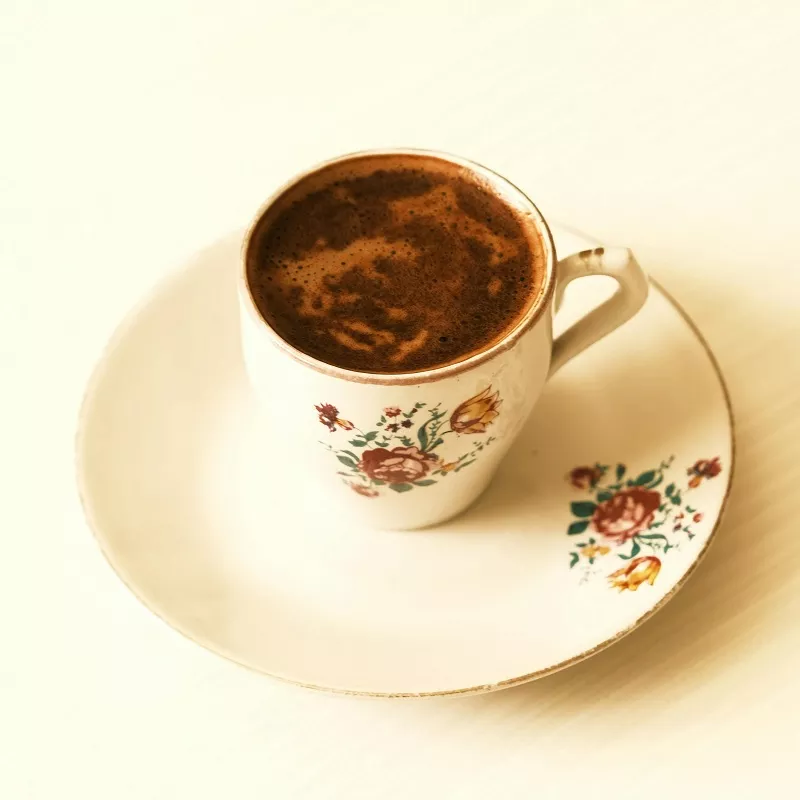
If you don’t have professional equipment, you can still make a delicious latte. To get a strong coffee that is as close to espresso as possible, you can use a turk, geyser coffee maker, or French press. Milk can be frothed in different ways: with a hand frother, whisk, or even an ordinary glass jar. Although these methods do not produce perfectly professional microfoam, they allow you to create a homemade version with a pleasant texture and well-balanced flavor.
Step by step classic recipe
The right proportions:
Espresso: 30-40 ml
Milk: 200-250 ml
Espresso brewing technique:
The beans are ground to a medium grind, pressed firmly into the portafilter and the espresso is extracted for 25-30 seconds.
The milk is heated to 60-65 °C, the steam tube is immersed and whipped until fine, silky microfoam appears.
First, fresh espresso is poured into the cup, and then milk is gently added, forming an even layer of delicate foam on top. For a cleaner and more aesthetically pleasing result, you can use a spoon to direct the foam to the surface.
Secrets of the perfect drink from professional baristas
For a perfect latte, milk should be heated to 60-65 °C, as this temperature preserves the natural sweetness and creates a delicate, creamy foam. Overheated milk loses its flavor, becomes bitter, and destroys the texture of the drink.
During frothing, it is important to position the steam tube correctly: its tip should be just below the surface of the milk to create fine bubbles. Gentle rotation of the pitcher ensures even microfoam.
Espresso and milk should be combined as soon as possible after brewing to maximize flavor and freshness.
To avoid common mistakes, baristas advise not to overheat milk, not to whip it for too long, and to carefully observe the proportions.
Alternative brewing methods without a coffee machine
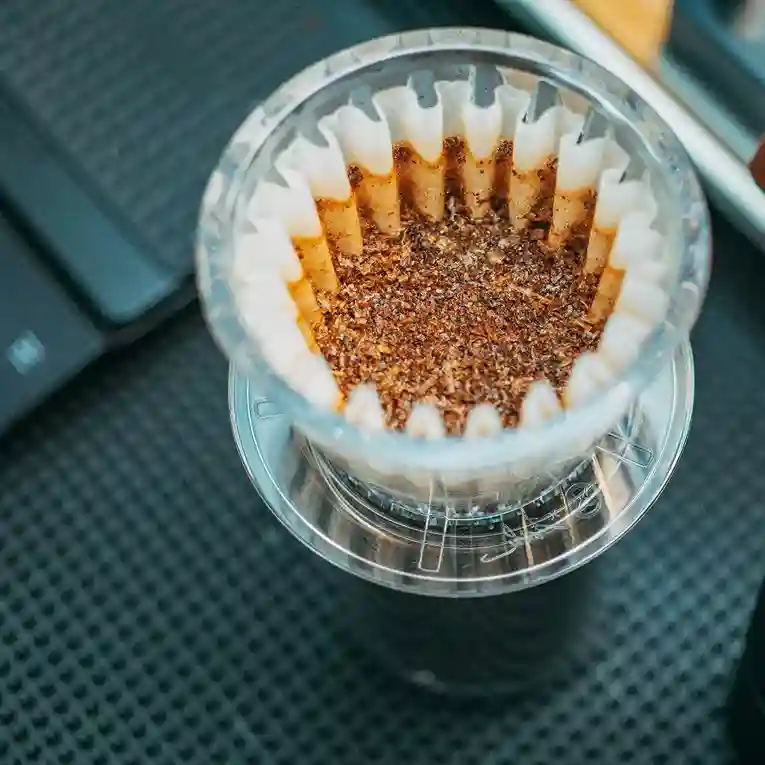
You can make a delicious latte with a drip or geyser coffee maker even without a coffee machine: you brew the coffee in the usual way and then combine it with preheated milk. The milk for the drink can be easily whipped without professional equipment. A hand whisk, a small coffee frother, or even an ordinary glass jar with a lid that needs to be shaken vigorously several times until soft foam appears will do the trick. The recipe doesn’t change much: it’s important to keep the proportions, control the temperature, and whip the milk until it has a smooth, creamy texture. Attention, high-quality beans, and the right temperature will make your latte as good as the one you’d get at a coffee shop.

Latte variations with different additives
Variations with different additives allow you to adapt the drink to the season, mood and taste preferences of the consumer.
The caramel drink has a thick sweetness and soft creaminess, especially when using salted caramel or toasted sugar topping; winter combinations with cinnamon, ginger, nutmeg or turmeric make the latte more warming, with a spicy aroma and a light spicy aftertaste; fruit and berry variations add sourness or fresh sweetness, even changing the color of the drink; and holiday recipes with Irish cream, alcoholic or non-alcoholic, give the cocktail a thicker texture and rich dessert profile that is best revealed in combination with warm milk or plant-based alternatives.
The basics of latte art
Drawings on the surface of the drink make it more visually appealing. The most common basic techniques are heart, leaf, and feather, which are formed by precisely controlling the movement of milk during pouring. Beginners are advised to use medium-fat milk, pour it slowly and evenly, and practice with small portions to learn how to feel the texture and control the flow.
Proper presentation and presentation
Proper serving and presentation of latte involves careful choice of tableware, it is better to use transparent glasses of 250-350 ml, which emphasize the layers of milk and coffee; the optimal temperature of the drink is 60-65°C, which allows you to enjoy the taste without burning your tongue; decorative elements and additions, such as chocolate chips, cocoa powder or a small amount of spices, make the serving more attractive and festive.
Equipment maintenance
Equipment maintenance includes daily cleaning of the coffee machine, removal of coffee and milk residues, and rinsing of nozzles and tanks.
Regular preventive maintenance includes decalcification, checking the filters and pump pressure.
Compliance with these recommendations and manufacturer’s instructions extends the service life of the equipment and ensures its efficient operation for 5-10 years.
Frequently asked questions
Is it possible to make decaf latte?
Yes, decaffeinated coffee retains the rich flavor of the drink.
How long can the ingredients be stored?
Coffee beans retain their quality best within 2-3 weeks after opening, milk – 2-5 days, always in the refrigerator.
How many calories are in a drink?
It depends on the milk and syrups; a classic latte using 3.2% milk contains about 120-150 kcal per 250 ml. How to choose the right coffee beans?
Choose fresh, medium-roasted Arabica beans. Be sure to pay attention to the tightness of the packaging, the date of roasting, and the country of origin. This approach guarantees high-quality coffee that will taste just right for you.