Ethiopia and the history of coffee origin
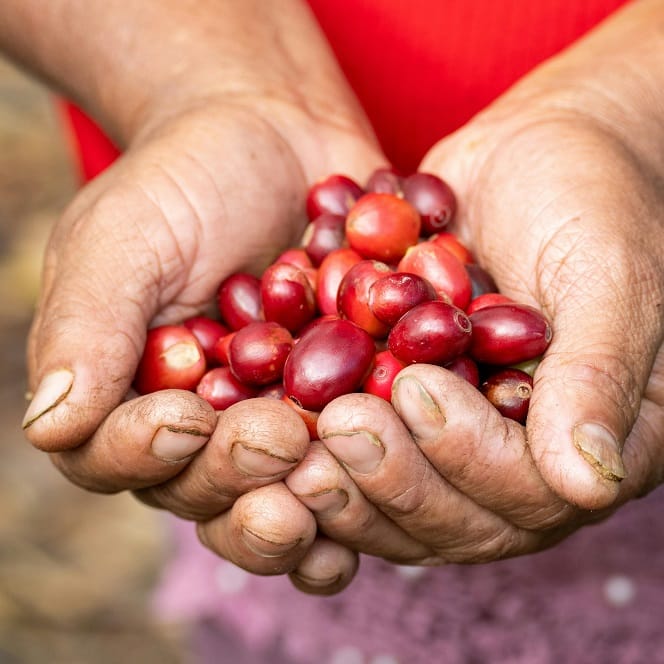
The southwestern region of modern Ethiopia is considered the biological homeland of Arabica. The greatest genetic diversity of coffee plants is concentrated here. Ethiopian coffee has long existed as a wild plant, an element of the ecosystem, not an agricultural product.
Locals used to eat the berries raw or grind them with fat to make a nutritious mixture that increased endurance, but no one thought it could be brewed and consumed as a drink.
The stories about the shepherd and his goats are not documented, but indicate that the stimulating effect of the plant has been recognized since ancient times. The documented history of coffee begins with evidence of the first brewing experience associated with Sufi orders that used coffee decoctions to maintain concentration during night prayers.
At this stage, the drink did not yet exist in the modern sense, but the foundations of its future cultural and social significance were being formed.
Spreading coffee to the Arabian Peninsula
Coffee was first grown in what is now Yemen. The region was suitable for arabica outside of its wild growth area due to its climate and soil conditions. The ports of Mocha and Sana’a played the role of the first trade hubs: coffee beans were brought here from the mountainous regions of Ethiopia, and local merchants organized their further distribution throughout the Arabian Peninsula and beyond.
Coffee caravans transported beans across the deserts, ensuring a constant flow of goods to cities and trade centers. The first coffee places appeared in major religious centers, such as Mecca. These coffee shops had not only a commercial but also a social function: they served as a space for socializing, exchanging news, and religious discussions.
Yemen was the first to grow beans for sale, and Arab traders ensured the spread of coffee and popularized the drink. This period laid the foundations for global trade and formed the first traditions of coffee culture in many regions of the world.
The Ottoman history of coffee
Soon, the coffee beans crossed the Red Sea and reached Constantinople, the capital of the Ottoman Empire, where it quickly gained popularity among the elite. Sultans, high-ranking officials, and artists consumed coffee.
Turkey has developed its own traditions of coffee making: beans were roasted over an open fire, finely ground, and brewed in special jezve. The drink was drunk in small portions during conversation. This habit gradually turned into a cultural ritual. Coffee shops, or kivahans, that appeared in the cities of the empire became centers of communication, political and artistic discussions, and the tradition gradually spread among different segments of the population. At the same time, the Ottoman coffee culture conquered the Balkans and neighboring regions, shaping the coffee habits of the local population. Thus, during the Ottoman Empire, coffee became a part of everyday life, and the traditions formed here determined the further development of the European coffee culture.
European history of coffee
Venetian merchants began importing coffee beans from the East to Europe in the 16th century. Initially, coffee was an exotic and expensive product available to a narrow circle of wealthy citizens.
In 1683, Vienna was besieged by the Ottoman army. The siege ended in the defeat of the Ottoman Empire: they retreated, leaving behind siege camps, supplies, and coffee beans, among other things.
Local residents and soldiers who came to inspect the abandoned camps found these beans and began experimenting with them. It was then that coffee was first tasted not only by wealthy Viennese, but also by ordinary citizens. From that moment on, it began to adapt to European tastes: coffee was filtered, sweetened, and combined with milk.
In London and Paris, coffee shops quickly became centers of social and cultural life. Newspapers were read here, politics, science, and finance were discussed. Coffee was no longer a rare exotic product.
At this time, France began to establish coffee plantations in the Caribbean, marking a shift from imports to colonial production and ushering in a new phase in the global history of coffee.
Europe’s colonial ambitions
Whereas earlier grains were imported from the Arabian Peninsula or Ethiopia, European powers established their own plantations in tropical colonies where the climate and soil were favorable for arabica and robusta, thus laying the foundations for global trade.
Dutch planters in Java and Ceylon systematically cultivated coffee for export to Europe. Their methods included not only planting, but also developing logistics, managing labor, and standardizing harvesting.
Britain set up coffee plantations in India, choosing regions with high humidity and gentle slopes. Here, coffee began to be grown alongside other colonial crops, making it easier to collect, transport, and process the beans.
Portugal experimented with plants in Brazil, establishing plantations next to sugar and tobacco farms. It was thanks to these projects that Brazil later became the leading country in coffee production.
European countries began to compete fiercely in the coffee market. Each colony became a valuable asset: the very fact of owning plantations determined not only economic benefits but also the status of the country among other empires. Such competition stimulated the development of agricultural technologies, the spread of breeding varieties and the improvement of grain processing methods.
Thus, colonial expansion transformed coffee from a rare imported commodity into a mass commodity, laying the foundations of the global coffee economy and setting the rules of the game that would influence the production and consumption of the drink over the next centuries.
The birth of the American coffee industry
The real boom in production occurred when grains began to be grown in the New World, in Brazil, where plantations not only supplied Europe with grain but also shaped local economies.
In Central America, Arabica found itself in ideal conditions: high altitudes, volcanic soils, and a humid climate favored the development of beans with a rich flavor and aroma. The first large coffee estates emerged in Costa Rica, Guatemala, and Honduras, where European cultivation methods were combined with local agricultural traditions. This organization allowed not only for efficient plant care but also for optimized harvesting and processing. Central America quickly gained a reputation as a region where coffee beans are distinguished by their sophistication and uniqueness.
High altitudes, frequent rains and fertile soils have created the conditions that have made Jamaica’s Blue Mountain a symbol of quality, and its cultivation methods an example for other Caribbean plantations.
Colombia also became a leading center of coffee production. Local varieties were distinguished by their rich flavor and aroma due to the high slopes of the Andes Mountains and the region’s favorable climate. The high quality of the coffee opened the way for Colombia to enter international markets and cemented its status as a recognized global export leader.
The development of the coffee industry in the New World meant not just an increase in production, but also the formation of its own quality standards and processing methods.
Revolution in the coffee industry of the XIX – XX centuries
The nineteenth century was a time of technical innovations that influenced not only the production but also the consumption of coffee in the world. One of the most important events was the invention of the espresso machine in Italy. This device made it possible to quickly brew a concentrated coffee drink with a rich flavor, thus simplifying the brewing process as much as possible. It was another round of development. It laid the foundation for the modern espresso culture.
During this period, new methods of drying and granulation were invented. Coffee became available to the general population, turning from an expensive delicacy to an everyday drink. This contributed to the formation of its own coffee culture in the United States:
- fast-food cafes have appeared
- the first waves of experiments took place
- different varieties and methods of preparation were investigated
Industrialization contributed to the development of industrial grain processing. Improved roasting, standardization of sorting and packaging allowed producers to control quality and ensure consistency of taste even in mass production. Coffee began to be sold globally. Now, clear production standards at all stages were observed all over the world.
Types of coffee
Arabica(Coffea arabica) is considered the most valuable type of coffee in the world. Its homeland, the highlands of Ethiopia, still retains the greatest genetic diversity of this species. The secret of its popularity lies in its complex flavor profile, moderate acidity and deep aroma. Thanks to the plant’s natural adaptation to different conditions, numerous local varieties have emerged.
Robusta(Coffea canephora) comes from the lowlands of Central and West Africa. Robusta contains more caffeine and has an intense bitter flavor. Its resistance to diseases, high temperatures and pests has made it popular in mass production. Robusta is used more often in blends for the strength and density of the cream.
In addition to the two main types, there are also rare varieties of coffee, such as Liberica, Eugenioides, and Cameroon coffee. They are less common due to the difficulty of cultivation or unstable yields, but are interesting to producers and consumers for their unique flavor characteristics and potential for breeding.
Some of the species play an important role in preserving the genetic pool of coffee plants. The creation of hybrids was a response to the challenges of climate change and helped fight the spread of diseases. Crossbreeding has resulted in varieties that combine the flavor of arabica with robusta resistance. Thus, bean varieties are not only a reflection of natural diversity but also the result of scientific research.
Coffee traditions of different cultures
Coffee has always been an important element of culture and part of rituals unique to each country.
Ethiopia has a long-standing coffee ceremony that includes several stages. The beans are roasted over an open fire, ground by hand, and brewed in a jeben, a special earthenware vessel. The ceremony is accompanied by conversation and sharing, emphasizing the importance of community.
Traditional Turkish coffee, finely ground and brewed in a turka (cezve), symbolizes hospitality and social interaction. In 2013, it was inscribed on the UNESCO Intangible Cultural Heritage List, emphasizing the importance of coffee for the social and cultural life of the country. Coffee shops have been centers of discussion, news exchange, and artistic gatherings for centuries, forming a unique cultural code of Turkish society.
The espresso culture was formed in Italy. Quick preparation of a concentrated drink, miniature cups, and quick consumption while standing at the bar. All the classic espresso-based coffee drinks – cappuccino, latte, ristretto, macchiato, etc. – have become a signature of Italian style.
Scandinavian countries prefer light roasting, which emphasizes the pure flavor of the grain and its natural acidity.
Modern coffee history
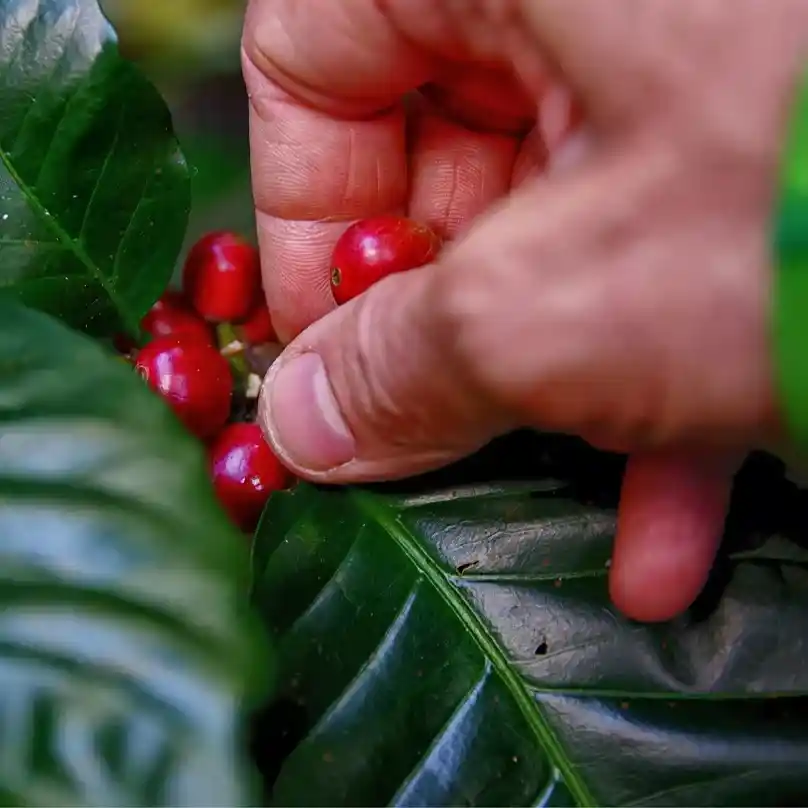
Today we are witnessing the third wave of coffee culture. Increased attention is being paid to the quality of the beans, brewing methods, and curiosity about the origin of coffee. Speshelti has become a symbol of this period: the beans are carefully selected for their flavor profiles, roasted in small batches and brewed to exacting standards.
In addition, the global community is focusing on environmental and social responsibility. Manufacturers cooperate with farmers, maintain transparent supply chains, and strive to minimize their environmental impact.
Innovations in coffee processing and brewing include different extraction methods, cold brew technologies, roasting automation, and the use of smart devices to precisely control temperature and time. All these efforts are aimed at making the consumer feel connected to the centuries-old culture and art of brewing and discovering new facets of the taste of their favorite drink.
History of coffee in Ukraine
The first mention of coffee on Ukrainian lands dates back to the 17th century. Initially, the drink was consumed mainly in cities where trade flourished. Beans were imported from Poland and Austria.
Lviv coffee houses of the Austrian period were at the center of cultural life. People gathered here to talk about politics, art, and the latest political news over a cup of hot drink. Thus, coffee contributed to the formation of intellectual clubs and was a symbol of the European way of life.
During the Soviet period, coffee was in short supply, and its quality was far below international standards. Nevertheless, the tradition of visiting coffee shops persisted, and the drink gradually gained favor with all segments of the population.
The modern Ukrainian coffee culture is actively developing: specialized coffee shops are opening, brewing and serving methods are being introduced that emphasize the unique taste of each batch of specialty coffee, and local roasters are experimenting with varieties and blends to create their own identity in the global market.
Interesting stories about coffee
In medieval Europe, coffee was called the “drink of Satan” because its black color and stimulating properties aroused suspicion among religious leaders. Despite this, the drink was enjoyed even in monasteries.
In the 18th and 19th centuries, residents of major European cities such as London, Paris, and Amsterdam repeatedly protested against high prices and monopoly on coffee sales. These revolts demonstrate how important the drink has become to society.
Among the famous coffee drinkers were rulers, artists, and scientists: Napoleon drank coffee before battles, Ludwig van Beethoven carefully measured the number of beans for each cup, and Charles Dickens regularly visited coffee shops to work and socialize.
Coffee has always been not just a drink, but a symbol of sophisticated taste, social significance and participation in cultural life.