Green coffee: myths, reality and a healthy approach to weight loss
The way of natural grains to popularity
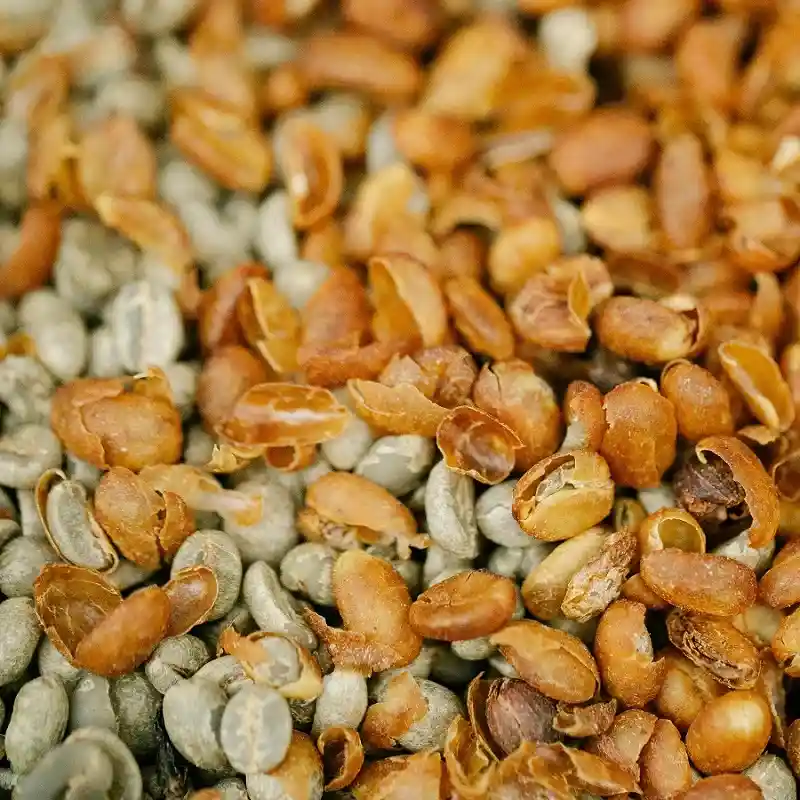
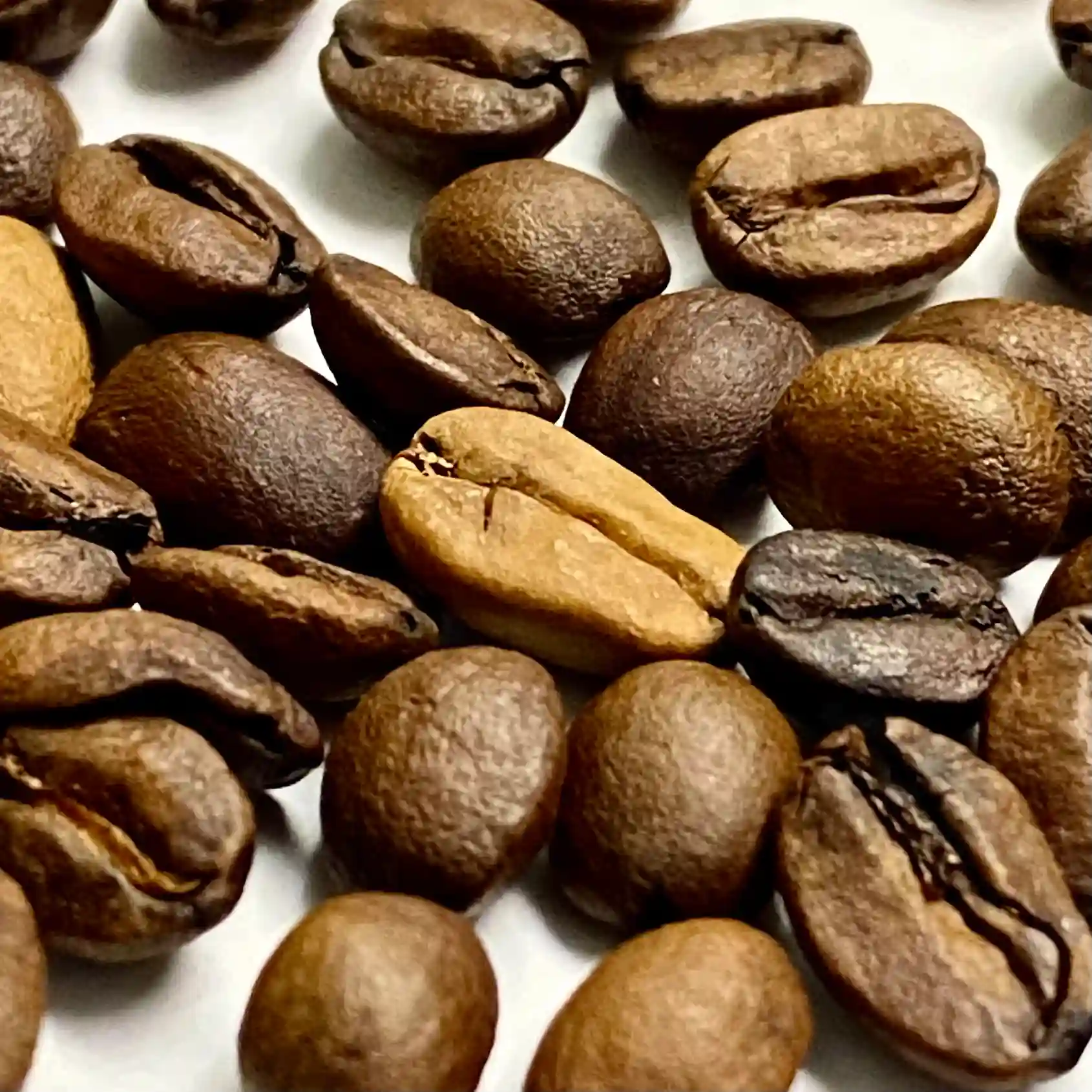
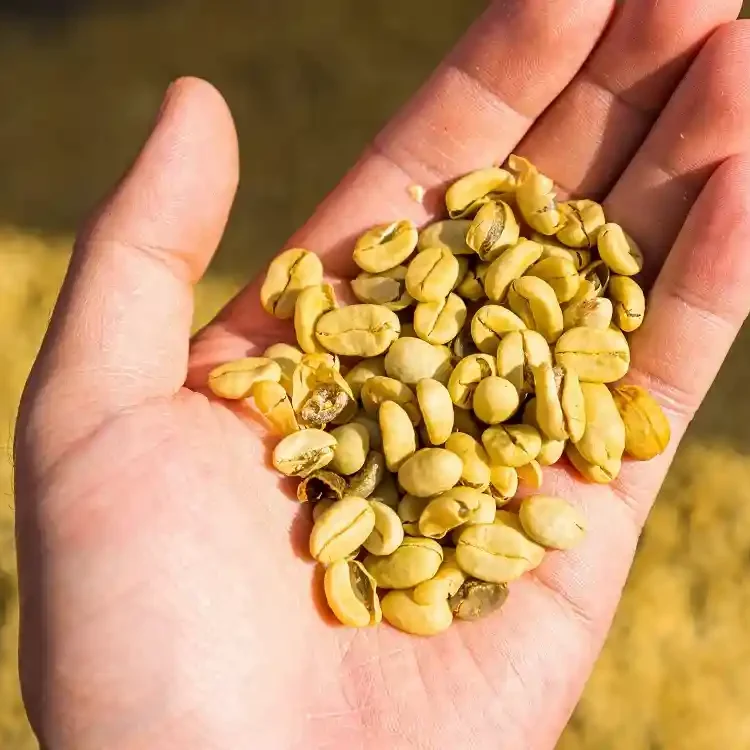
Green coffee is yellow-green coffee beans that have not been roasted. They have a different chemical composition and flavor from coffee beans that have been heat-treated. The lack of heat treatment is often presented by producers as the main advantage of this product.
Unprocessed coffee contains caffeine, chlorogenic acid, polyphenols, antioxidants, and a small amount of minerals and organic acids. Special attention in marketing materials is paid to chlorogenic acid, which is positioned as an active ingredient that allegedly helps to reduce body weight and regulate blood sugar levels.
The popularity of unroasted green coffee has grown amid a general interest in “natural” and “alternative” weight loss products. Consumers are increasingly looking for simple solutions that don’t require significant lifestyle changes, such as drinking green coffee and losing weight. It is this demand that is driving the demand for green coffee as a product that promises easy, effortless results.
Manufacturers’ marketing promises often include claims of rapid fat burning, metabolic boosting, appetite reduction, and “detoxification” of the body. In advertising materials, green coffee is presented as an almost universal weight loss tool, which fuels consumers’ high expectations.
The myth of effectiveness for weight loss
Despite the loud claims, scientific research does not confirm the high effectiveness of green coffee for weight loss. Some experiments did show a slight decrease in body weight, but these results were short-lived and the research methodology was questionable. They were often conducted on a small number of subjects or funded by vested interests.
Systematic reviews and meta-analyses show that the effect of green coffee on weight loss is minimal and has no clinically significant effect in the long term. Weight loss, if it occurs, is usually not associated with the product itself, but with changes in diet or general lifestyle.
Compared to traditional weight loss methods, such as a balanced diet, regular physical activity, and calorie control, unroasted coffee beans do not show any advantages. It is also important to consider the psychological effect of expecting a quick result: people may overly rely on a “miracle cure” and ignore truly effective strategies, which reduces the chances of a sustainable outcome.
Misconceptions about green coffee are shaped by aggressive marketing, pseudo-scientific terms, and testimonials without evidence. Consumers are led to believe that complex physiological processes can be easily corrected by a single product, which is not true.
Thus, critical thinking and access to scientific sources become key tools for assessing the real effectiveness of any weight loss product.

Potential harm to health
One of the main risks associated with consuming green coffee is its high caffeine content. Unlike roasted coffee, the concentration of caffeine in green coffee beans can be unstable, making it difficult to control the dosage. Excessive consumption of caffeine can cause insomnia, anxiety, irritability, headaches, and fatigue.
Caffeine also affects the cardiovascular system. In people with hypersensitivity, it can cause tachycardia, high blood pressure, and heart rhythm disturbances. Regular consumption increases the risk of complications, especially in the presence of comorbidities.
On the part of the digestive system, green coffee can cause irritation of the gastric mucosa, heartburn, nausea, and diarrhea. Organic acids contained in unroasted beans can sometimes provoke an exacerbation of gastritis or other gastrointestinal diseases.
We should not forget about possible allergic reactions. Individual intolerance to the components of green coffee can manifest itself in skin rashes, itching, swelling, or general deterioration of health. In such cases, use of the product should be discontinued immediately.
Contraindications and risk groups
Green coffee is not recommended for people with chronic diseases, including cardiovascular, endocrine, and neurological disorders. Caffeine can worsen the course of diseases and reduce the effectiveness of treatment.
Pregnant and breastfeeding women should avoid drinking green coffee due to the potential negative effects of caffeine on the fetus or infant. Even small doses can lead to undesirable consequences.
Teenagers and the elderly are also at risk. In adolescents, caffeine can affect the nervous system and hormonal balance, and in the elderly, it can lead to blood pressure and heart problems.
Special attention should be paid to the interaction between green bean drinks and medications. Caffeine can alter the effects of certain medications, including antidepressants, cardiac medications, and stimulants, which can be dangerous.

Economic aspect and product quality
The cost of green coffee is often unreasonably high, especially given the lack of proven effectiveness. Consumers are often willing to buy a product without having sufficient information about its properties, which makes the purchase risky and even dangerous to health.
The green coffee market is characterized by poor quality control. There is often no detailed information about the origin of raw materials, processing technology, or the actual composition of the product, which makes it difficult to assess its safety and effectiveness. This puts consumers at risk of buying low-quality products or fakes that do not meet the declared properties and may have a negative impact on health.
In addition, the lack of transparent certificates and laboratory tests makes it difficult to verify the authenticity of the product and forces people to rely on advertising and reviews, which are often biased.
Additionally, in the context of weak control, manufacturers can freely change the composition or concentration of active ingredients without informing the consumer. This state of the market increases the importance of careful choice and critical attitude to the product.
It is recommended to check for certificates, read the composition on the label, and look for independent reviews to reduce the risk of purchasing counterfeit products.
Due to the lack of clear production standards, the consumer cannot be sure of the safety and stability of the composition. The content of active substances may differ significantly from the declared components, which increases health risks.
The green coffee market is an example of how insufficient quality control can directly affect the safety and effectiveness of products consumed by people.
Alternatives for a healthy lifestyle
The most effective alternative to green coffee is a balanced diet. A diet containing sufficient proteins, fats, carbohydrates, vitamins and minerals helps to normalize metabolism and maintain a healthy body weight. Controlling calorie intake, eating patterns, and food quality, including limiting excessive consumption of sugar and processed foods, play a special role. It is useful to include fresh vegetables, fruits, whole grains, and lean protein sources such as fish, legumes, and chicken in your diet.
Regular physical activity plays a key role in the process of losing weight and improving overall health. Even moderate activities, such as walking, swimming, or yoga, have a proven positive impact on the cardiovascular system, muscle tone, and psycho-emotional state. Regular exercise also helps reduce stress levels and improve sleep quality.
Consultations with nutritionists and doctors allow you to choose an individualized nutrition and physical activity plan based on your age, lifestyle, and health status. This approach is much more effective and safer than using dubious nutritional supplements on your own.
Recommendations and conclusions
Green coffee is not an effective or safe weight loss product, despite its active advertising. Choosing scientifically based methods allows you to achieve stable results without harming your health.
Critical thinking is a key factor when choosing health products. It’s important to analyze sources of information, pay attention to scientific evidence, and not listen to empty promises.
Safe weight loss is based on a comprehensive approach that includes a balanced diet, regular physical activity, adequate sleep, and care for your psycho-emotional state. These factors, not unique products, are the basis for long-term health and well-being.