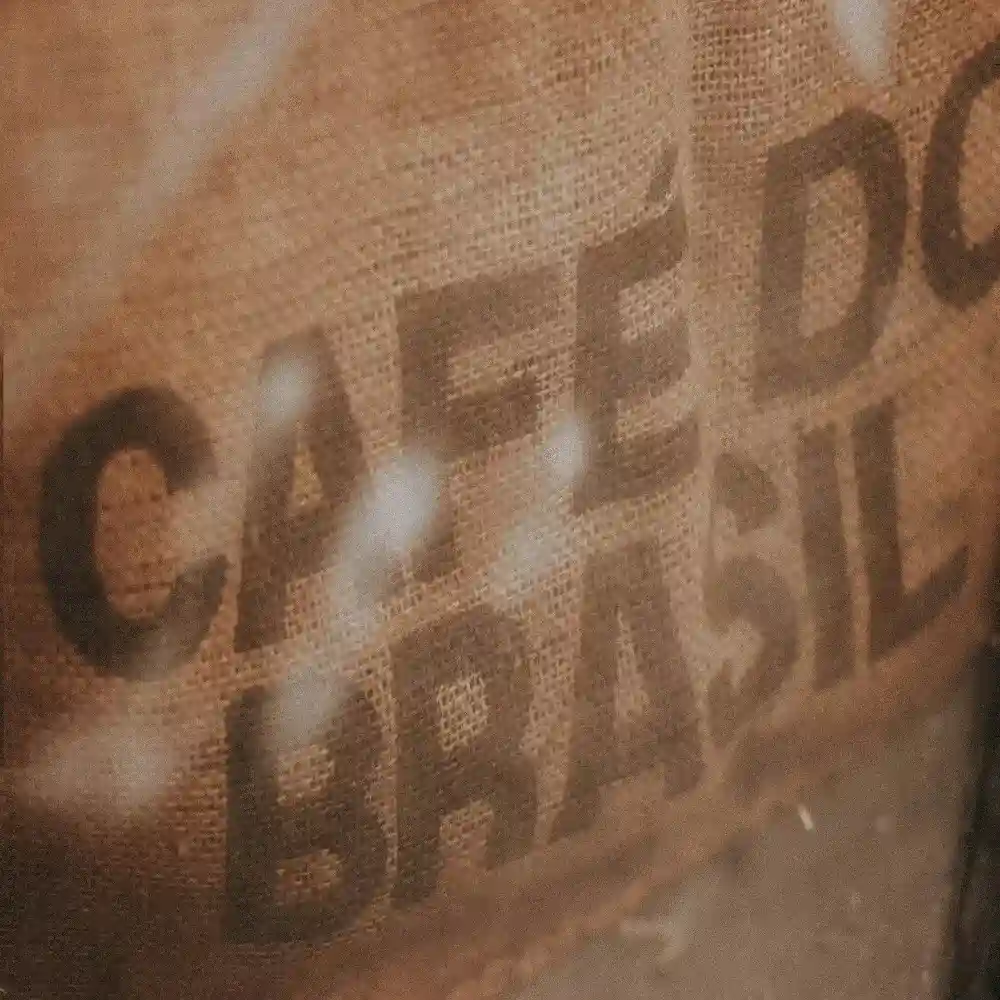
The history of coffee in Brazil
Coffee arrived in Brazil in 1727 thanks to a Portuguese-Brazilian officer Francisco de Melo Paleta. During a diplomatic mission to French Guiana, he smuggled seeds. Initially, Arabica coffee grew in the state of Pará, but remained a secondary crop.
By 1770, coffee had spread to Rio de Janeiro. In the early nineteenth century, it became a major export commodity. Exports grew from 1,720 pounds in 1800 to nearly 13 million pounds by 1820.
How Brazil became a coffee powerhouse
The ideal climate and soils in Rio de Janeiro, São Paulo, and Minas Gerais created optimal conditions. The government supported the industry through tax incentives and investments in railways.
Brazil’s vast territory and diverse microclimates gave it an advantage. This allowed it not only to meet global demand but also to set quality standards.
Ethical issues of coffee production in Brazil
Until 1888, the coffee industry relied on slave labor. Today, the country is working to improve conditions through Fair Trade and Rainforest Alliance programs.
Producers are implementing sustainable practices: renewable energy, water conservation, fair wages. International buyers are demanding ethical certification.
What makes Brazilian coffee special
Brazilian coffee is characterized by nutty notes, hints of chocolate and caramel. Its low acidity makes it accessible to everyone – from beginners to experts.
Its full body and mild flavor without harsh sour notes distinguish it from African varieties. Its natural sweetness allows you to enjoy it neat or in blends.
| Characteristics | Description |
| Acidity | Low to moderate |
| Body. | Full, rounded |
| Taste notes | Nuts, chocolate, caramel |
| Aftertaste. | Long, sweet |
Climatic and geographical features
The height of the plantations ranges from 400 to 1600 meters. The best beans grow at an altitude of 700-1300 meters. The tropical climate with distinct seasons ensures optimal ripening.
Volcanic soils are rich in minerals. Temperature fluctuations between day and night contribute to the development of complex flavors.
Methods of coffee bean processing
The natural finish adds sweetness and fruity notes. The washed finish creates a cleaner profile. Pulped natural combines the advantages of both methods.
Fermentation plays a key role. In natural processing, it is slow, creating sweet notes. The time of fermentation affects the final flavor of the beans.
The best coffee growing regions in Brazil
Brazil has more than ten coffee regions with unique characteristics. This geographical diversity allows for the cultivation of coffees with different profiles, from nutty and chocolate to fruity.
Santos and Minas Gerais
Port of Santos gave its name to one of the most famous types of Brazilian coffee. Minas Gerais produces 45-55% of the country’s total volume.
The state is divided into four sub-regions. Sul de Minas is known for its classic profile with milk chocolate notes. In 2024, the state exported $6.2 billion worth of coffee.
Other important regions
São Paulo retains traditional processing methods. Bahia stands out for its fruit characteristics due to its higher altitude. Espirito Santo specializes in Robusta and unique Arabica.
- Montanhas do Espírito Santo – coffee with sea notes
- Planalto de Vitória da Conquista – fruit profiles from Bahia
- Mogiana – classic beans from São Paulo
- Chapada Diamantina – highland coffee from Bahia
- Norte Pioneiro – coffee from Paraná with wine notes
Top Brazilian coffee varieties
Brazil grows dozens of varieties of Arabica. Traditional varieties are valued for their flavor, while modern hybrids are valued for their yield and resistance.
Yellow Bourbon and the World of Yellow
Yellow Bourbon is considered one of the best varieties due to its sweetness. It produces grains with notes of honey, caramel and tropical fruits.
Yellow Catuai has high yields and excellent flavor. Resistant to wind, it produces a balanced profile with notes of milk chocolate.
Brazilian Arabica and Robusta
Arabica accounts for 70% of production and Robusta for 30%. Arabica is grown in the southern states, while robusta is grown in Espírito Santo.
| Characteristics | Arabica | Robusta |
| Percentage of production | 70% | 30% |
| Caffeine content | 0,8-1,4% | 1,7-4% |
| Usage. | Speshelti coffee | Espresso blends |
How to choose quality Brazilian coffee
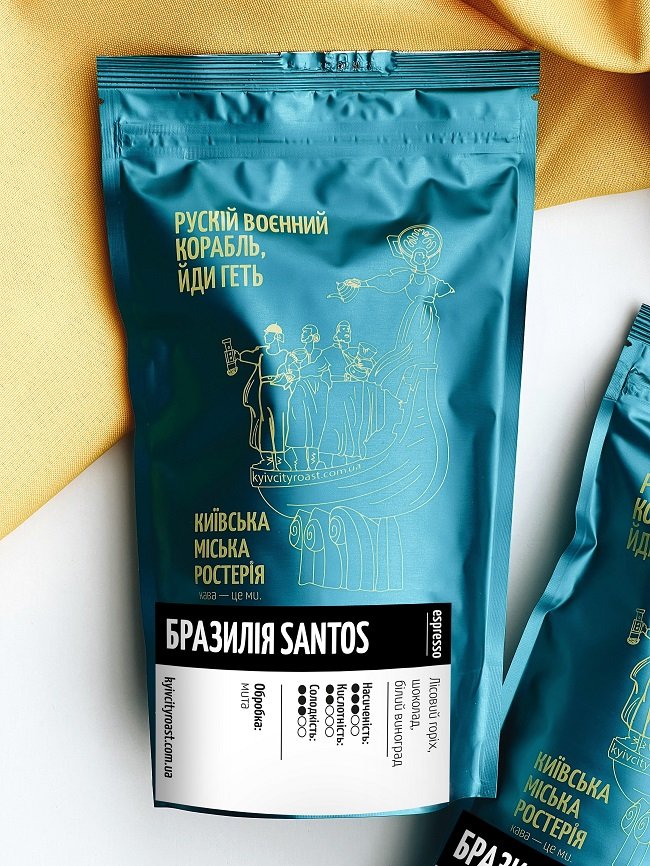
Pay attention to the date of roasting – fresh coffee retains its flavor for 2-4 weeks. Packaging should contain information about the region and processing method.
Fair Trade and Organic certificates guarantee ethical production. Avoid coffee without a roast date or with oil stains on the beans.
The main criteria for assessing the quality of Brazilian coffee
Single varieties have distinct characteristics. The region of origin affects the taste: Minas Gerais gives nutty notes, Bahia – fruity.
The processing method determines the main flavors. The roasting date should not exceed one month for filter coffee.
- Roasting freshness – 9-10 (up to 2 weeks), 7-8 (up to a month)
- Information on origin – 9-10 (farm), 6-8 (region)
- Processing method – 8-10 (specified), 4-6 (not specified)
- Certification – 7-10 (yes), 5-6 (no)
Rating of the best Brazilian coffee brands in Ukraine
The assessment is based on grain quality, freshness, transparency of information and value for money. Availability in Ukrainian stores is also taken into account.
- Lavazza Qualità Oro
- Kimbo Espresso Napoletano
- Segafredo Zanetti
- Café Pilão
- Coffee Club Premium
- Jacobs Monarch
- Nescafé Gold Origins
- Tchibo Exclusive
- Café Marita
- Coffee Jazz Brazilian Santos
Premium segment
Lavazza uses high-quality Brazilian Arabica. Qualità Oro contains 100% Arabica from Minas Gerais with notes of chocolate and honey.
Coffee Club Premium offers the Santos single-origin variety. Segafredo Zanetti creates balanced blends with milk chocolate notes. Tchibo Exclusive has a consistent quality.
The best value for money
Jacobs Monarch uses high-quality beans at an affordable price. Kimbo creates a thick creamer for home espresso.
| Brand. | Price (UAH/kg) | Main features |
| Jacobs Monarch | 800-1000 | Balanced, versatile |
| Kimbo Napoletano | 900-1200 | Thick cream, Italian style |
| Café Pilão | 1000-1300 | Authentic Brazilian flavor |
How to brew Brazilian coffee correctly
Brazilian coffee reveals different facets depending on the method of preparation. Its low acidity makes it versatile for all methods.
Ideal cooking methods
Espresso emphasizes the chocolate notes. Use a fine grind, 90-96°C, 25-30 seconds of extraction.
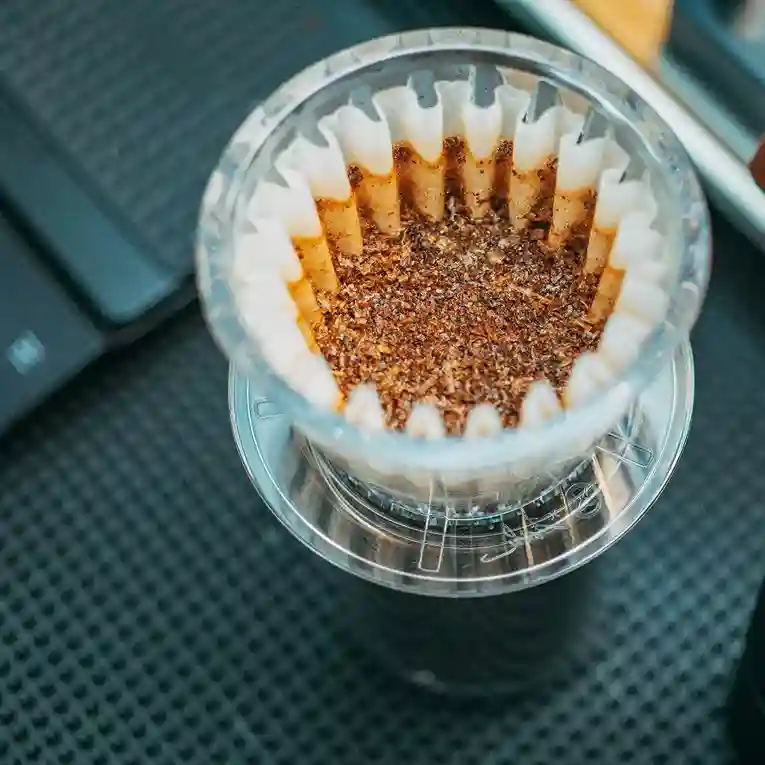
Purover reveals the purity of the flavor. Medium-fine grind, 92-96°C, 1:15 ratio.
French press emphasizes the fullness of the body. Coarse grind, 93-96°C, 4 minutes of brewing.
Recommendations for temperature and grinding
Water temperature is important for proper extraction. The grind should be appropriate for the method: fine for espresso, coarse for French press.
Use a burr grinder for even grinding. The time between grinding and brewing should not exceed 15 minutes.
Pairing Brazilian coffee with food
Brazilian coffee goes well with chocolate desserts. Nutty notes harmonize with almond croissants. Caramel shades complement banana bread.
With savory dishes, coffee is combined with bacon and sharp cheeses. Its low acidity allows it to complement fatty dishes.
- Dark chocolate – emphasizes cocoa notes
- Almond croissant – a harmony of nutty flavors
- Banana bread – complements the caramel shades
- Bacon is a classic breakfast combination
- Tiramisu – Italian dessert with coffee

Conclusion: why you should try the best Brazilian coffee
Brazilian coffee offers the perfect balance between quality and affordability. The consistent flavor profile with notes of nuts and chocolate provides a pleasant experience.
The variety of regions allows you to find an option for any preference. Start with a quality mono-sort from Minas Gerais or a trusted brand.
Frequently asked questions
What is the best Brazilian coffee?
Coffee from Minas Gerais is considered the best, especially Yellow Bourbon. Among the available brands are Lavazza Qualità Oro and Coffee Club Premium.
What are the best coffee varieties and growing regions in Brazil?
Top varieties: Yellow Bourbon, Yellow Catuai. Best regions: Minas Gerais, Santos, Bahia and Espirito Santo.
How to brew Brazilian coffee correctly?
Espresso: fine grind, 90-96°C, 25-30 seconds. Purover: medium grind, 92-96°C, 3-4 minutes. French press: coarse grinding, 4 minutes.
How to choose the right Brazilian coffee?
Look for the date of roasting (no older than a month), information about the region and processing method. Give preference to monosorts from specific farms.
What is the difference between Brazilian coffee and other South American varieties?
Lower acidity compared to Colombian, nutty-chocolate profile instead of fruity. Natural processing is used more often.
What are the main criteria for good Brazilian coffee?
Freshness of roasting (up to 2-4 weeks), indication of the region, processing method, Arabica variety. The beans should have a uniform color.