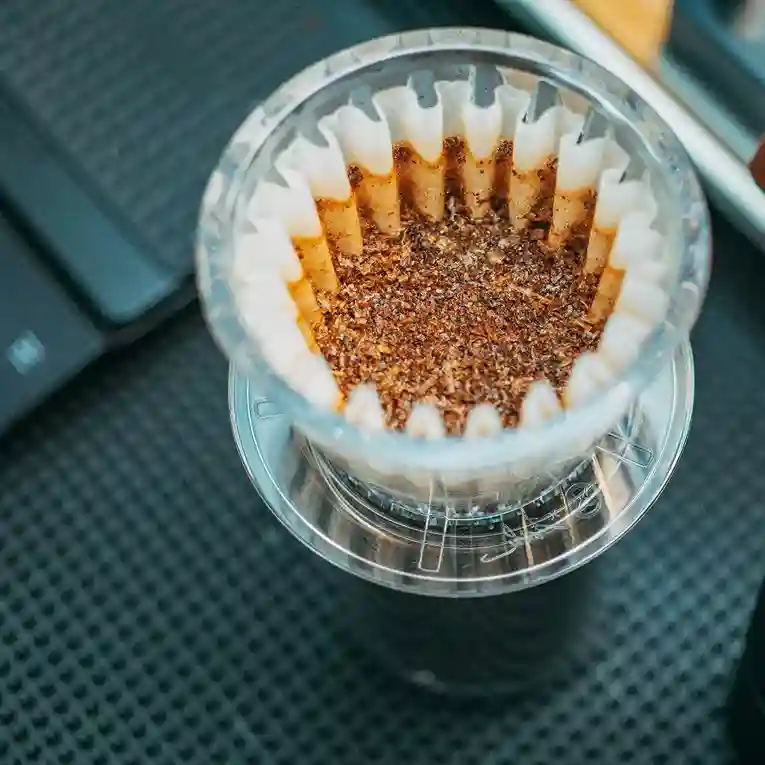
What is coffee fermentation and why is it important
Fermentation is a key technological tool in coffee production, as it is during this period that chemical changes take place that determine the balance of sweetness, acidity and the aroma and body of the finished beverage. When the coffee beans are still inside the berry and surrounded by sweet pulp, a complex interaction between sugars, microflora and the environment begins.
The quality of the future beverage directly depends on the correctness of this process. Even beans from the same region can have completely different flavor characteristics due to the method of fermentation. It is at this stage that natural coffee acquires its unique flavors.
How chemical reactions create a unique flavor
The sugars in the coffee berry are broken down by yeast and bacteria naturally present on the surface of the fruit. The process produces acids and aromatic compounds that shape the future flavor and aroma of the drink.
The structure of the pulp surrounding the bean gradually changes: the pectin content decreases and a new balance of acidity is built. That’s why the same coffee can take on different flavors, such as berry, tropical, or wine. It all depends on the conditions and duration of fermentation. The beans are processed aerobically and anaerobically.
Aerobic types of fermentation
Aerobic fermentation is a traditional approach used in most classic coffee processing methods that produces consistent results. Oxygen stimulates the active work of the natural microflora involved in the fermentation process.
| Processing | Brief description of the process | The result in a cup |
|---|---|---|
| Natural (natural) | Berries are dried in the sun with the pulp | Sweet, fruity flavor, full body, frequent and distinct berry or wine notes. |
| Tolls | The pulp is removed immediately after harvesting, the biochemical process takes place in water | Clean, bright profile, expressive acidity. |
| Hani | Part of the pulp is left. The method combines elements of natural and washed processing | Balance of sweetness and freshness, soft texture, moderate fruitiness. |
Anaerobic fermentation
The coffee berries or cleaned beans are placed in sealed tanks, where farmers can control the environment by adjusting the temperature, pressure and duration of the fermentation process. The absence of oxygen changes the course of chemical reactions, promoting the formation of other flavor compounds.
This approach allows for more intense and unusual flavor profiles: from notes of ripe berries to hints of spices and tropical fruits.
The advantage of anaerobically processed coffee is the reduced risk of accidental defects, but this method requires high skill and experience.
Anaerobic digestion has become one of the main characteristics of modern speckled varieties, combining flavor experimentation with precision.
Risks and mistakes in the fermentation process
Despite the potential, there are certain risks associated with fermentation.
Over-fermentation occurs when the process continues for too long or at too high a temperature. This can cause undesirable grain defects such as vinegar, putrid or alcoholic notes.
Insufficient, on the other hand, leads to incomplete breakdown of the moist pulp and underdeveloped flavor. Underprocessed coffee appears flat or grassy. That is why quality control is a critical element of professional processing.
Farmers and producers must measure pH, temperature, and sugar levels to minimize risks. Precision and experience are crucial to maintaining high product quality.
How to brew fermented coffee at home
To unlock the potential of fermented coffee, it is important to choose the right brewing method. Alternative methods such as V60 or Chemex and filter coffee are the best at bringing out the complex flavors.
The optimal water temperature for filter cooking is 92-96°C. Water that is too hot can make the taste harsh, and water that is too cold will not reveal the full aroma and flavor profile. The extraction time is also important: for a light degree, it is usually 2.5-3.5 minutes. Let the coffee bloom and reveal all the aromatic and flavor nuances.
Fermented coffee has a bright sourness and sweetness, so don’t use a fine grind. It can make the flavor too intense.
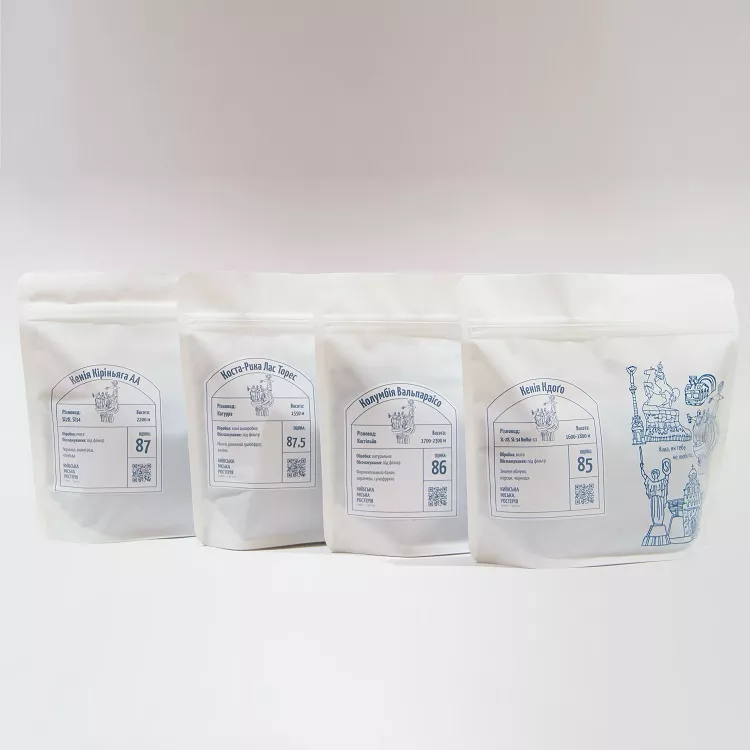
Three proven recipes for filter coffee
Recipe for a delicate fermented drink (V60)
Proportions: 1:16 (15 g of grinding per 240 ml of water)
- Medium grinding.
- The water temperature is 93°C.
- Pre-soak for 30 seconds (in 30-40 ml of water).
- The total extraction time is 2:45-3:00 minutes.
The result is a cup of mild coffee with a pleasant acidity.
Intense fermented coffee profile: a recipe for Chemex
Proportions: 1:17 (30 g of grinding per 510 ml of water)
- The grind is medium-coarse.
- The temperature is 94°C.
- Pulse pouring in 3-4 stages.
- The time is up to 4 minutes.
This approach softens excessive intensity and makes the flavor more balanced.
Universal recipe (drip coffee maker)
Proportions: 1:15.
- Medium grinding.
- The temperature is about 94°C.
- The extraction time is 3-4 minutes.
The basic method is suitable for experimenting with different profiles and allows you to fine-tune the flavor balance.
Fermentation is both an art and a science. That is why modern coffee is so inspiring to explore its many flavor nuances.