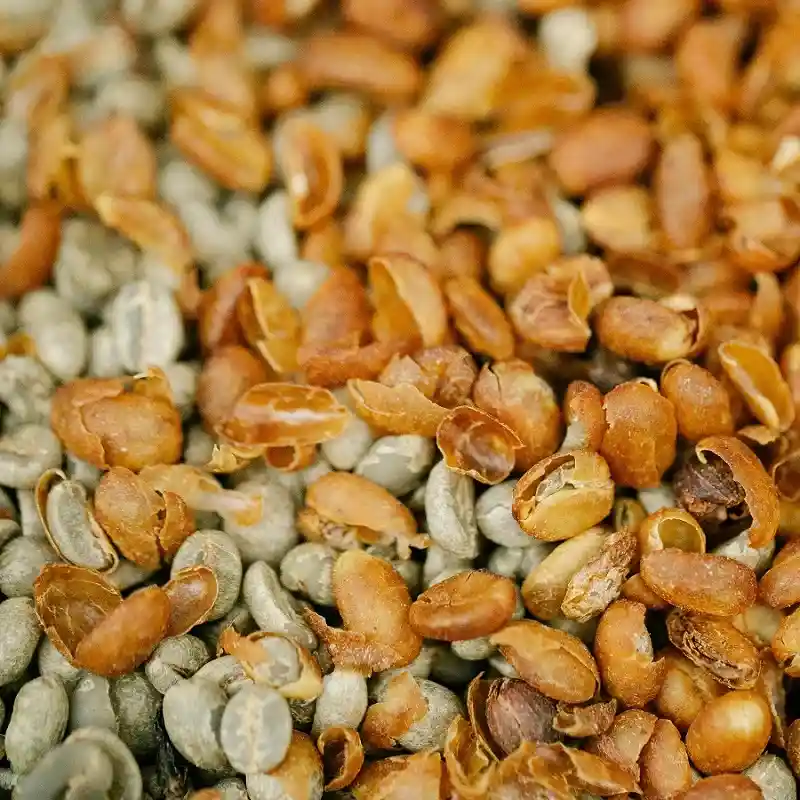
Hulling is an important stage of coffee processing that often remains unknown to most consumers. This process directly affects the quality of the beans and shapes the characteristics of the future cup of coffee.
Understanding hulling helps to better appreciate the complexity of green coffee production. Each stage of coffee processing has its own purpose, and hulling plays a central role in this chain.
Key findings:
- Halling is a mandatory step after drying coffee beans.
- process directly affects the quality of the final product.
- Correct execution ensures stability during storage.
Definition and role of hulling in coffee processing
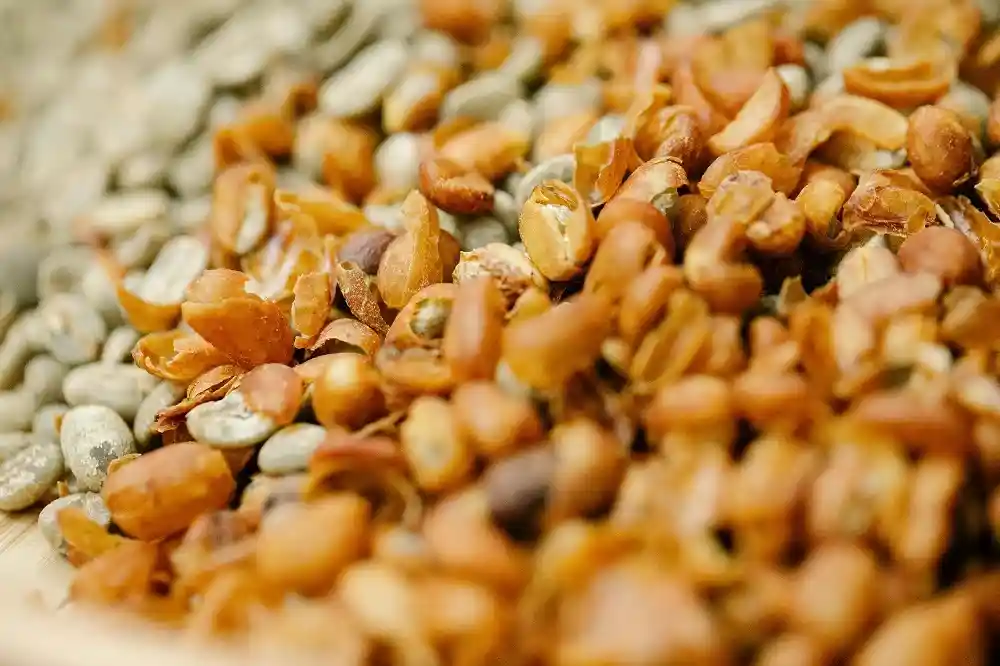
Hulling is the mechanical process of removing the parchment shell from coffee beans. It takes place after the coffee drying period, when the beans reach the optimum moisture content for mechanical processing.
Why do you need hulling
The quality of hulling directly affects the organoleptic properties of coffee. An improperly performed process can damage the beans, which manifests itself in the finished drink as bitterness or unpleasant tones.
Proper hulling preserves the integrity of the coffee beans and their natural potential. This allows fruit or chocolate notes to come out during roasting.
What changes during halving (table):
| Characteristics | To hulling | After hulling |
| Humidity | 20-24% (vet-hall) | 9-10% |
| Stability | low | high |
| Storage | limited | up to 12 months |
| Export readiness | no | yes |
Impact on coffee taste and quality
Hulling has three key functions in coffee processing. The first is to stabilize the moisture content of the beans and ensure that moisture is evenly distributed throughout the bean. The second is preparation for export by removing the parchment shell. The third is to preserve the potential of the bean for flavor development:
- acidity – preserving the natural acidity of the grain
- sweetness – revealing natural sugars
- flavor – preservation of volatile compounds
- body – formation of drink saturation
Conditions for proper hulling
Modern hulling is a mechanized process. The optimum moisture content before hulling is 9-10%, not 10-12% as is often stated.
After primary processing, the grain must undergo a rest period of one to several months. This helps to stabilize the internal structure of the grain. Only after resting should hulling be started.
Halling is carried out in several stages:
- preparation – loading seeds and preliminary cleaning.
- mechanical processing – removal of the parchment shell by friction (peeling).
- aspiration – removal of shell particles by air flow.
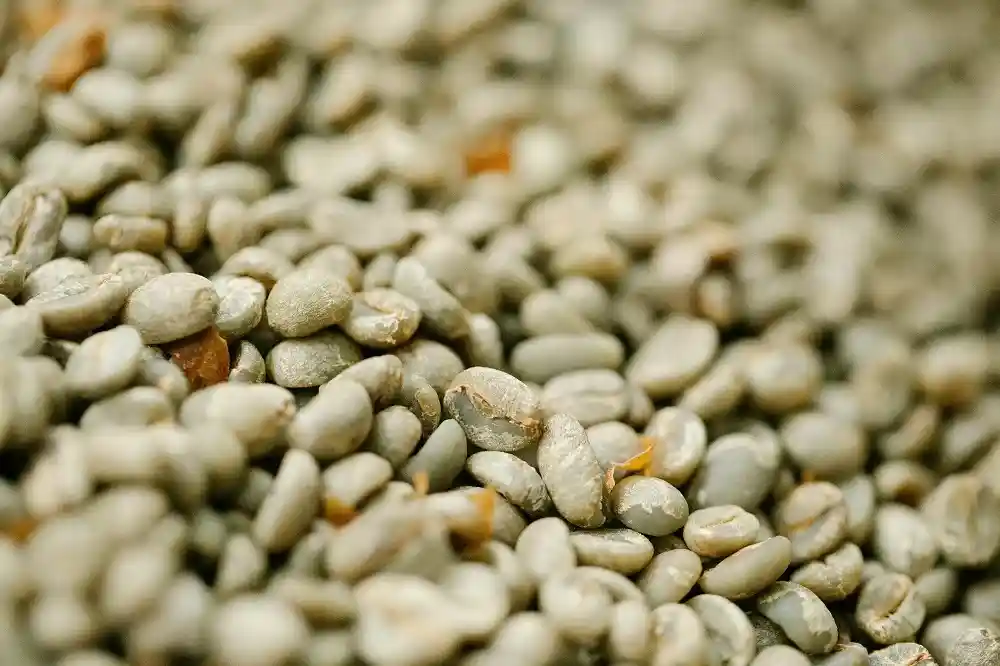
- cleaning – final sorting and preparation of green coffee.
The difference between hulling and drying coffee
Coffee drying and hulling are two different processes. Drying takes place immediately after harvesting and fermentation. Drying can take from several days to several weeks. During drying, the moisture content of the beans is reduced from 50-60% to 11-13%.
| Characteristics | Drying | Halling |
| Objective. | reduction of humidity | shell removal |
| Duration | days-weeks | minutes |
| Equipment | patios, tables | hackers |
| The result. | stabilization | green coffee |

The process of hulling
Hulling equipment operates on the principle of controlled friction. Disk hullers use rotating discs with an abrasive surface that gently abrade the parchment shell without damaging the grain.
Modern hullers are complex machines that require regular maintenance.
Centrifugal systems use the force of rotation to separate the shell. This approach is less aggressive and better suited for delicate coffees. The capacity of modern equipment can reach several tons per hour.
Selection of defects after hulling
After hulling, the seeds undergo a thorough defect selection. Did you know that even one defective grain can ruin the taste of an entire batch?
The process includes a visual inspection of each grain for the following defects:
- black grains are the result of premature harvesting or improper fermentation.
- broken grains – damage during processing or transportation.
- sour grains – excessive fermentation or improper storage.
- grains with spots – fungal infection or contact with moisture.
Experienced workers are able to quickly identify defects by color, shape, and size.
Quality control after hulling
Green coffee quality control includes several stages of inspection. First, the visual characteristics are assessed: color, size, uniformity of beans.
The next step is sorting by size through vibrating sieves. This ensures batch homogeneity and improves roasting quality. Different bean sizes are roasted unevenly.
Manual sorting remains the most accurate method for selecting defects.
Packaging coffee after hulling
Green coffee after hulling requires proper packaging to preserve its quality. Traditionally, 60- or 69-kg jute bags are used, an environmentally friendly material that allows the beans to breathe.
Modern methods include vacuum packaging in special boxes. This approach provides better protection against moisture and odors. Modern hulling equipment often integrates automatic packaging systems.
Impact of hulling on the final product
The quality of hulling directly affects the roasting of coffee. Beans damaged during improper hulling are roasted unevenly.
In the finished drink, the effects of poor quality hulling are manifested as astringency or bitterness. On the contrary, properly processed coffee reveals its full potential.
Professional cuppers can determine the quality of the hulling during a tasting. Coffee that has been properly hulled has better flavor characteristics.
Conclusions.
Hulling is more than just a technical stage of coffee processing. This process shapes the quality of the bean and affects every cup of coffee we drink.
Knowledge of hulling helps to better appreciate the complexity of producing quality coffee. Each stage of processing has its own purpose, and hulling plays a key role in this chain.
Frequently asked questions
Why do you need hulling?
The process stabilizes the moisture content of the grains and ensures that moisture is evenly distributed throughout the grain. This is critical for further storage and export.
How is hulling done?
The mechanical process itself takes only minutes when using modern hulling equipment. It includes mechanical friction to remove the shell and aspiration.
What is the difference between hulling and drying coffee?
Drying reduces the moisture content of the grains from 50-60% to 11-13% within days or weeks. Hulling is a fast mechanical process that takes only minutes to remove the hull.
Does the hulling process affect the taste of coffee?
Yes, the quality of hulling directly affects the taste. The right process preserves the integrity of the grains and their flavor compounds. Poor quality hulling can lead to bitterness or unpleasant flavors.
How long does the hulling process take?
The process involves loading the grains into hullers, mechanical removal of the parchment shell by friction, aspiration to remove shell particles, and final cleaning. It takes minutes when using modern equipment.