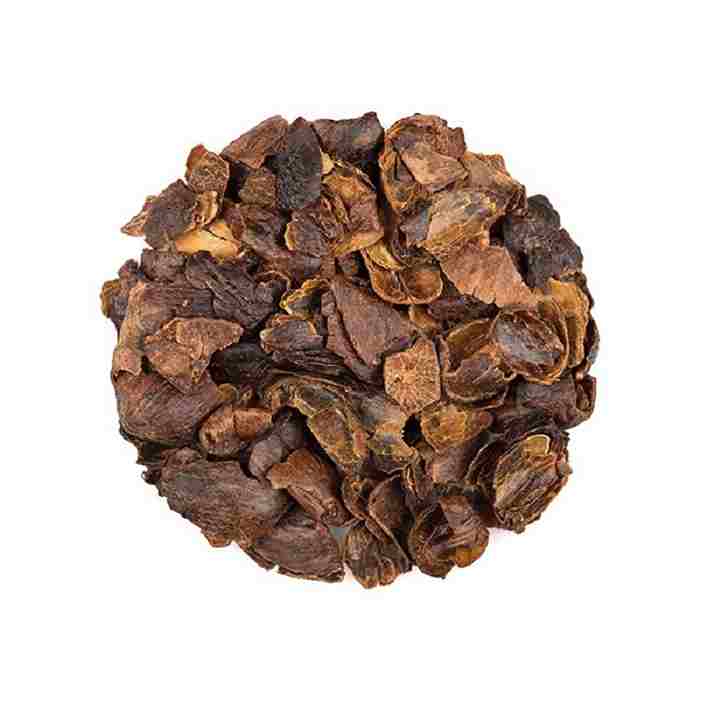
Cascara coffee is a noble coffee cherry drink that combines fruity sweetness and light tartness to create an elegant drink with a delicate flavor balance.
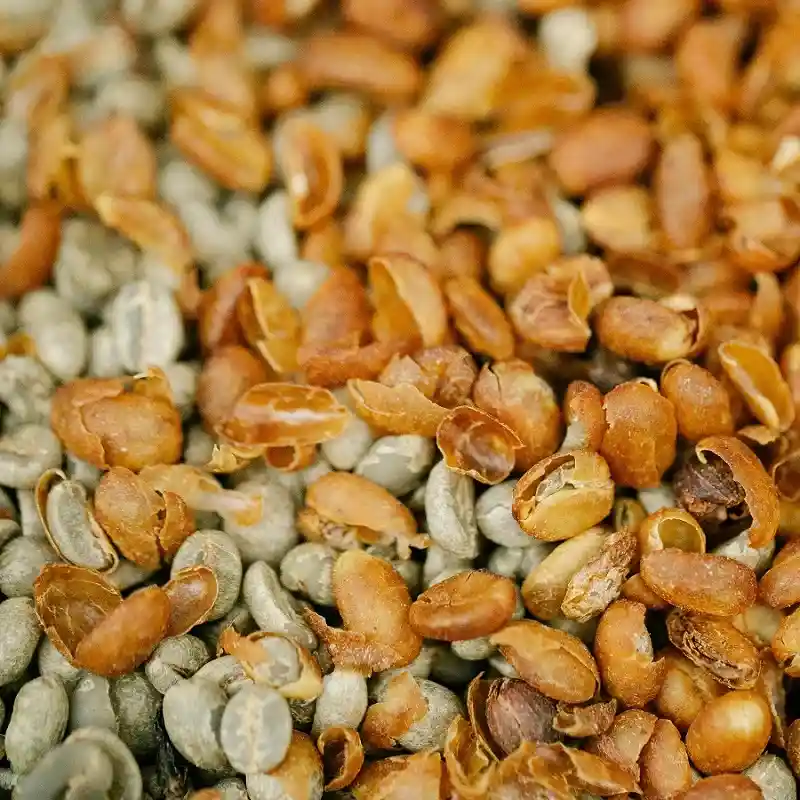
Cascara coffee is made from Coffea arabica and Coffea robusta, classic species with a rich heritage whose beans are popular all over the world. However, cascara differs from traditional grain drinks because it is made not from the beans themselves, but from a by-product of coffee production. When farmers harvest coffee berries, the beans are removed for further roasting and brewing, and the pulp and skin become the basis of cascara. It is the skin and pulp of the coffee cherry that preserve the natural sweetness and delicate fruity notes inherent in fresh coffee berries, making the drink light, flavorful and refreshing. Unlike beans, the berry does not have such a deep, bitter taste and contains less caffeine, so you can enjoy the drink all day long without worrying about an over-stimulating effect.
Geographical origin
The drink has a long history, with its roots in Yemen, where locals dried and brewed the berry centuries ago. Ethiopia, the birthplace of coffee, is also famous for its tradition of drinking the beverage from the pulp, as it is here that the wild Coffea plant grows. Local tribes often used the dried pulp of coffee cherries to make tonic drinks. Modern producers, such as Guatemala, Costa Rica, and Brazil, are actively exporting dried berries with a rich and distinct flavor profile. In Bolivia, it is a popular traditional decaffeinated drink, often called sultana. The origin plays a key role – the climate, soil and coffee variety determine the flavor of cascara.
Technological process of production
There are several ways to produce cascara. Wet processing involves removing the beans from the cherries, washing the pulp and fermenting it before drying. Dry processing allows the coffee berry to be dried whole, after which the beans are extracted to be turned into one of the cereal drinks, and the skin is used to make cascara. Fermentation has a significant impact on the flavor, emphasizing the fruity and honeyed tones. Drying is part of the technology chosen by the farmer. Only with careful control of all stages of processing can the aroma, sweetness and purity of taste be obtained without bitterness.

Chemical structure and nutritional components
Cascara contains caffeine, but its concentration is much lower than in coffee, its level is similar to that of green or black tea, providing mild and balanced stimulation. At the same time, berry coffee is characterized by a high content of antioxidants, in particular polyphenols and flavonoids, which help the body resist oxidative stress and maintain cellular health. It also contains B vitamins, which are important for the stable functioning of the nervous system, as well as minerals: potassium, magnesium, iron and zinc, which contribute to electrolyte balance and heart and vascular health.
Such a rich natural complex makes it not only an elegant but also a healthy drink that fits harmoniously into the modern daily diet.
Tasteproperties
The natural sweetness inherent in cascara reveals itself in delicate notes of dried cherries and raisins, intertwined with fruity and light honey tones, accented by a delicate floral aroma. The drink is less tart than black tea. It remains light and refreshing, with an airy, almost summer-like freshness. This harmony of flavor makes cascara ideal both for a relaxing evening with a cup of tea and as an exquisite tonic during the day.
Methods of brewing coffee from pulp
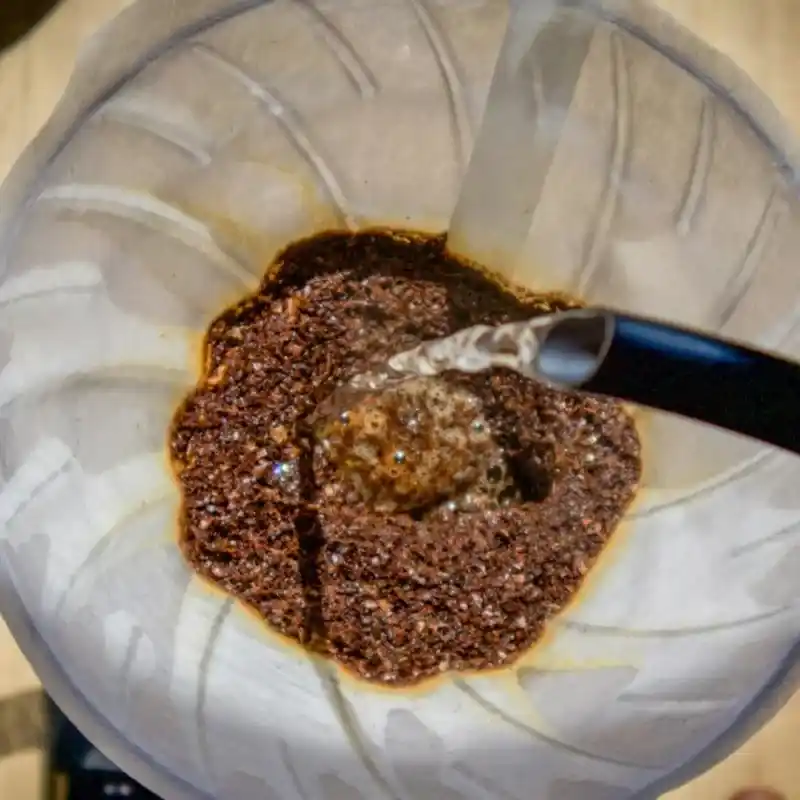
There are several sophisticated ways to make cascara, each of which reveals unique facets of the drink. French press allows you to fully reveal the aroma, emphasizing the natural sweetness and rich fruit nuances. The pour-over technique creates a clear, crystal-clear infusion where delicate fruit and honey notes sound especially elegant. Cold brew releases a mild, delicate flavor without bitterness, retaining a rich aroma even when brewed cold. The drink can even be prepared using an espresso machine to create a latte with a creamy texture and delicate flavor balance that leaves a long, pleasant aftertaste.

Gastronomic possibilities of coffee berries
Cascara latte is becoming more and more popular in coffee shops. The delicate drink is combined with milk and honey, which further emphasize the natural sweetness and fruity notes. In bars, cascara is used for sophisticated cocktails, adding ingredients with citrus and subtle spicy hints for a complex bouquet. Desserts and confectionery products acquire a new flavor depth thanks to the dry cherry pulp, turning familiar delicacies into sophisticated gastronomic compositions. This makes the drink versatile, inspiring the most daring gastronomic experiments and opening up new horizons of taste.
Medical properties and health
Cascara has a pronounced antioxidant effect, helps reduce inflammation and maintain cardiovascular health. The drink has a mild effect on digestion, stimulating the gastrointestinal tract and supporting metabolism. Flavonoids and polyphenols help the body resist stress and free radicals, and natural caffeine in moderate amounts gently activates mental activity without putting undue strain on the nervous system.

Cascara as an ecological alternative
The use of the berry is a vivid example of the zero waste concept in the coffee industry: instead of sending the peel and pulp to waste, they are turned into a delicious drink. This approach contributes to the sustainable development of the industry and brings economic benefits to farmers. The use of berries reduces waste and increases the efficiency of coffee production, opening up new opportunities for creative gastronomic solutions.
Regulation and quality standards
As a food product, cascara requires certification. It has additional advantages, as it is grown without pesticides and chemical fertilizers, preserving the purity of taste and natural aroma. To preserve the delicate taste of the drink, it is important to comply with storage and shelf life rules, and careful quality control at every stage of production guarantees the safety and high standard of the product.