What is a coffee body
Aroma, flavor, acidity, sweetness, bitterness and body are the basic sensory parameters that are used to assess the profile and harmony of a beverage.
Almost all of them have no spatial shape, mass, or volume. When we drink coffee, the molecules of the drink interact with our receptors. The receptors transmit a signal to the brain. And the brain creates a sense of taste and smell. These characteristics are the result of the nervous system.
The body of the coffee is another matter entirely. It is the only physical characteristic of the drink: thick or dense, watery or creamy, light or rich, hot or cold.
A consumer who is well versed in the characteristics of the coffee body can correlate expectations with the brewing method, variety and degree of roasting. This knowledge helps to avoid disappointment when, for example, a connoisseur of rich textures receives filter coffee with a thin, almost tea-like profile, or vice versa, a fan of transparent flavors encounters a thick, oily consistency.
Tactile sensations during coffee tasting
During tasting, the body is perceived through a complex system of receptors in the mouth. Mechanoreceptors respond to the viscosity and density of the liquid, thermoreceptors to temperature, and chemoreceptors to dissolved solids that form the texture. During sipping, the taster evaluates how the drink spreads over the tongue, whether it covers the palate, or leaves a film after a sip.
It is important to distinguish between density, viscosity, and texture.
- Density is related to the mass of particles dissolved in the beverage.
- Viscosity describes how rich and heavy the coffee feels in the mouth.
- Texture is a combination of microfeelings, such as silky, grainy, or creamy.
In coffee, these characteristics depend on the concentration of dissolved solids, the presence of oils, and the fine particles that pass through the filter. They determine how coffee feels in your mouth.
Speaking of the physiology of perception, the brain combines signals from different sensory channels to create a generalized perception of the drink. That’s why the body of the coffee can affect the perception of taste: a denser drink often seems sweeter and richer, even if its chemical composition does not change significantly.
How to describe and classify coffee body
Transparent, clean, and unctuous, light-bodied coffee touches the palate quickly and disappears without leaving a film. Light body is often associated with washed beans from highland Ethiopia or Kenya. They give a bright sourness and delicate texture. The structure of the drink resembles black tea.
Medium body is a balance between lightness and density. The coffee has enough weight to be perceptible, but does not overload the receptors. Beans from Colombia or Guatemala have this profile.
The medium body is considered universal: it opens well when brewed both in an espresso machine and using filter methods.
Full-bodied coffee has a high viscosity, creaminess, and sometimes oiliness. The drink lingers on the palate for a long time, leaving a persistent aftertaste. The dense body is associated with Brazilian beans or blends with the addition of Robusta. Dark roasting also adds texture and richness.
Professional terminology for describing tactile sensations includes adjectives that convey a variety of sensations in the mouth: silky, velvety, creamy, syrupy, watery, light, thick, rich, oily, soft, delicate, voluminous, dense, viscous, smooth, silky, puffy, flowing, creamy, thin, transparent, airy. Thanks to these images, baristas and tasters can accurately convey the impression of a drink without confusing it with its flavor.
Factors that shape tactile sensations
The role of variety and region of cultivation
The body of a coffee brewed from Arabica beans differs significantly from that of Robusta. Arabica usually produces a lighter, softer and more delicate texture, while Robusta is denser, heavier and more concentrated.
These differences are due to the different content of caffeine, lipids and soluble substances. A higher content of solids and oils contributes to a full-bodied drink, while a lower concentration of these components ensures a light and transparent texture. It is the chemical composition of the bean that determines the physical perception of coffee.
The region of cultivation further influences these characteristics, as climate, soil composition, humidity and sunlight affect the chemical composition of the berries. The altitude above sea level slows down the ripening process, which contributes to the formation of more complex organic compounds. In high mountain regions, the body of the drink is often light, but more expressive, with characteristic subtle nuances of taste and texture.
Grain processing methods
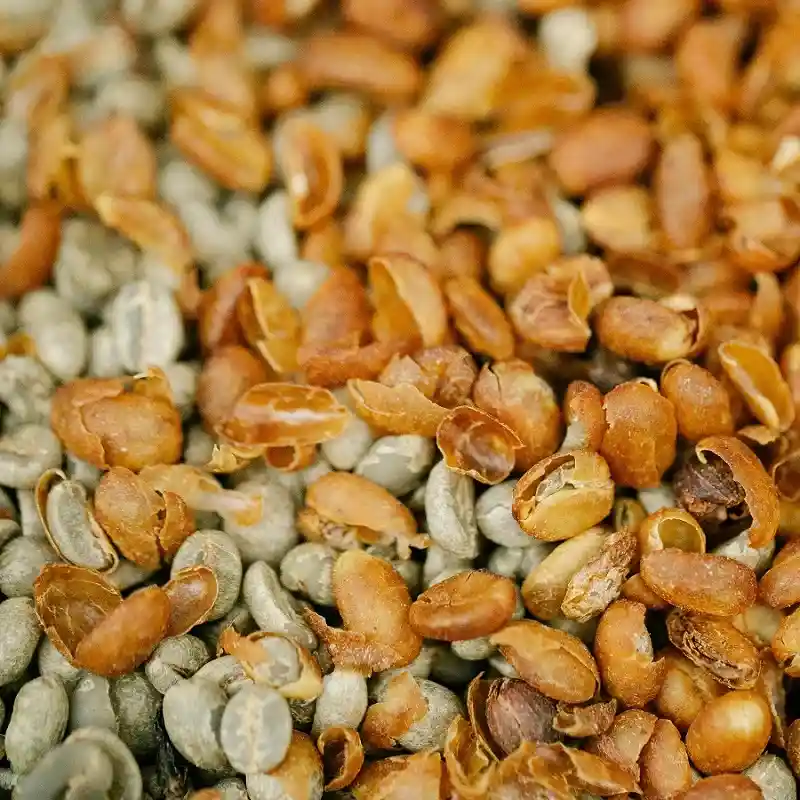
The method of grain processing largely determines the mouthfeel. The milling process involves removing the pulp and fermenting in water, which ensures a clean flavor and a light, transparent body.
Natural processing, when the grain dries together with the pulp, increases the concentration of sugars, making the body thicker, richer and butterier. The hani process, or semi-washed processing, combines the features of both methods: the body acquires a moderate density, combining sweetish richness and a clean aftertaste.
Degree of roasting
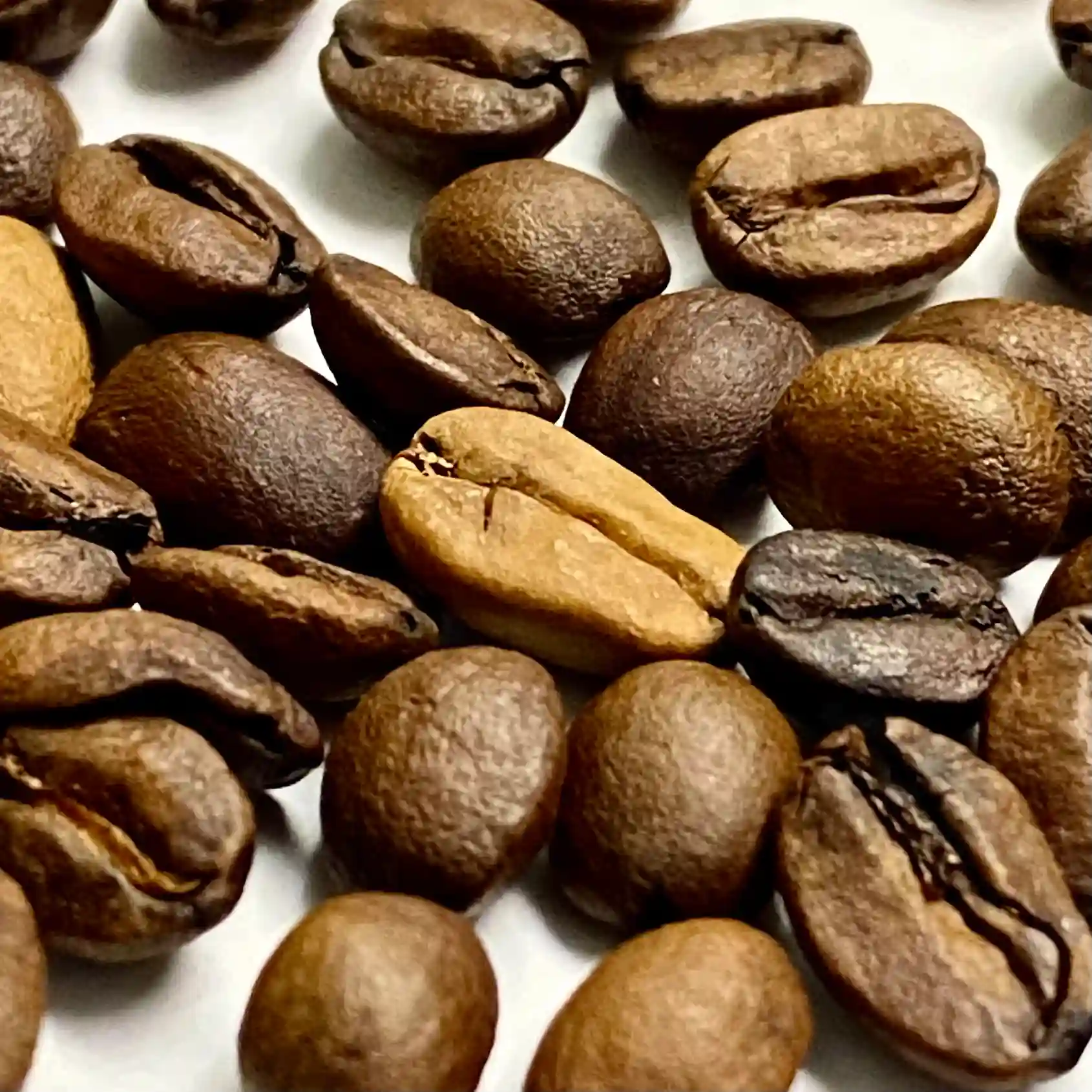
The degree of roasting transforms not only the flavor profile, but also the physical structure of the beverage. The heating process changes the cellular structure of the bean, redistributes oils, and increases or decreases the proportion of soluble substances. All these changes are reflected in the body of the coffee.
Light roasting retains a more delicate structure: the drink seems more delicate, its texture is transparent and fine.
The middle degree gives the body a tangible integrity. It feels harmonious, rounded, without sharp transitions.
Dark roasting changes the structure of the grain and promotes greater release of oils, which makes the texture of the future drink thick and buttery.
However, excessive heat treatment can make the body heavy and deprive it of subtle notes: instead of structure, density without depth appears, which muffles the natural individuality of the grain’s origin.
Methods of coffee preparation and texture shaping
Espresso is brewed under high pressure, which results in a high concentration of soluble substances and a rich drink. The emulsion of coffee oils on the surface, which we call the crema, gives the drink its thick, mild butteriness.
Filter coffee, especially when brewed with paper filters, retains most of the oils and microparticles. The result is a clear and light drink with a delicate texture. The French press allows a large amount of solid particles to pass through with the liquid. This results in a richer, heavier body for the beverage.
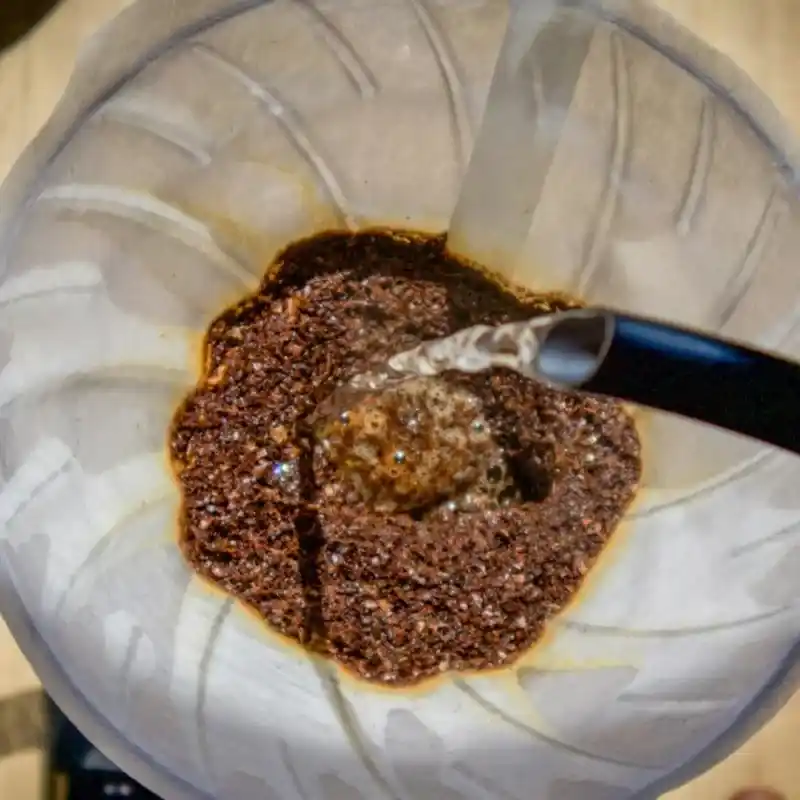
Pourover methods, such as Hario V60 or Chemex, allow for precise control of the water flow rate, temperature, and degree of extraction, and thus better control of the density, purity, and texture of the beverage. Thanks to the flexible settings, even the same type of bean can be developed in different ways, giving different tactile sensations, from transparent and light, with delicate acidity, to voluminous, velvety and rich, with a deep, long aftertaste.

How to recognize a quality coffee body
A high-quality body balances acidity and bitterness, creating a holistic and harmonious perception of the drink. It does not dominate, but delicately supports the flavor profile and adds depth to it. A well-brewed coffee has a balanced texture: smooth and uniform, without graininess or a watery feeling.
Typical shortcomings are viscosity due to excessive extraction or, conversely, a hollow flavor due to insufficient extraction. The harmony between body, taste and aroma determines the quality of coffee: even a dense and rich drink without flavor depth is perceived as heavy and unbalanced.
Barista tips for achieving the perfect body
The grind of the bean has a strong influence on the character of the coffee: for espresso, it is made fine to produce a dense and rich drink, while for French press, it is ground more coarsely to keep the taste mild and not bitter. Water temperature (90-96 °C) helps to properly dissolve aromatic oils and all the necessary ingredients, while the brewing time and the proportions of coffee to water determine how concentrated and bright the drink will be.
Various subtleties and techniques, such as pre-wetting the beans (blooming), even spilling, and controlling the movement of water, make coffee more balanced.
Common mistakes and ways to avoid them
Excessive extraction makes the body heavy and bitter.
Insufficient – causes wateriness.
Improper storage of grain leads to loss of oils and a decrease in texture saturation.
Mistakes in the choice of grind can dramatically change the perception of density.
Conclusion
The body of coffee is one of the main characteristics of the drink, just as important as the aroma or flavor. It depends on the natural properties of the bean, is shaped by the brewing method, and manifests itself through the way we experience its taste and texture. Understanding the nuances allows you to consciously choose the grain and brewing method and more accurately interpret your own tactile sensations.
Beginners are advised to experiment with different methods, varieties, and degrees of roasting, as experience helps to form their own system of taste guidelines.