Black Ivory: the king of the most expensive coffee varieties
Black Ivory Coffee deservedly holds the title of the most expensive coffee in the world. The price? More than 2700 dollars per kilogram. This exclusive drink is produced in Thailand with the help of elephants.
The production is based on the natural fermentation of coffee beans in the elephants’ digestive system. The animals consume arabica beans. For 15-70 hours, the beans undergo a biochemical process. Enzymes and bacteria break down proteins, which reduces the bitterness of the finished drink.
The annual production is extremely limited – only 150 kilograms. One kilogram requires 33 kilograms of fresh berries.
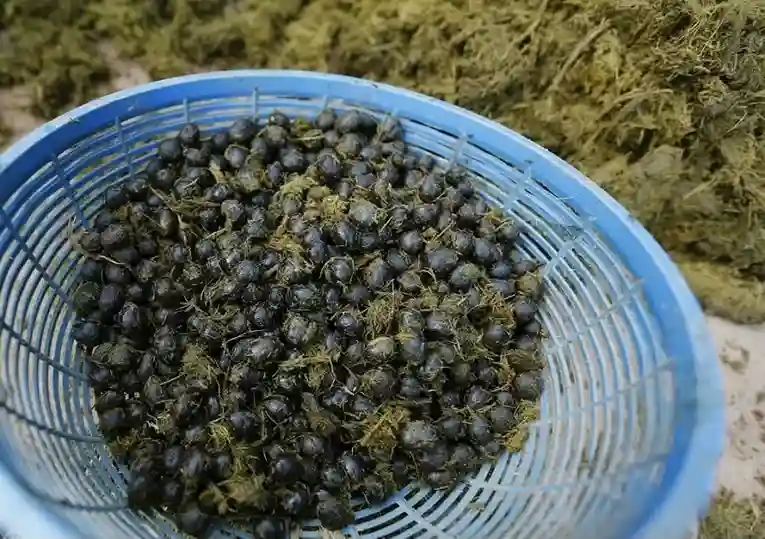
Black Ivory production process
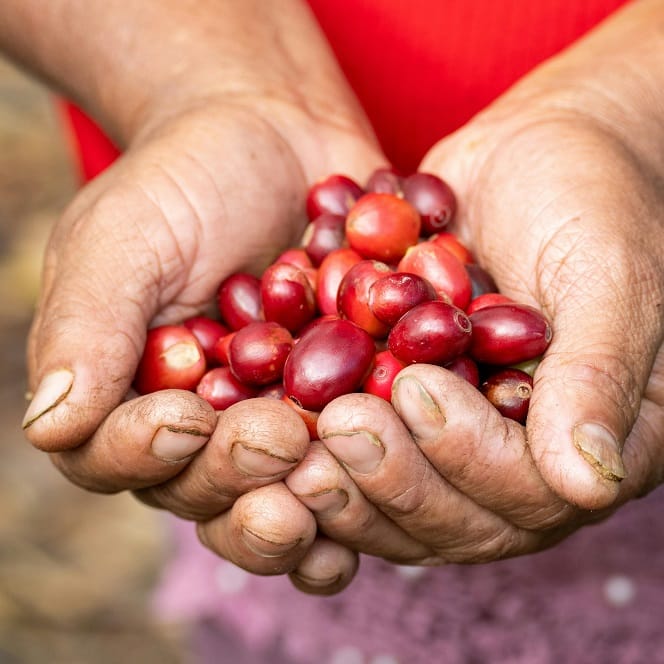
Production begins with the selection of Arabica coffee berries. Elephants consume the berries along with their regular food. In the stomach, fermentation takes place – enzymes break down the shell of the berries.
After passing through the digestive system, the grains are harvested and washed. Then they are dried in the sun. Final processing includes sorting and roasting.
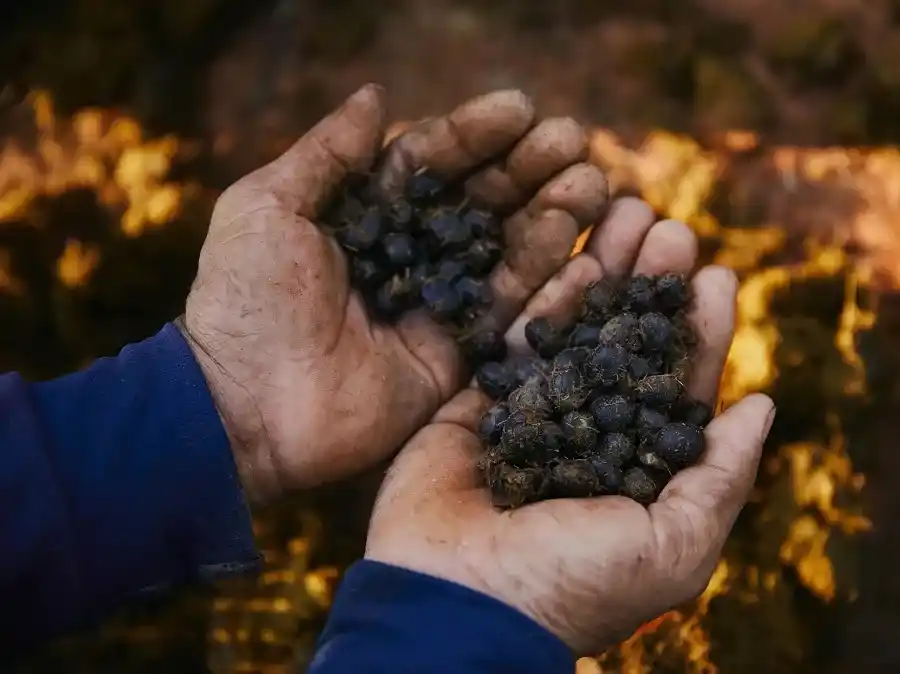
Author: Blake Dinkin – blackivorycoffee. Blake Dinkin – blackivorycoffee, CC BY-SA 4.0, https://commons.wikimedia.org/w/index.php?curid=91509017
Flavor profile and price of Black Ivory
Black Ivory has a mild flavor with notes of chocolate. There is no bitterness. The texture is silky, the aftertaste is long.
| Characteristics | Description |
| Taste. | Chocolate, cinnamon |
| Texture. | Silky |
| Acidity | Moderate |
| Price per kg | $1100-2700 |
Kopi Luwak: a legendary drink with a history
Kopi Luwak has a long history. In the 1830s, the Dutch system prohibited local farmers from harvesting coffee. They found a way out – they collected the beans from the droppings of civets.
The production process is simple. Civets choose the ripest berries. The grains pass through the digestive system. Fermentation takes place there.
Today, Kopi Luwak costs 100-600 dollars per kilogram. But the reputation is complicated by ethical issues.
Wild vs. farmed Kopi Luwak: important differences
Do you know the difference between wild and farmed Kopi Luwak? Wild is produced in nature. The civets are free to choose different berries. The grains are collected from the forest floor.
The farmer’s one involves cages. The civets are fed only coffee. This violates their health. The quality of the coffee is worse.
Up to 80% of the market is unethical. UTZ certifications help you find ethical coffee.
Kopi Luwak’s popularity in the world and tasting locations
Japan is the main market for Kopi Luwak. People there are willing to pay high prices. Indonesia, especially Bali, remains the center of production.
Genuine manufacturers show certificates. The price of an authentic product is high. Cheap offers are fakes.
Panamanian Geisha and other exclusive varieties
Panama Geisha is the pinnacle of animal-free coffee excellence. It originates from Ethiopia. In the 1960s, it came to Panama.
The taste is unique: jasmine, rose, peach. The acidity is bright. The texture is silky. It is grown at an altitude of 1400-1800 meters.
Blue Mountain from Jamaica and coffee from St. Helena are also elite. Panama Geisha reaches $1,000 per pound at auctions.
Geographical and climatic features of growing elite varieties
Climate is important for quality. Temperatures of 15-25°C and sufficient rainfall are required. Altitudes above 1200 meters ensure slow ripening.
- Panama: highlands + volcanic soils
- Jamaica: tropics + ocean currents
- St. Helena: pest-free insulation
Hacienda La Esmeralda and other famous plantations
Hacienda La Esmeralda has become a legend. The Peterson family bought it in the 1960s. In 2004, their Geisha won the competition.
In 2019, their coffee sold for $1029 per pound. Other famous plantations: Finca El Injerto (Guatemala), Fazenda Santa Ines (Brazil).
Why the price is so high
What makes coffee so expensive? Rarity is the main factor. Kopi Luwak: 250-400 tons per year. Black Ivory: even less. Panama Geisha: hundreds of kilograms.
The complexity of production increases the cost. Black Ivory needs elephants. Geographical isolation adds to logistical costs. Manual collection requires labor.
Auctions create competition. The record in 2023 was $6034 per pound of Panama Geisha.
Limited production and impact on market price
Limited production keeps prices high. The global coffee market is 10 million tons. Elite varieties are a drop in the bucket.
Black Ivory: several kilograms per elephant per year. Panama Geisha: limited terroirs. Demand exceeds supply.
The market functions as a luxury segment. Limited availability drives up prices. Wealthy consumers are willing to pay for uniqueness.

Frequently asked questions
What is the most expensive coffee in the world?
Black Ivory Coffee is the most expensive coffee with a price of more than $2,700 per kilogram. It is produced in Thailand with the help of elephants that ferment the beans for 15-70 hours.
Why is Kopi Luwak such an expensive coffee?
Kopi Luwak is expensive because of the unique process with civets, limited production of 250-400 tons per year. Natural fermentation creates a special flavor without bitterness.
How is Black Ivory coffee produced?
Elephants are fed with Arabica coffee berries. The beans are fermented in the stomach for 15-70 hours. Then they are harvested, washed, dried and roasted.
What are the flavor characteristics of the most expensive coffee in the world?
Black Ivory – mild flavor with chocolate. Kopi Luwak – caramel shades. Panama Geisha – floral and citrus notes with bright acidity.
How can I check the authenticity of Kopi Luvak coffee?
Check quality certificates, price (over $300/kg), and the supplier’s reputation. Real coffee has a distinctive flavor without excessive bitterness.
How much does a kilogram of Black Ivory coffee cost?
A kilogram of Black Ivory costs 1100-2700 dollars. At auctions, prices reach $3000. The official retail price is approximately $2500 per kilogram.
What is Panama Geisha and why is it so valued?
Panama Geisha is a variety from Ethiopia, cultivated in Panama at an altitude of 1400-1800 meters. It is appreciated for its floral, fruity notes and silky texture.
Notes: Main photo taken from https://blackivorycoffee.com/