What are alternative ways of making coffee?
All brewing methods without using a classic espresso machine are considered alternative. They are focused on manual control of the process, the ability to customize parameters, and a deeper disclosure of the flavor characteristics of the grain.
Most of these methods predate espresso coffee. However, their modern reinterpretation occurred along with the development of the third wave of coffee, where the emphasis is on the origin of the bean, roasting, and transparency of taste.
The main difference from traditional methods is the lack of high, stable pressure and a reference recipe. Alternative methods allow you to use different grinds of coffee, change the temperature, extraction time, and pouring technique to obtain different flavor profiles.
The main categories of alternative brewing methods
Purover methods
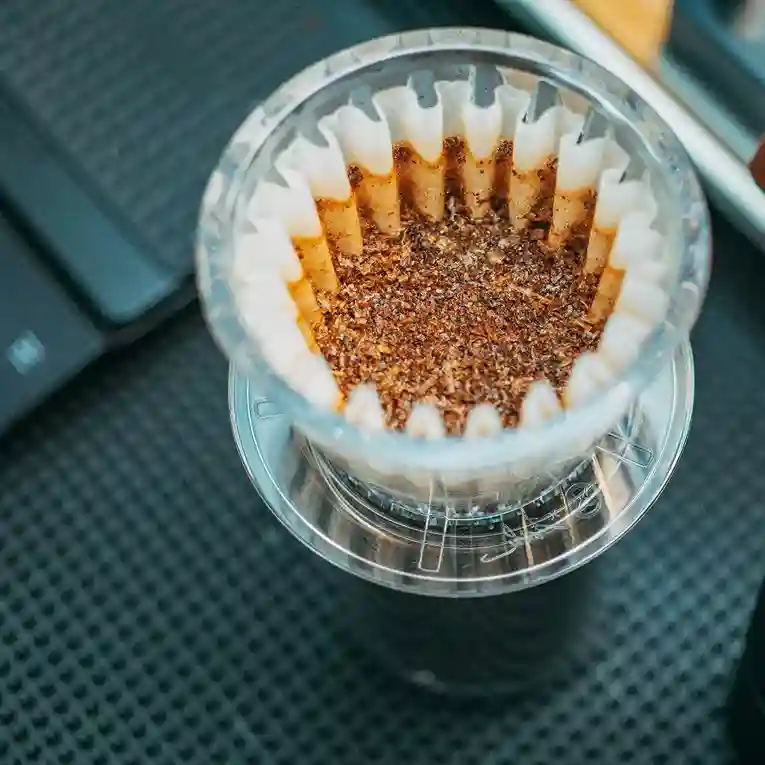
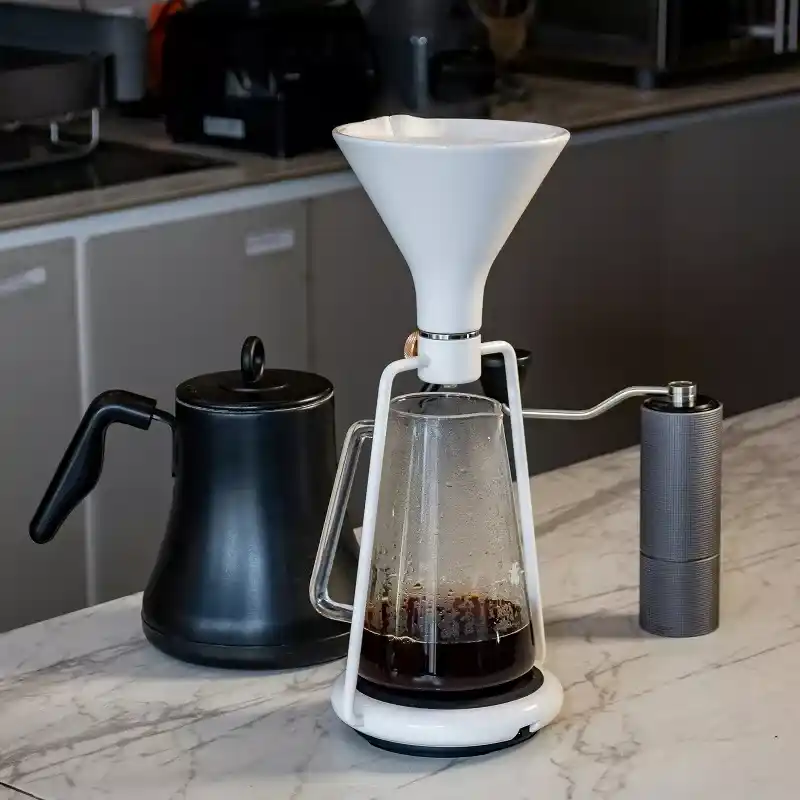
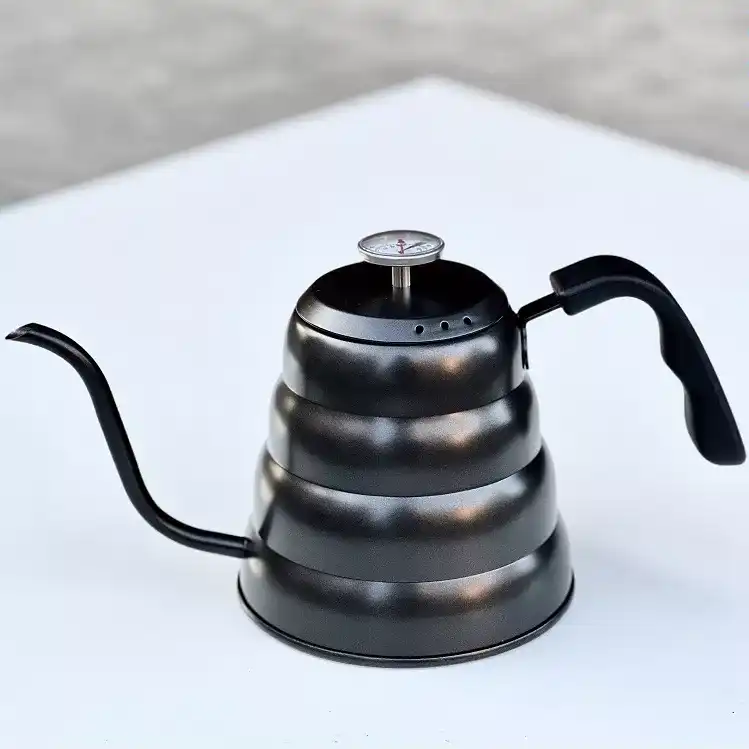
Drip or pour-over methods of coffee preparation involve the passage of water through a layer of ground coffee under the influence of gravity. The rate of extraction is controlled by the grind, the shape of the funnel and the pouring technique.
These methods provide a clean and transparent beverage with pronounced acidity and a flavor profile that clearly reflects the regional characteristics of the grain’s origin.
Immersion methods
Immersion brewing involves the complete immersion of coffee grinds in water. The extraction is controlled by adjusting the duration of water contact with the coffee and the ratio of coffee to water. All coffee particles contact the water equally, resulting in a rich and balanced flavor. The method is suitable for press and kemex, provides a stable result, easy recipe repetition, less dependence on the pouring technique and the ability to experiment with grinding.
Pressure coffee brewing methods
These methods use mechanical or air pressure for rapid extraction. Compression extracts more solubles in a shorter time, resulting in a rich, full-bodied coffee with a distinctive texture. Espresso machines and aeropresses work on this principle, allowing you to control the strength, temperature, aroma, and richness of the drink, ensuring consistency and repeatability of the result.
Popular devices for manual brewing
Kemex
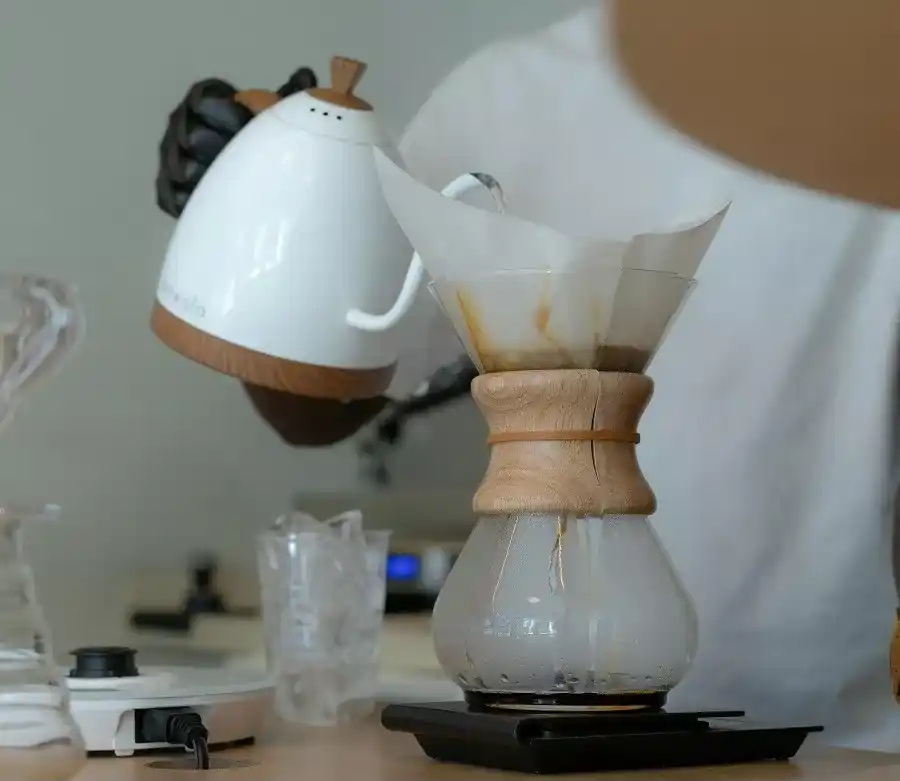
Chemex is a glass filter coffee device that combines aesthetics and functionality. Thick paper filters trap oils and fine particles, creating a clean and light coffee. In the cup, the result is delicate, with a distinct emphasis on sweetness and flavor.
Hario V60
The Hario V60 is a conical funnel with spiral ribs that ensure that water flows evenly through the grind. The angle of inclination and pouring technique directly affect the extraction, allowing for both bright acidic and more rounded flavor profiles.
Aeropress
The AeroPress uses a piston and air pressure to combine immersion and light compression. Direct and reverse brewing methods allow for a wide range of flavors. The device is appreciated for its versatility, speed of brewing and portability, making it convenient for home use and travel.
Kalita
The Kalita Wave has a flat bottom and special wavy filters that ensure even water flow and stable extraction. Unlike conical pourers, the Kalita is less sensitive to pouring technique, making the result more predictable and easy to repeat.
French press
French is a classic immersion brewing method with a metal filter. The metal mesh allows the coffee oils to pass through, creating a coffee with a dense body and rich texture. Due to the prolonged contact of water with coffee, the drink is dense, aromatic and well-balanced, with rounded flavor notes.
Traditional methods of manual brewing
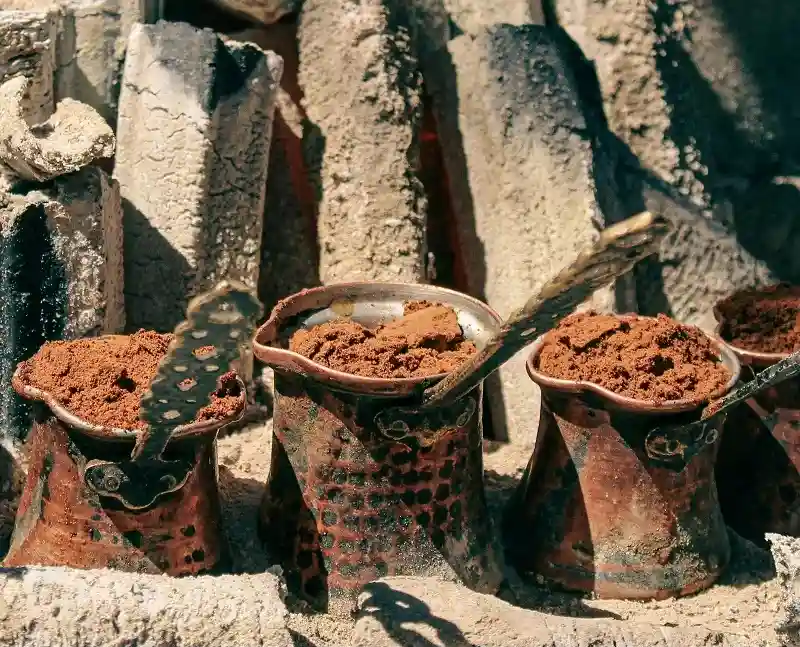
Coffee in a Turk
Brewing in a Turk, or jezve, is one of the oldest methods of brewing coffee. The process takes place without filtration, which allows you to get a thick, rich drink with an intense aroma and a mild aftertaste. This method has a deep cultural significance, preserving the traditions and rituals of coffee ceremonies, and remains popular in the modern world due to its unique taste and special coffee brewing atmosphere.
Wet sweat
Moka Pot is an Italian geyser coffee maker that uses steam pressure to brew bean coffee. The coffee is close to espresso in strength, but has its own mild and recognizable flavor profile. Its compact size and ease of use make it convenient for home use.
Comparison of alternative brewing methods with espresso
Alternative methods reveal subtle flavor nuances, emphasize the aroma and lightness of the drink, focusing on the delicate balance of shades. While espresso coffee offers an intense, quick sensory experience, the pourover, French press and aeropress allow you to feel every flavor note.

Choosing a brewing method for different situations
The choice depends on taste preferences, time, available equipment, and experience. For beginners, Kalita or French Press is the way to go, and alternating between different methods in your daily practice allows you to adapt to your mood and circumstances.
The art of making coffee
The skill of alternative brewing is based on an understanding of grinding, precise control of temperature and extraction time. The most common mistakes are uneven pouring and incorrect coffee to water ratio.
The path from beginner to expert is through constant practice, careful analysis of results, and continuous improvement of technique.