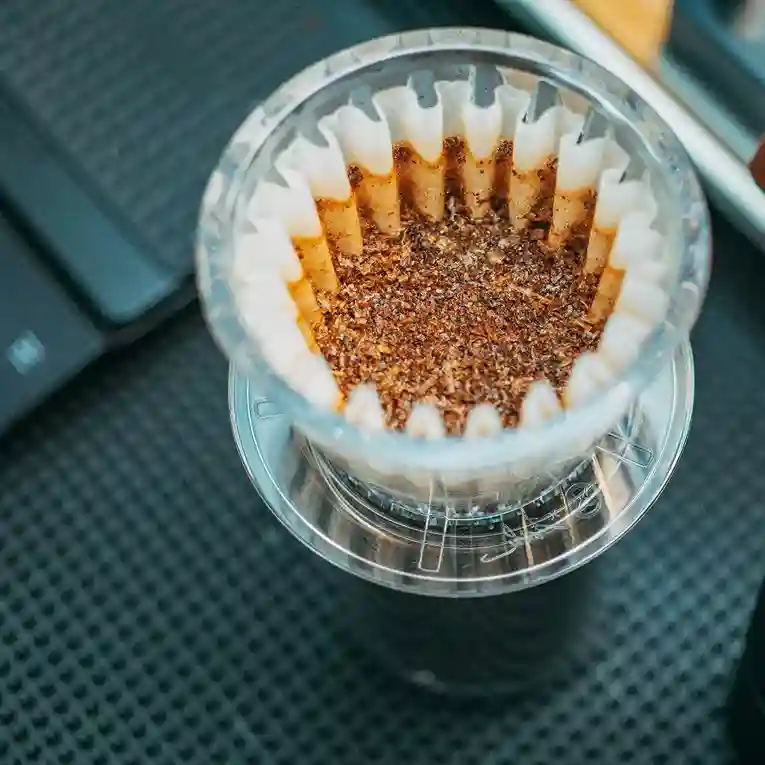
Health benefits of coffee
Coffee contains a powerful arsenal of antioxidants, including chlorogenic acids, polyphenols, and flavonoids. These substances actively fight oxidative stress in the body. Scientific studies confirm that regular coffee consumption reduces the risk of developing cardiovascular disease by 13-36%.
Antioxidants in coffee protect cells from free radical damage. They reduce inflammation. Studies show that coffee can reduce the risk of developing type 2 diabetes by improving insulin sensitivity.
And what about neurodegenerative diseases? The results are impressive. Regular consumption of the drink can reduce the risk of developing Alzheimer’s and Parkinson’s disease. Even cappuccino retains a significant portion of beneficial antioxidants, although milk slightly reduces their concentration.
Antioxidants and other nutrients in coffee
Coffee is a real treasure trove of biologically active compounds. Chlorogenic acid makes up up to 12% of the dry weight of the beans. It is one of the most powerful natural antioxidants that not only neutralizes free radicals but also improves glucose metabolism.
Caffeine stimulates the central nervous system. Improves concentration of attention. Increases physical endurance. But this is not its only function – caffeine also has antioxidant properties and stimulates the production of neurotransmitters.
Polyphenols reduce inflammation in the body and support cardiovascular health. Melanoidins are formed during roasting. They give coffee its characteristic flavor and aroma and have prebiotic properties.
| Useful substance | Content in coffee | The main benefit |
| Chlorogenic acid | Up to 12% dry weight | Antioxidant effect, glucose regulation |
| Caffeine | 80-100 mg per cup | Stimulation of the central nervous system, improvement of concentration |
| Polyphenols | 200-550 mg per cup | Anti-inflammatory effect |
| Melanoidins | Depends on the roast | Prebiotic effect |
What is healthier: coffee with or without caffeine
Decaffeinated coffee retains most of its antioxidants. Modern decaffeination methods remove up to 97% of caffeine while preserving the taste and health benefits. Chlorogenic acid and polyphenols remain almost completely intact.
Caffeine has both benefits and potential risks. Does it improve your mood? Yes, it does. Can it reduce the risk of depression? Research confirms this. But excessive consumption increases anxiety and disrupts sleep.
Decaffeinated coffee is the best choice for people with cardiovascular disease or sleep problems. Enjoy the taste of your favorite drink without the stimulating effects of caffeine.
| Parameter. | Coffee with caffeine | Decaffeinated coffee |
| Antioxidants | High level | 90-95% saved |
| Effect on sleep | May violate | Safe |
| Cardiovascular system | Moderate stimulating effect | Safe for hypertensive patients |
The healthiest methods of making coffee
The chemical composition of coffee varies depending on the brewing method. Different brewing techniques extract nutrients from the ground beans in different ways. The concentration of antioxidants, caffeine, and potentially harmful compounds in the finished drink varies significantly.
Espresso and filter coffee represent two main approaches. Each has unique health benefits. French press and pourover as alternative methods also have their own characteristics.
- Filter coffee (drip) is the best for heart health
- Espresso – optimal for the brain and concentration
- Cold Brew – ideal for weight loss
- French press – rich in antioxidants, but contains cafestol
- Purover – a balanced profile of nutrients

Filter coffee: why it is the best for the heart
Filter coffee is deservedly considered the most beneficial for heart health. The paper filter retains harmful substances such as caffeol and caffeoyl. These diterpenes are naturally found in coffee beans and can increase cholesterol levels by 0.41-0.58 mmol/l.
The paper filter retains more than 90% of these substances. This makes filter coffee safe for people with high cholesterol. Studies show that switching from unfiltered to filtered coffee reduces the risk of cardiovascular events by 13% over 5 years.
Filtration preserves all the beneficial antioxidants while removing potentially harmful fatty acids. The heart benefits from an optimal balance of nutrients without the risk of high cholesterol.
Espresso: benefits for the brain and cognitive function
Espresso offers unique benefits for brain health. The high concentration of biologically active compounds in a small volume of the drink makes it particularly effective. Regular consumption improves attention, working memory and executive functions.
Caffeine, genistein, and chlorogenic acids in espresso inhibit the aggregation of tau protein. This is a key factor in the development of Alzheimer’s disease. Laboratory studies confirm that these substances bind to tau fibrils and reduce their toxicity.
The optimal dose of caffeine in espresso (60-80 mg per serving) stimulates neurotransmitters without overloading the nervous system. Regular consumption can reduce the risk of developing neurodegenerative diseases by 20-30%.
Cold brew (cold brew): the best for weight loss
Cold brew is distinguished by a special cold brewing process. It retains a maximum of biologically active components with minimal acidity. This method is especially useful for weight control.
The metabolism is accelerated by the high concentration of chlorogenic acid. Cold extraction of coffee allows for up to 67% more of this beneficial substance to be extracted compared to hot methods. Chlorogenic acid stimulates lipolysis, the process of breaking down fats.
The lower acidity (60-70% less acids) makes the drink softer on the stomach. But the most important thing is to avoid adding sugar. Even one teaspoon adds 16 calories and offsets the weight loss benefits.
- Grind 100 g of coarse coffee beans
- Mix with 1 liter of cold filtered water
- Insist 12-24 hours at room temperature
- Strain through a fine sieve or filter
- Store in the refrigerator for up to 2 weeks
- Dilute with water or ice to taste
Instant coffee: benefits and potential risks
Instant coffee is often underestimated. But it contains a significant amount of antioxidants – sometimes even more than freshly brewed coffee. Industrial processing concentrates phenolic compounds and melanoids. The antioxidant activity of instant coffee is 20 times higher than that of blueberries.
Rapid drying and freezing of the extract preserves antioxidants. The content of phenolic compounds can reach 117.2 mg per gram. This is higher than many freshly roasted grains. Melanoidins have prebiotic properties and support intestinal health.
There is a potential risk of increased acrylamide content. This substance is formed during high-temperature processing. But experts consider the risk to be minimal due to low consumption doses.
| Parameter. | Instant coffee | Freshly brewed coffee |
| Antioxidants | 117.2 mg/g of phenols | 80-120 mg/g |
| Acrylamide | Increased content | Lower content |
| Convenience. | Maximum | It takes time |
Does the type of coffee bean matter?
Different types of coffee beans differ significantly in their chemical composition. Arabica and Robusta are the two main commercial types. They have radically different nutrient profiles.
Arabica contains less caffeine (0.8-1.4%) compared to Robusta (1.7-4%). This makes it gentler on the nervous system. At the same time, Arabica is richer in antioxidants, especially chlorogenic acids.
The caffeine content in Robusta is almost twice as high. For some, this is an advantage – a stronger stimulating effect. For others, it is a risk of side effects: anxiety, insomnia, and high blood pressure.
| Type of grain | Caffeine content | Antioxidants | Features. |
| Arabica | 0,8-1,4% | High | Mild effect, rich in polyphenols |
| Robusta | 1,7-4% | Moderate | Strong stimulating effect |
How additives affect the benefits of coffee
Milk and sugar dramatically change the health effects of coffee. Sugar adds 16 calories per teaspoon. It dramatically increases the glycemic index. If consumed regularly, it can contribute to the development of insulin resistance.
Milk contributes saturated fat. One cup of coffee with 50 ml of 3.2% milk adds 30 calories and 1.6 g of saturated fat. In people with lactose intolerance, this can increase inflammation.
The calorie content of coffee drinks in cafes often reaches 200-500 calories. Syrups, cream, and sugar have a significant impact on daily calories. Heart disease can be aggravated by excessive consumption of saturated fats.
- Sugar – dramatically increases calories and glycemic index
- Milk – adds saturated fat, can cause inflammation
- Cream is the highest in calories, high in saturated fat
- Syrups – maximum amount of sugar and artificial additives
- Honey is a natural sweetener with antioxidants
- Spices – add antioxidants without calories
Healthy alternatives to traditional supplements
Vegetable milk is becoming a more popular alternative. Almond milk contains only 20-40 calories per cup. Cow’s milk contains 80-150 calories. The difference is tangible!
Cinnamon doesn’t just add flavor. One teaspoon contains as much antioxidants as half a cup of blueberries. Helps regulate blood sugar levels.
Cardamom is traditionally used in Arabic coffee. It has anti-inflammatory properties and improves digestion. It makes coffee not only tastier, but also healthier.
3 recipes for healthy coffee drinks
Coffee with cinnamon and almond milk:
- 200 ml of freshly brewed coffee
- 50 ml of almond milk
- 1/2 tsp. ground cinnamon
- A pinch of vanilla (optional)
Cardamom coffee:
- 200 ml of coffee
- 2-3 boxes of cardamom (grind)
- 1 tsp of honey
- Brew cardamom with coffee
Protein coffee for weight loss:
- 200 ml Cold Brew
- 1 tbsp of coconut milk
- 1/2 tsp. cinnamon
- A drop of stevia (if necessary)
How to make your coffee as healthy as possible
The choice of coffee beans lays the foundation for a healthy drink. Choose premium Arabica beans from organic plantations. Freshly roasted beans (no older than 2-4 weeks) retain the maximum amount of nutrients.
The degree of roasting affects the chemical composition of coffee. Light and medium roasts retain more chlorogenic acids. Dark roasting increases the content of melanoidins, but reduces the amount of some beneficial compounds.
Choose the brewing methods according to your goals. To protect the heart – filter coffee. To improve cognitive function – espresso. For weight loss – Cold Brew.
Circadian rhythms determine the optimal time for consumption. Avoid coffee immediately after waking up (7:00-9:30), when cortisol levels are naturally high. The best time is 9:30-11:00 am and in the afternoon until 2:00 pm.
- Choose freshly roasted arabica of organic origin
- Use filtered water at 90-95°C
- Observe the ratio of 1:15-1:17 (coffee:water)
- Grind the beans just before brewing
- Drink coffee between 9:30-11:00 and 13:00-15:00
- Avoid sugar and fatty additives
- Drink water to keep hydrated
The best time to drink coffee
The body’s circadian rhythms determine natural fluctuations in cortisol levels. The highest peak is 7:00-9:30 am. The body naturally wakes up. Drinking coffee at this time can increase cortisol levels excessively.
The optimal time for the first cup is 9:30-11:00 am. Cortisol levels begin to decline. Caffeine is the most effective in increasing alertness without overloading the hormonal system.
Sleep can be disturbed when drinking coffee after 14:00-15:00. Caffeine blocks adenosine receptors. It delays the production of melatonin for 2-3 hours.
The perfect schedule for drinking coffee throughout the day
- 7:00-9:30 – Avoid coffee (cortisol peak)
- 9:30-11:00 – First cup (optimal time)
- 13:00-15:00 – Second cup (energy support)
- After 15:00 – Avoid coffee (sleep protection)
How much coffee per day is considered healthy
Caffeine at a dose of 300-400 mg per day is recognized as safe for healthy adults. This is 3-4 cups of filter coffee or 4-5 cups of espresso daily.
The daily allowance varies depending on individual sensitivity. People with a fast caffeine metabolism can tolerate higher doses. “Slow metabolizers” feel effects even from small amounts.
Pregnant women should limit their consumption to 200-300 mg per day. This is 2-3 cups of weak coffee. People with cardiovascular disease should consult a doctor.
| Population group | Recommended rate | Equivalent in cups |
| Healthy adults | 300-400 mg/day | 3-4 cups of filter coffee |
| Pregnant women | Up to 300 mg/day | 2-3 cups of weak coffee |
| People 65+ | 200-300 mg/day | 2-3 cups |
Conclusions.
Coffee can be a powerful tool for maintaining health. But only with the right approach. The benefits depend on the type of beans, the method of preparation, the time of consumption, and individual characteristics.
A personalized approach tailored to your specific goals. For heart protection – filter coffee. To improve cognitive function – espresso. For weight loss – Cold Brew without additives.
Individual needs determine the optimal amount and time of consumption. Some people safely drink 4 cups a day. For others, one in the morning is enough. Listen to your body’s signals.
The balance between health and pleasure is a key principle. Don’t sacrifice flavor for health benefits or vice versa. The best coffee is the one that you drink with pleasure, following the principles of healthy eating.
A healthy lifestyle includes coffee as one of its components. Regular physical activity, a balanced diet, and adequate sleep remain the foundation. Coffee is a healthy addition to this foundation.
Frequently asked questions
Which coffee is the most beneficial for health in general?
Lightly roasted organic Arabica filter coffee. The paper filter removes harmful diterpenes while retaining antioxidants. Consume 2-3 cups a day between 9:30-15:00 without sugar.
What are the differences between different methods of coffee preparation in terms of health benefits?
Filter coffee is the best for the heart (removes cafestol). Espresso is for the brain (high concentrations of antioxidants). Cold brew is for weight loss (low acidity). French press contains more caffeine.
Which coffee is best for heart health?
Filter coffee through a paper filter. It retains more than 90% of caffeine and caffeol. Switching to filter coffee reduces the risk of cardiovascular disease by 13-36%.
Which coffee is best for brain health?
Espresso is optimal for the brain. The high concentration of caffeine and biologically active compounds improves concentration and memory. It may protect against Alzheimer’s disease. The optimal amount is 1-2 servings per day.
How much coffee can you safely drink every day?
For healthy adults – 300-400 mg of caffeine (3-4 cups). Pregnant women – up to 300 mg. People with heart problems – individually. Do not drink coffee after 15:00 to maintain sleep.