A microlot is a small batch of beans from a specific farm or even a single plot of land that is distinguished by exceptional quality and unique characteristics. This is the pinnacle of specialty coffee, where each bean is carefully selected and processed to the highest standards.
Unlike commercial coffee, microlots have full traceability of origin. You know not only the country, but also the specific farm, altitude, and processing method. This is a premium coffee that is rated by Q-graders on the SCA scale and scores more than 80 points out of 100.
Each microlot has its own unique flavor profile. From tropical fruit notes to floral aromas. This is the result of a combination of terroir, farmer’s skill and innovative processing methods. Such lots are usually limited to a few bags, which makes them especially valuable for coffee connoisseurs.
Defining microlot in the world of specialty coffee
Microlot coffee is a well-defined category in the specialty coffee industry with specific quality criteria. According to SCA standards, such batches must score a minimum of 80 points out of 100 on a professional evaluation scale.
A Q-grader (a certified SCA expert) evaluates each microlot according to seven main criteria: aroma, taste, acidity, body, balance, sweetness, and aftertaste. This is a detailed coffee cupping procedure that determines the true quality of the beans.
The key characteristics of a true microlot include limited volume (usually 5 to 50 bags), specific origin (one farm, often a single plot), full traceability, high SCA scores, and unique flavor profile characteristics.
Geographical distribution and availability of microlots
Microlots are produced in all major coffee growing regions of the world. Ethiopia is famous for its microlots from the Yirgacheffe and Guji regions with bright floral notes. Kenya offers an exceptional product from Nyeri and Kirinyaga with a characteristic blackcurrant acidity.
Latin America is represented by Colombian microlots from Huila, Panamanian Geisha and Costa Rican lots from Tarraz. Brazil produces unique microlots from the Serra do Cabral region, and Indonesia is famous for its Sumatran lots with a distinctive earthy profile.
The availability of microlots depends on the region and the harvest season. Most quality lots are distributed through specialized importers and roasters of specialty coffee. The demand for microlots is constantly growing, despite rising prices.
How microlot differs from commercial coffee
Microlot coffee is fundamentally different from commercial coffee in all key production and quality parameters. The most important difference is in origin and traceability. A microlot always has a specific address: a farm, a plot, sometimes even individual trees, while commercial coffee is usually a blend of beans from different regions.
The quality of the grain in microlots is much higher due to manual harvesting and careful sorting. Farmers pick only fully ripened berries, discarding unripe or damaged ones. Commercial coffee is often harvested mechanically, which leads to defective beans.
The flavor profile of microlot is unique and complex. From raspberry notes to jasmine aromas. Commercial coffee has a simpler, standardized taste without any distinctive features. Coffee processing methods in microlots are often experimental: anaerobic fermentation, honey processing, adding fruit during fermentation.
| Criterion. | Microlot | Commercial coffee |
| Origin. | Specific farm/plot | A mixture of different regions |
| Production volume | 5-50 bags | Thousands of tons |
| Collection | Manual, selective | Mechanical, massive |
| Processing | Experimental methods | Standard finish |
| Price | Significantly higher | Available |
Unique characteristics of microlots
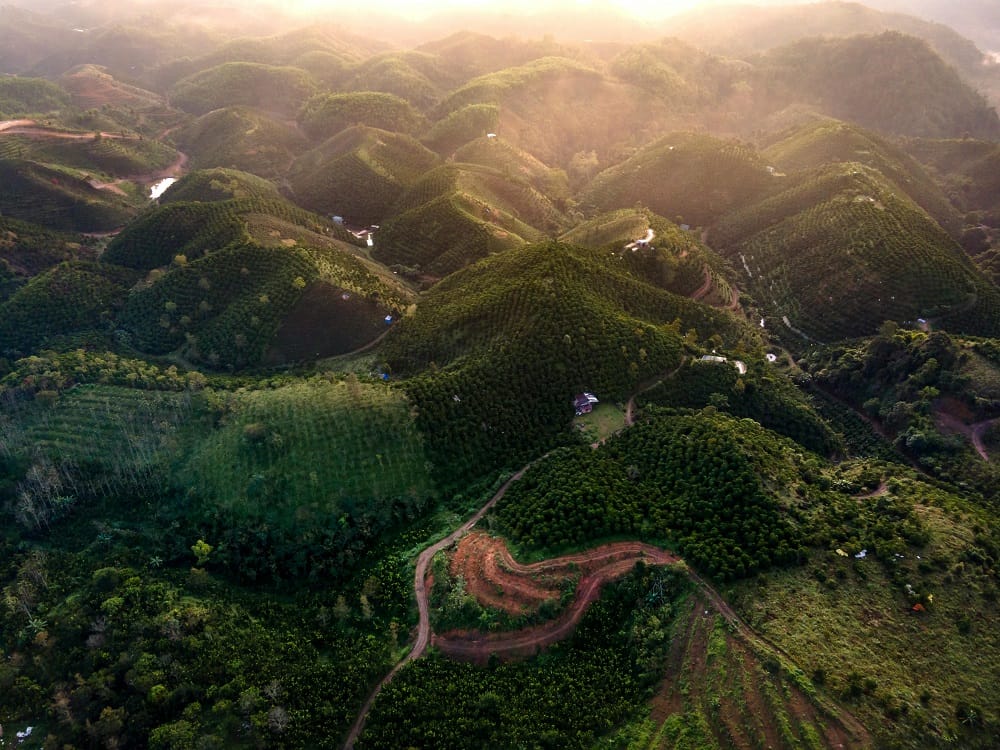
Microlots of coffee have five key characteristics that make them exceptional in the world of specialty coffee. Traceability is the most important feature, allowing you to trace the path from a specific tree to a cup. Limited production creates exclusivity and value for collectors.
Factors affecting the taste of microlot
The flavor profile of microlot is formed through a complex interaction of natural and human factors. The height of cultivation is an important element that determines the density of the grain and the development of flavor compounds. At altitudes above 1200 meters, grains ripen more slowly, accumulating more sugars and acids.
Coffee growing regions create a unique terroir through a combination of climate, soil and microclimate. The volcanic soils of Guatemala give microlots mineral notes. The high altitude areas of Ethiopia create bright floral profiles.
Arabica is the main variety for microlots, but different varieties (Geisha, Bourbon, Typica) have unique genetic characteristics. Geisha is famous for its jasmine aromas, Bourbon for its sweetness, and Typica for its balanced profile.
Coffee processing methods dramatically change the flavor profile. Washed processing emphasizes clean, bright notes. Natural adds fruitiness. Honey creates a complex balance of sweetness and acidity. Experimental coffee processing techniques, such as anaerobic fermentation, can create entirely new flavor categories.
Examples of outstanding microlots in the world
Monteblanco Farm in Colombia’s Uila region is a prime example of an innovative approach to microlot production. Rodrigo Sánchez Valencia and Claudia Samboni have created unique batches with tropical fruit notes through experimental fruit fermentation. Their Purple Caturra coffee with notes of passion fruit and kumquat has become a legend among connoisseurs.
Panama Geisha from La Esmeralda farm is the most expensive coffee in the world, selling at auctions for record prices. This microlot has a unique jasmine aroma and tea-like lightness of body. The cultivation altitude of 1500-1700 meters and the unique microclimate of Boquete create ideal conditions for this variety.
The Ethiopian microlot from the Yirgacheffe region demonstrates the classic characteristics of the coffee’s homeland. The natural processing gives bright berry notes, and the altitude of over 2000 meters ensures exceptional acidity and complexity.
Microlot creation process: from farm to cup
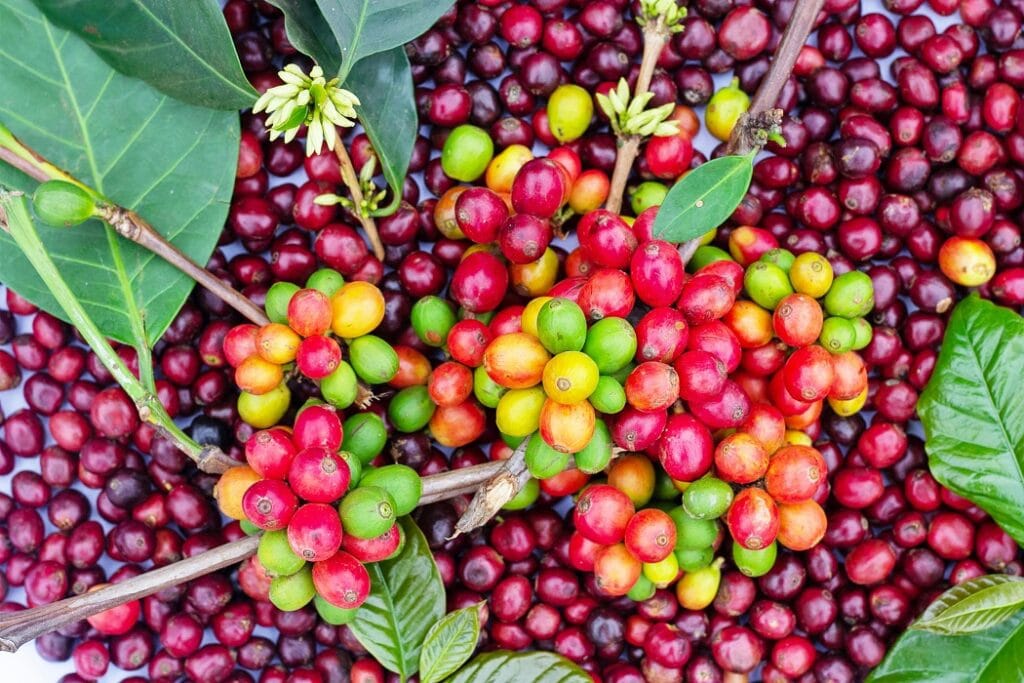
The creation of a microlot is a careful process that begins with the selection of the best coffee trees. The coffee farmer identifies areas with unique characteristics: a special microclimate, soil, or coffee variety. It can be a single terrace on a hillside or a group of trees with exceptional yields.
Innovative processing and fermentation methods
Anaerobic fermentation has revolutionized the creation of microlots, allowing farmers to create entirely new flavor profiles. This method involves the fermentation of coffee berries without oxygen in sealed tanks for 24-120 hours. Without oxygen, specific bacteria and yeast develop, producing esters and alcohols.
The result of anaerobic fermentation includes intense fruity notes (tropical fruits, berries, stone fruits), wine tones and floral aromas. The grains absorb these compounds, creating a syrupy texture and increased sweetness. The complex acidity is reminiscent of lactic or wine, and the bitterness is significantly reduced.
Experimental approaches include adding fruit during fermentation. Farmers add passion fruit, pineapple, or other fruits to fermentation tanks to create unique flavor combinations. These fruits influence microbial activity and provide additional flavor compounds.

The role of the farmer in growing microlots
The farmer is the central figure in the creation of outstanding microlots, whose expertise and innovation directly affect grain quality. Successful microlot producers combine many years of experience with a willingness to experiment and implement new techniques.
Family coffee farms often have the advantage of passing on knowledge through generations. Farmers know the characteristics of each plot, the optimal harvest time for different varieties, and the intricacies of the local microclimate. This knowledge allows them to make precise decisions about processing and fermentation methods.
- Deep knowledge of the terroir: understanding the unique characteristics of each site
- Ready to experiment: testing new processing methods and varieties
- Attention to detail: controlling every stage from harvesting to drying
- Market focus: understanding customer needs and trends
Risks and challenges in microlot production
The production of microlots is associated with significant risks that can destroy a farmer’s year-round labor. Weather conditions are the biggest threat: unexpected rains during drying can lead to mold, and drought can lead to premature ripening of berries.
Coffee diseases, especially coffee rust (roya), can wipe out entire plantations in a matter of weeks. Microlots are often grown at high altitudes, where plants are more vulnerable to temperature fluctuations and diseases. Pests like the coffee beetle also pose a serious threat to the quality of the crop.
How to choose and taste microlots correctly
Choosing a quality microlot requires an understanding of the key indicators of quality and authenticity. A genuine microlot always has detailed information about its origin: farm name, region, elevation, processing method, and roasting date.
Optimal brewing methods for microlots
Each microlot requires an individual approach to brewing, depending on the processing method and flavor profile. Naturally processed microlots with bright fruity notes are best revealed through pour-over methods: V60, Chemex or Kalita Wave. These methods emphasize the purity of the flavor and allow you to control the extraction rate.
Washed microlots with bright acidity are ideal for the AeroPress, which creates a clean, balanced profile without excessive bitterness. A water temperature of 90-94°C is optimal for most microlots, but experimental treatments may require lower temperatures (85-88°C) to preserve delicate flavors.
Honey-treated microlots with increased sweetness work well in French press or Cold Brew. Long extraction allows for the full development of complex sugary notes and a rich body. Specialty coffee brewing requires precision and experimentation.
Why microlots are more expensive
The high price of microlots is due to several objective factors that distinguish their production from mass coffee. Limited production volume is the main reason for the premium pricing. When a farm produces only 10-20 bags of unique coffee instead of hundreds of bags of standard coffee, fixed costs are spread over a smaller number of products.
The labor intensity of production is much higher due to manual picking, selective sorting and special processing methods. The farmer can pick only fully ripe berries, which requires several passes through the plantation instead of a single mechanical harvest.
Fair compensation for farmers is an important factor in pricing. Microlot producers receive 2-5 times more for their coffee compared to commercial prices, which motivates them to invest in quality and innovation.
Conclusion
Microlots of coffee represent the pinnacle of coffee art, combining tradition, innovation and passion for quality. They have changed the perception of coffee from a simple drink to a complex gastronomic product with unique characteristics and history.
These unique batches contribute to the development of coffee culture by teaching consumers to distinguish subtle flavors and appreciate the work of farmers. Specialty coffee through microlots creates a direct link between producer and consumer, ensuring fair compensation and stimulating innovation.
The future of microlots looks promising thanks to the growing demand for quality coffee and consumers’ willingness to pay for uniqueness. Climate change poses challenges, but it also stimulates the development of sustainable varieties and innovative cultivation methods.
Frequently asked questions
How does coffee microlot differ from other coffee?
Microlot has full traceability of origin, limited production, manual harvesting and sorting, experimental processing methods, a unique flavor profile, and a significantly higher price compared to commercial coffee.
Why are microlots more expensive?
The high price is due to the limited production volume, labor-intensive harvesting and processing methods, fair compensation for farmers, batch exclusivity, and high production risks of experimental methods.
What brewing methods is this type of coffee suitable for?
Microlots are best revealed through alternative methods: V60, Chemex, AeroPress, Kalita Wave. The choice depends on the processing method. Washed varieties are suitable for pourover, natural varieties for cold brew and French press.
How to distinguish a real microlot from a marketing name?
A genuine microlot has detailed information about the farm, height of cultivation, processing method, date of harvest, and Q-grader scores. The absence of this data or general wording may indicate a marketing trick.
How much coffee is usually produced in one microlot?
A typical microlot is 5-50 bags (300-3000 kg of green coffee). The most exclusive lots may be as small as 1-2 bags, especially experimental treatments or rare varieties from individual farm sites.